The Power of Now: A Guide to Spiritual Enlightenment
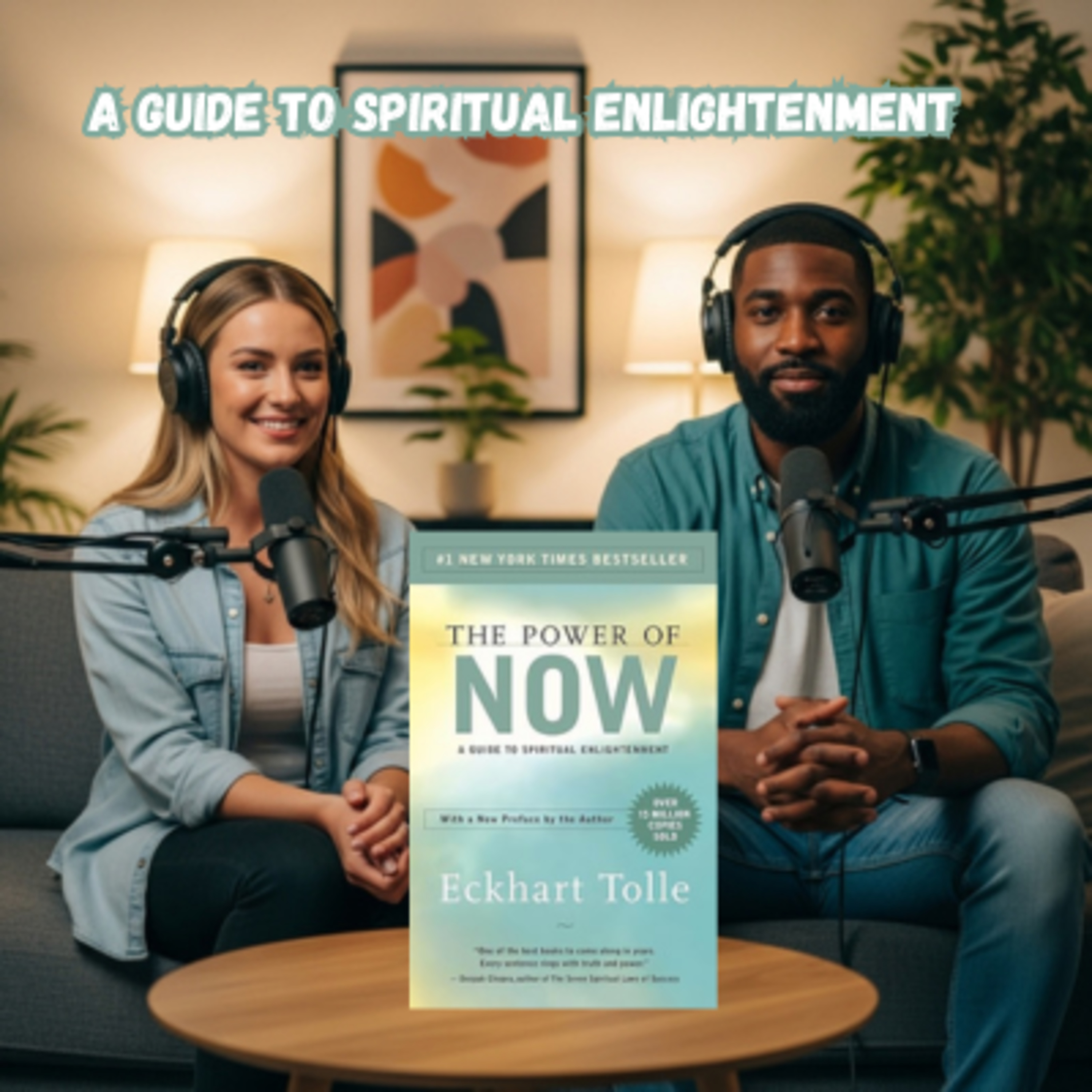
In this episode, we explore The Power of Now by Eckhart Tolle, one of the most influential spiritual books of our time. With over 16 million copies sold worldwide, this modern classic challenges us to rethink our relationship with the mind, time, and suffering. Tolle explains how constant identification with past regrets and future anxieties creates pain, and how true peace can only be found by fully inhabiting the present moment. Through practical insights and spiritual clarity, the book guides listeners toward awareness, inner stillness, and a deeper connection to their true self beyond thought. This episode is an invitation to slow down, awaken consciousness, and rediscover the power of living fully in the Now.
the power of now, eckhart tolle, spirituality, mindfulness, presence, enlightenment, personal growth, self awareness, inner peace, consciousness, meditation, mental clarity, spiritual awakening, self development, living in the moment, healing, emotional well being
Hey everyone and welcome back for another deep dive this time. Well, you guys sent in some Eckhart Tolle, the Power of Now stuff, and I thought it'd be cool to untax some of that. Yeah, it's pretty deep stuff. For sure. Yeah. So it seems like you're ready to like, escape the tyranny of your own mind and maybe even like, find some peace in the present moment. That's the goal, right? I mean, that's what tolleys all about. You know, like how to break free from that constant mental chatter and actually start living more fully in the now.
It's so easy to get caught up in our heads. Though, right? Absolutely. And it's like Tolley's whole premise is that we are not our minds. OK, but how do we even begin to separate ourselves from those thoughts that just seem to take over? Well, he has this really interesting analogy. He talks about being stuck in traffic, right? Oh. Yeah, I can relate to that. Most people like their immediate reaction is total stress, right? Like I'm going to be late or this is ruining my whole day. It's like that instant mental freak out.
Oh yeah, the mental hamster wheel starts spinning and it's off to the races, right? But Tolley suggests that instead of getting swept up in that frenzy, we simply observe those thoughts. Observe them. Like just watch them go by. Exactly like without judgement, just noticing them arise and pass. Interesting. So it's not about trying to stop the thoughts or argue with them, it's more about creating some distance. Exactly. You're creating that space between you, the observer, and the thoughts themselves, and when you do that, they start to lose their power over you instead of automatically reacting.
You have a choice. OK, I can see how that might help with those everyday annoyances. You know, like when you spill your coffee or miss the bus. But what about the bigger stuff? Yeah, the stuff that really causes pain, well, that leads us to another key concept, which is what Tolley calls consciousness the way out of pain. OK, consciousness. How does that help with pain? Well, it's about acceptance. He's not saying to ignore or pretend that negative stuff doesn't exist. It's more about shifting your perspective to 1 of acceptance.
So not giving up or resigning yourself to a bad situation, but acknowledging the reality of it without adding a layer of resistance. You got it. And he makes a really important distinction between acceptance and resignation. Yeah, there's definitely a difference there. It's not about saying, well, this is just how it is. I can't do anything about it. It's more about saying OK, this is happening and I'm going to choose how I respond to it. I like that. So it's about taking back your power in a way, but how do you actually do that?
Like can you give an example? Sure. Let's say someone at work really insults you, right? Yeah, I've been there. Your immediate reaction might be anger, defensiveness, hurt, you know. Yeah, wanting to fire back a snappy comeback. Totally. But if you can practice acceptance in that moment, it's like hitting pause on that automatic reaction. And then what? You acknowledge the insult without immediately labeling the person or letting your emotions spiral out of control. And then that space, that pause, opens up the possibility of a more measured and thoughtful response.
Oh I see. So instead of just reacting from that place of hurt or anger, you're creating space to choose a different path. Exactly. You're not suppressing your feelings or pretending they don't exist. You're just recognizing that your first reaction might not be the most helpful or accurate reflection of what's actually happening. That makes a lot of sense, but OK, so we've talked about separating from our thoughts and accepting the present moment, even the tough stuff, but how do we actually get to that place of truly living in the now?
Like what does that really look and feel like? Well, that's what totally explores in the chapter, moving deeply into the now, he says. There's this incredible richness and depth that can be found in simply experiencing the present moment, but it does require letting go of the egos need to control everything and really engaging with whatever you're doing. Do you think most people don't even realize how much they're missing out on by not being present? Absolutely. He uses this really simple example.
Think about time when you were eating a meal but your mind was completely somewhere else. Oh yeah, scrolling through my phone worrying about work, making mental to do lists. Exactly. Now contrast that with the time when you were fully present while eating. Like, really savoring each bite, noticing the flavors, the textures, the aroma of the food. The difference is pretty striking, right? Oh yeah, totally different. Experience. It's about bringing that same quality of presence to everything you do, whether it's eating, walking, having a conversation, or even washing the dishes.
Speaking of washing dishes, I remember this one time I was doing the dishes and I was really trying to pay attention and it was kind of amazing. It was like this totally mundane chore became this mini meditation. I was really focused on the feel of the warm water, the slippery soap, the sounds of the dishes clinking. That's a perfect example of what Tolley is talking about. It's about taking something ordinary and transforming it into a mindful experience. It sounds great, but if I'm being honest, my mind is already coming up with a million excuses for why I can't do that right now.
You and me both. It's like Tully was reading my mind when he wrote the next chapter. Mind strategies for avoiding the now. Our minds are actually experts at avoiding the present moment. What do you mean by that? He says we do things like overthink, get caught in compulsive behaviors or become super reactive to our emotions. It's like we're programmed to resist being present. Oh I see what you mean. Sometimes those things make me feel productive, but I guess they really are just distractions keeping me from being fully present.
Exactly. And one of the biggest distractions he talks about is, you guessed it, social media. No way. Social media is a way of avoiding the now. Think about it, how often do you find yourself scrolling mindlessly through social media? More often than I'd like to admit. And it's usually when you're trying to avoid dealing with something difficult or unpleasant, right? Like it's a way to numb out or escape from what's actually happening in your life. That is so true, I never really thought about it like that.
Does he offer any ways to, you know, break free from those patterns? He does. He's a big advocate for mindfulness and body awareness. OK, that sounds promising. So like meditation? It can be, but he also talks about simpler things like just bringing your attention to your breath or noticing the sensations in your body. Just little things that can help ground you in the present moment. I'm. Definitely going to have to try that. It sounds like a good way to interrupt those, you know, mental spirals.
Exactly, and you can use it anytime, anywhere. Cool, this is all making a lot of sense, but I'm curious about how this idea of being present. How does it affect our relationships with other people? That's a fantastic question, and it's what totally explores in the next chapter the state of presence. He basically argues that being truly present can dramatically improve our relationships. OK, I'm intrigued. Tell me more. He uses the example of active listening. It's like when you're fully present with someone, you're not just hearing their words, but you're also paying attention to their tone, their body language, their unspoken emotions.
It creates a space for deeper understanding. You know, I have to admit I'm not always the best listener. Sometimes I'm so caught up in what I'm going to say next that I don't really hear what the other person is saying. We've all been there, but think about a time when you felt truly heard by someone. Like without judgement or interruption, just someone really holding space for you to express yourself fully. How did that feel? It's an amazing feeling like you feel seen and understood on a much deeper level.
Right, and that's the power of presence and relationships. It allows for that deeper connection to form. I totally get it, but I have to be honest, quieting my mind enough to be that present with someone it feels pretty daunting. I hear you. It's definitely a practice, but totally has some really interesting ideas about how to cultivate that kind of presence. And one of the keys is what he calls the inner body. The inner body? What is that like? Some kind of energy field? It's not about your physical body in the usual sense, it's more of a deeper awareness of the energy and aliveness within you, and he suggests a really simple practice to connect with it, focusing on the sensations within your body.
OK, what kind of sensations are we talking about here? It could be anything, the feeling of your breath, the contact of your feet on the ground, even the tingling in your fingertips. By dently directing your attention inward, you can shift away from all that mental chatter and ground yourself in the present. I've tried something like that before during those, you know, stressful situations, and it really does help. It's like finding an anchor in the middle of a storm. Exactly, and as you become more comfortable connecting with your inner body totally suggests that it can open up even deeper levels of awareness.
He calls these portals into the unmanifested. Portals into the unmanifested? That sounds intriguing but also a little intimidating. What does he mean by the unmanifested? Essentially, it's a realm of pure consciousness where everything originates, and he suggests that through deep presence we can access this dimension and experience a profound connection to something much greater than ourselves. Wow, OK, I'm definitely going to need some time to process that, but I am curious to learn more about how we can tap into this unmanifested realm and what kind of impact that can have on our lives.
Yeah, that's where things get really interesting. We can definitely explore that further next time. Sounds good to me, looking forward to it. Welcome back. So last time we left off talking about those portals into the unmanifested, remember? I know it's kind of mind blowing concept, but I think we can break it down. Yeah, my head was spinning a little trying to wrap my mind around it, but I'm ready to dive deeper all. Right, let's do it. So Total suggests starting with. Well, actually it's pretty simple.
The first portal is silence. Silence. Like just being quiet. It's more than just the absence of noise. It's about quieting that inner chatter that's constantly running in our minds. You. Know. Yeah, I know that chatter all too well. My brain never seems to shut off. It's a challenge for sure, but even just a few moments of true inner silence could be so powerful. It's like hitting the Ause button on all those thoughts. That sounds amazing, but how do you actually do that? Totally suggests setting aside just a few minutes each day to be still.
Just observe your breath and let thoughts come and go without getting caught up in them. Like a mini vacation for the mind. Exactly, and you don't have to go to a silent retreat or anything. You can start with just 5 minutes in a quiet room before the day starts. OK, that feels more manageable. I can try that. What's the next portal? It goes hand in hand with silence, stillness, slowing down both physically and mentally to become more aware of the present moment. You know, I'm realizing how much of my life is spent rushing around constantly in motion.
I barely have time to breathe, let alone connect with anything deeper. It's so easy to fall into that trap, right? We think being busy means we're really living. But Toli says true aliveness is found in the stillness. I'm sensing a theme here. Silence. Stillness. He also talks about mindful breathing, right? Is that like meditation? It's related, but he emphasizes that you don't need any fancy techniques or special posture. It's simply about bringing your full attention to the breath, noticing the sensations of each inhale and each exhale.
So if I'm feeling stressed or overwhelmed, I can just pause and take a few deep breaths and use that to reconnect with the present. Exactly. It's incredibly powerful and as we practice these technique, the silence, the stillness, the mindful breathing, we start to get glimpses of this unmanifested realm totally talks about. So it's like we're tuning our awareness to a more subtle frequency, opening ourselves up to something beyond what we normally perceive with our five senses. That's a great way to put it.
And you know, it all ties back to the idea that we are not our minds. By quieting the mind, we createspace to connect with something much greater than ourselves. It's like shutting a skin I didn't even know I was wearing. This is blowing my mind. I know right? And totally says this connection to the unmanifested it's not just some abstract concept, it can actually transform our everyday lives, especially our relationships. OK, now you're talking my language. Tell me everything. How does this affect how we relate to other people?
Well, he has a whole chapter called Enlightened Relationships, and basically he says that when we bring presence into our interactions, we start to see each other differently. Differently how? It's like we move beyond the egos need to control, to be validated, to feel secure. We start to see the other person not as a projection of our own needs, but as a unique individual. So letting go of expectations and just being present with someone as they are. That's it. And it's about really listening, communicating authentically, responding with empathy, And from that place a real connection can form.
That sounds pretty amazing, but relationships are messy, right? There are conflicts and disagreements. How does being present help with that? It's not about avoiding conflict, it's about how we approach it. Instead of getting caught up in the drama, we can use presence to createspace around the conflict. What do you mean? Let's say you're having a disagreement with someone. Your first reaction might be to get defensive or try to win the argument right. Oh yeah, for sure. But totally would say pause for a moment, notice your own thoughts and emotions in that moment, don't react automatically.
So it's like taking a step back before jumping into the fray. Exactly. By bringing awareness to your own reactions, you can detach from the egos need to be right or in control. And then what? From that place of detachment, you can respond with more clarity, compassion and understanding. You know, it's like all those times you have a miscommunication with someone and it just escalates. It's because you're both so focused on your own perspective. You're not really hearing each other. That's the ego and action.
But when you're present, you can listen with an open heart, communicate your own needs clearly, and find a resolution that works for both of you. I can see how that could really change things, but honestly, staying present during a heated argument? It sounds incredibly hard it. Is a practice, but Tolle has some great advice for that. He says pay attention to your body. My body. Yeah, when you feel those emotions rising, notice the physical sensations, the tightness in your chest, the clenching of your fists, the racing heart.
So use those physical cues as a signal to pause, take a breath, and choose a different path. Exactly. And even if you slip up and react in the heat of the moment, you can always bring yourself back to the present. It's like hitting the reset button. I like that. And the more you practice presence, the better you become at navigating those tricky situations. It becomes more natural. It makes sense. It's like any skill, the more you practice, the easier it gets. So we've talked about how presents can help with our relationships, but I'm curious how it plays out in other areas of life like work, creativity.
Our sense of purpose does totally talk about that. He does, and this is where things get really interesting. He actually suggests that when we let go of our attachment to outcomes, when we surrender to the present moment, we can become more effective in everything we do. So you're saying if I let go of my goals I'll actually achieve more? That doesn't make sense. I know it sounds kind of counterintuitive, but totally argues that when we're hyper focused on achieving a specific outcome, we miss opportunities that arise in the present.
I see what you mean, like you're so fixated on one path you're blind to other possibilities that might be even better. Exactly. And when we're fully present, we can tap into our intuition and creativity in a way that's not possible when we're consumed by the egos need to control everything. That makes me think about all those times I forced an idea or a project and it just felt so uninspired. Like what if I had approached those situations with more presence, letting the process unfold more organically?
That's a powerful question. Coley believes that true creativity comes from a place of stillness, from a willingness to surrender to the unknown and let inspiration flow through us. So it's about trusting the process, being open to the unexpected, not trying to force things into a specific shape. Exactly, and this applies to finding our purpose as well. Oh, how so? Well, Tola says, our true purpose isn't something we achieve in the future, it's something we embody in the present moment. OK, I'm feeling a little mind blown again.
What does that actually mean? He argues that our purpose isn't defined by what we do, but by how we are. It's about bringing presence, awareness, and love to every moment of our lives. O instead of chasing after some big destiny, it's about finding fulfillment in the simple act of being present here and now. That's the idea, and when we align ourselves with that deeper purpose, we naturally gravitate toward things that bring us joy and a sense of connection to something larger than ourselves. This is making me rethink my whole approach to life.
It's so easy to get caught up in chasing external goals, but what if true fulfillment is really found in the present moment? That's the shift totally invites us to make awakening to the extraordinary within the ordinary, finding meaning and purpose not in some distant future, but right here, right now. This is giving me a lot to chew on, but before we wrap up, I'm really curious about what he says about peace existing beyond happiness and unhappiness. I'm still grappling with that concept. I know it's a big one.
Maybe next time we can really dig into that, explore what true peace really means and how to cultivate it in our own lives. That sounds perfect. Looking forward to it. And for all you listeners out there, what's resonating with you most from Tolley's teachings? Are there any practices or insights you're excited to explore further? Let us know. Welcome back for the final part of our deep dive into the power of now. Last time we were talking about Tolley's idea of peace beyond happiness and unhappiness.
I'm still trying to wrap my head around that one. Yeah, it's a tough one to grasp. Remember, you brought up a good point last time. Like, don't we all want to be happy? Right. Is he saying happiness is a bad thing? Not at all. It's more that happiness, as we usually experience it, is, well, it's fleeting. Fleeting how? It's based on things going our way and external stuff lining up perfectly, which doesn't always happen. For sure, life is messy. Exactly. Yeah. But what Tolley is pointing to is a much deeper kind of peace.
It's not dependent on those external conditions always changing around us. So it's like, OK, happiness is like the wave crashing on the shore. It comes and goes. But this piece he's talking about is more like the ocean itself. That's a great analogy, yeah. And just like the ocean, that piece is always available no matter what storms are brewing on the surface. That sounds amazing, but I have to admit, most of the time I feel like I'm bobbing around on those waves, getting tossed around by every little thing.
We've all been there, yeah, And totally would say it's because we've become so identified with the waves, with our thoughts, emotions, reactions to everything. Yeah, for sure. But he reminds us that we are not those things. We are the awareness that's observing. Them. So it's like shifting from identifying with the actual content of our experience to identifying with the awareness that's having the experience. You got it. It's a big shift, but it's what allows us to access this deeper level of peace.
He actually uses an example we can all relate to. Imagine you're having a terrible day, Everything is going wrong. Stress, frustration, disappointment, the whole 9 yards. Been there those days where you just want to crawl back into bed. Exactly. But totally says even in the middle of all that chaos, you can choose to focus on the present moment, on simple things. The sensations of your breath, feeling your feet on the ground, the sounds around you. It's just grounding yourself in the present. Right.
And by doing that, you create a space of stillness within you, even when everything around you feels like a storm. That's such a great visual, like finding the eye of the hurricane. You got it. And it's in that stillness, that inner calm, that we can tap into this piece that's not dependent on our circumstances, a piece that goes beyond how we usually understand it. So it's not about pretending the negative isn't there or forcing ourselves to feel happy all the time. No, it's more about cultivating a sense of inner peace that can coexist with whatever challenges we might be facing.
You know, this makes me think about people who have been through some really difficult things, loss, trauma, setbacks, but they come out the other side with this deep sense of peace, like they've tapped into something beyond those typical human emotions. Exactly. And Tolley says this deeper peace is actually our true nature. It's always there, but it's often hidden, you know, beneath all the noise of our thoughts and emotions. So maybe it's not about achieving peace, but uncovering it. Yes, peeling back the layers and remembering who we really are at our core.
I love that. So we've covered a lot of ground here. We talked about separating from our thoughts, accepting the present moment, finding that stillness within, and of course, those portals into the unmanifested. It's a lot to take in. It is, but I think the key take away is that living in the now is an ongoing practice. It's not something you achieve overnight. It's about making small conscious choices each day to bring more presence and awareness into your life. And maybe being a little kinder to ourselves along the way.
Definitely. We all slip up. We get caught in those mental loops, but the important thing is to keep coming back to the present moment, to keep practicing those techniques we talked about, like the silence, stillness, mindful breathing. It's like hitting the reset button. Exactly. And over time it gets easier, becomes more natural, and the rewards are huge. Increased peace, deeper connections, a sense of freedom from those old patterns that used to run our lives. It's like we're reclaiming our power.
Exactly. And remember, it's not about being perfect, it's about progress. Just keep taking those small steps and you'll be amazed at the transformation that unfolds. Well, on that note, I think it's time for us to wrap up this deep dive. Yeah, let's surrender to the present moment and call it a day. It's been a real pleasure exploring these ideas with you, and we hope you've enjoyed this journey into the power of now as much as we have. Don't forget to check out the show notes for links to all the resources we mentioned and let us know your thoughts.
What resonated with you? What practices are you going to try out? We love hearing from you. Until next time, keep diving deep and embracing the power of now.
 Apple Podcasts
 Castbox
 Castro
 Goodpods
 Moon FM
 Overcast
 Pocket Casts
 Podbean
 Podcast Addict
 Podcast Republic
 Spotify