Essential Guide to Handling Workplace Harassment & Discrimination | Deborah C. England Attorney
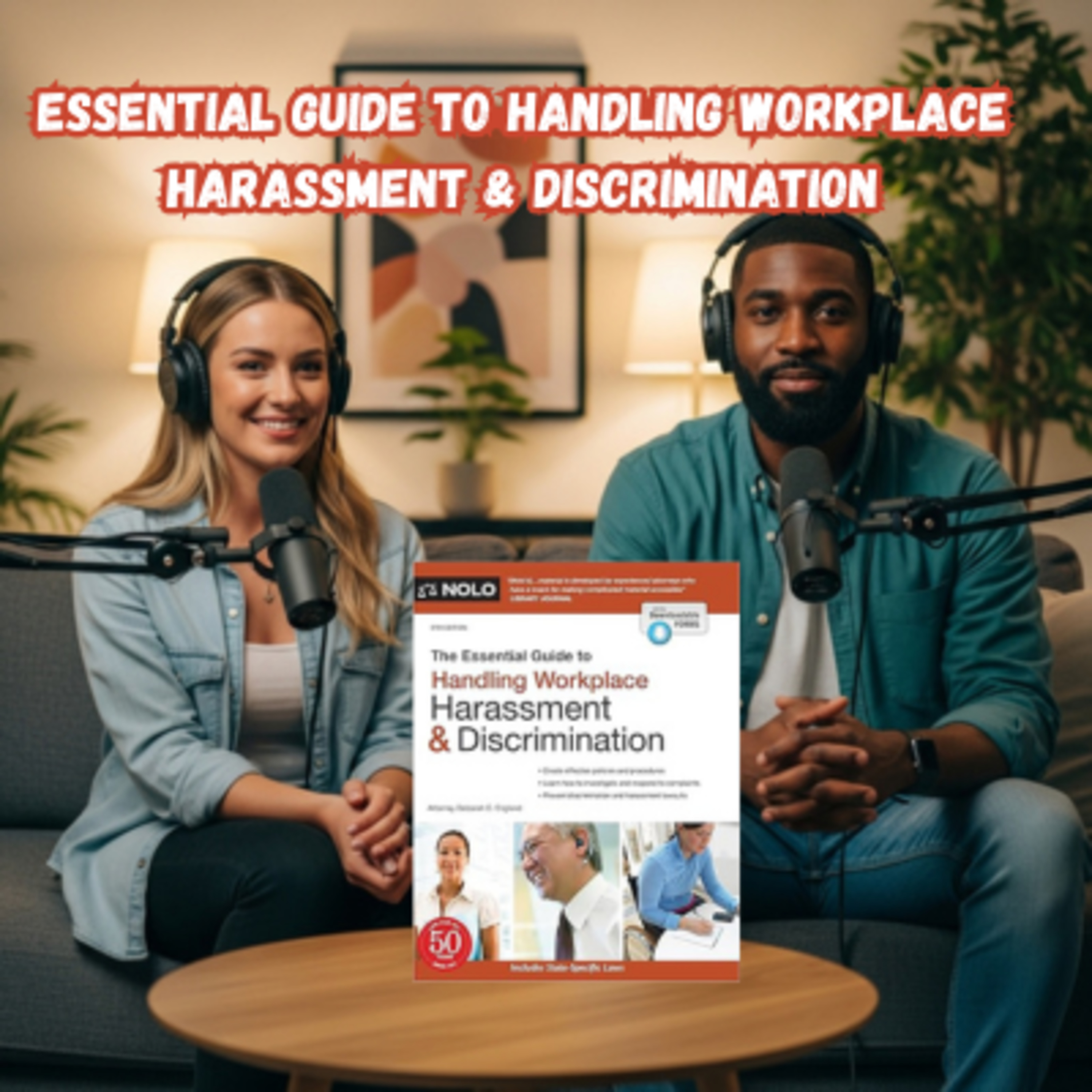
In this episode, we dive into The Essential Guide to Handling Workplace Harassment & Discrimination by attorney Deborah C. England. This practical and timely guide breaks down how harassment and discrimination quietly damage workplaces, destroy trust, and expose organizations to serious legal risk. More importantly, it shows how these issues can be prevented and handled correctly when they arise. Drawing from real-world cases and legal expertise, the book explains how to recognize unlawful behavior, create strong workplace policies, train employees and managers, conduct fair investigations, document responses, and take appropriate action. This episode is essential listening for employers, managers, HR professionals, and anyone who wants to understand how to build a safer, fairer, and legally compliant workplace.
actionable advice business, level up business, under 20 minutes, success tips, growth, bite sized insights, leadership tactics, top thinkers strategies, leadership, business strategies, self help, scaling business, book summaries, professional development, entrepreneurship, business insights
OK, have you ever had one of those moments at work where someone says something and you're just like, whoa, did that really just happen? Well, yeah, definitely. I think we've all been there. It can be super awkward. Yeah, it's that feeling like something is off, but it's not always clear if it's actually crossed the line into like, real harassment or discrimination, you know? Totally. It's such a Gray area sometimes. That's why I'm really excited for this deep dive, because we're tackling Deborah C England's essential guide to handling workplace harassment and discrimination, and this book is like a lifesaver.
It's not just some boring legal textbook, it actually gives you practical advice for navigating these really tricky situations. That's what's so great about it. It's for everyone. Whether you're an employee or an employer, it gives you the tools to handle things the right way. I love that. OK, so let's jump into England's insights. What was the first thing that really stood out to you when you were reading this? Honestly, the thing that hit me first was how much she emphasizes understanding the legal side of things.
Like, it's easy to get lost in all the legal jargon, right? But England makes it so clear that knowledge is power, especially when it comes to your rights and the laws that protect you. It's like your secret weapon and creating a safer workplace. So she's talking about things like the Civil Rights Act and the Americans with Disabilities Act, those big ones. Exactly. Those are the cornerstones, but they always felt kind of abstract to me, you know? Like how does knowing about them actually help in a real work situation?
OK, so think of it this way. Those acts create a legal safety net for everyone. Employers have to follow those laws, which means they need to have clear policies in place, they need to provide training and they need to foster a culture of respect. So it's like they have to create an environment where those things are just not tolerated. Right. And then on the flip side, for employees, knowing those logs means you can actually recognize when something is wrong and you know what rights you have if you need to take action.
So it's like having a playbook for what's acceptable and what's not. Exactly. And that's why I thought the example England gave about the manager handling the disability discrimination claim was so powerful. Because the manager knew the law, they were able to make sure that the employee got the accommodations they needed and the company was protected too. It's a win, win. That's so important. OK, so we've got that legal groundwork covered, but what's the next step? How do you actually build that safe workplace culture?
That's where having really strong policies comes in. England actually compares them to the rules of the game. Like they set the boundaries for appropriate behavior at work, they outline how to report problems, and they clearly state the consequences for anyone who violates. Them no more guessing games. Exactly. Everyone knows where they stand. That makes less sense. Yeah. So clear rules make everyone feel safer, right? Because you know what's expected of you and what's absolutely not OK. Precisely, it takes by the ambiguity.
And that's why the example of the company with a 0 tolerance policy on racial discrimination was so powerful. Because they had a clear procedure to follow when an employee filed A complaint, their response was immediate and effective. I love that. Like it's already set in stone how they're going to react. Right, no hesitation. So. We have the law, we have those clear policies. What comes next in this fortress of a workplace we're building? This one's huge. Empowering Employees Through Knowledge England is a huge advocate for comprehensive training, and not just for supervisors, but for every single staff member.
So it's not a one and done kind of thing. Definitely not. It's got to be an ongoing process like. Refresher courses and keeping up with any changes. Exactly. The workplace is constantly evolving, right? So training needs to keep pace with that to make sure everyone is up to date on expectations and best practices. England actually suggests using a bunch of different formats too, like role-playing or even online modules, to keep people engaged. That's smart because people learn in different ways, so mixing things up keeps it fresh.
Right. And she's found that when training is engaging, it actually makes a huge difference. People are more likely to speak up, awareness goes way up, and the overall culture becomes more respectful. And she even shared a story about a diversity and inclusion training session that led to an employee feeling safe enough to report misconduct. It's powerful stuff. Wow, that's really impactful. OK, so we've built this foundation with the law, policies and training. But what happens if complaint does come up?
What should happen next? That's where impartial and thorough investigations come in. It's another one of England's key takeaways. OK, walk me through how that should work. England lays out a step by step process that's all about fairness and objectivity. You start by acknowledging the complaint and then you interview everyone involved. The key is documenting everything really carefully and staying completely neutral throughout the whole thing. So it's kind of being a detective, right? Gathering evidence, interviewing witnesses.
But the goal is to uncover the truth, not just accuse someone. Exactly. You have to create a process that feels fair and transparent to everyone involved, so that ultimately any decisions are based on actual evidence, not just hearsay or assumptions. That makes a lot of sense and I can see how they would encourage people to come forward if they know their complaint is going to be taken seriously. Absolutely, and England gave this great example of a manager who was investigating A harassment claim and this manager was so thorough.
They interviewed the person making the accusation, the person being accused and any witnesses who could shed light on the situation. It was a real commitment to fairness and a systematic approach. That's impressive. OK, So we've covered the legal side, policies, training, investigations. Is there a final piece to this puzzle of building a safe workplace? You know there is, and it might seem kind of boring at first glance, but trust me, it's super important. England is a big, big advocate for meticulous documentation.
Really. Documentation? OK, I'm intrigued. Why is that so important in this context? It's kind of like your insurance policy and your proof all in one. Meticulous records protect both individuals and organizations. They show that you've done your due diligence. They can be really important if any legal issues come up and they make everything much more transparent. OK, I'm starting to see why it matters so much, but what kind of documentation are we even talking about here? Like is it emails and things like that?
Honestly, it's everything you really want to record. Every single step in the process from that very first complaint to interviews, findings, the final outcome, emails, notes from those interviews, any evidence that's relevant. It all goes in the record. So if a similar situation happens down the road, you can go back and see how it was handled before. You got it. It keeps things consistent and helps build trust. Anglin actually talks about a situation where a company was dealing with a complaint, and because they had such detailed records from a previous similar case, they were able to handle it really well.
It showed that they took those issues seriously and that they were committed to being fair. That's a great example. OK, so documentation check. So we've talked about all these elements that are important for creating a safer workplace, but let's get into the nitty gritty here. What are some of the actual forms of harassment and discrimination that people might encounter in the workplace? England does a really thorough job of outlining the different ways that misconduct can show up, and it's important to remember that harassment and discrimination can be really sneaky sometimes.
It's not always as obvious as someone yelling slurs or being physically aggressive. You mean it could be subtle too? Like what are some of the things that people should watch out for? It can be things like verbal abuse, unwelcome physical contact, those seemingly harmless jokes that actually cut really deep, derogatory comments, intimidation, threats, even creating a hostile work environment. A. Hostile work environment? What does that even mean? Basically it's a situation where unwelcome conduct based on things like someone's race, gender, or religion makes the atmosphere at work really intimidating, offensive, or even straight up abusive.
It doesn't have to be 1 big dramatic incident, it's more about the overall climate. So it's like a constant feeling of being uncomfortable or unsafe because of those behaviors. Exactly. And The thing is, the impact of that kind of behavior can be really damaging to people. England doesn't shy away from that. This goes way beyond hurt feelings. Right. I was going to ask about that, about the impact. What are some of the consequences that people might experience as a result of harassment or discrimination?
Oh. It can be so many things. Emotional distress, anxiety, depression, you name it. People's job performance can suffer, their physical health can take a head. It's a domino effect. That's really heavy and I'm guessing it doesn't just affect the individuals involved, right? The whole company must suffer too. Oh absolutely. You got the potential legal costs if things escalate, the damage to their reputation. But it goes even deeper. Harassment and discrimination can really poison a workplace. Morale plummets, people start calling in sick more often.
Good employees leave. Productivity tanks. It's a recipe for disaster. Wow, the ripple effects are huge. So what can be done to prevent these kinds of nightmare scenarios from happening in the 1st place? Does England offer any solutions? She does, and she's a big believer in prevention. It's so much better to proactively create a culture of respect from day one than to try and fix things after misconduct has already occurred. That makes a lot of sense, but how do you actually go about building that kind of culture?
England emphasizes that it starts at the very top. Leaders have to walk the walk, not just talk the talk. They need to make it crystal clear that harassment and discrimination are absolutely unacceptable, no exceptions. So it's about setting the right tone for the beginning, leading by example. Exactly. But it's not just about talking the talk. Companies need to create multiple ways for employees to report any concerns, guarantee confidentiality, and respond really quickly and effectively when those complaints do come up.
So it's about making people feel safe and supported if they do decide to speak up. Exactly. You need that open line of communication. And there's another element that England talks about that I think is really interesting, the power of bystander intervention. Bystander intervention You like. If you see something happening, you should step. You Got to England believes we all have a responsibility to create a safe work environment, so if you witness misconduct, or even if you become aware of it second hand, you have a duty to speak up, even if it feels awkward or uncomfortable.
I can see how that would be tough though. What if you're not really sure how to intervene effectively, or you're worried about making things worse? England actually gives some really practical advice on this. She suggests addressing the harasser directly, showing support for the person being targeted, reporting the incident, or even just getting help from others. So there are different approaches you can take depending on the specific situation. Right. And even small actions can make a big difference.
The goal is to disrupt that cycle of harassment and discrimination. And sometimes it just takes one person speaking up to really shift the dynamic. That's a powerful thought. OK, but let's say despite everyone's best efforts, an incident does occur. What should happen next? That's where those impartial investigations we talked about earlier come in. England is very clear about the importance of responding promptly, investigating thoroughly and being totally impartial. I bet documentation is crucial here too, right?
You know it. Thorough documentation helps to create a clear timeline of what happened, it provides evidence if legal action becomes necessary, and it lets the organization track patterns and see if there are any areas where they need to improve. So it's about learning from those mistakes and making sure that the same thing doesn't happen again. Right, it's about holding individuals accountable for their actions and also making sure that the people who have been harmed get the support that they need.
England is very clear that addressing workplace harassment and discrimination isn't A1 and done thing, it's an ongoing process. It's a journey, not a destination. It takes constant vigilance, a real commitment to doing better, and a willingness to adapt and evolve as the workplace changes. So we've covered a lot of ground here. We've talked about specific types of misconduct, the impact it has, strategies for prevention and intervention. What's the main take away for our listeners? Where do we go from here?
England's advice is that everyone should take ownership of their own well-being. Educate yourself about your rights, get familiar with your company's policies, and build a network of support. So it's about being proactive and knowing that you're not alone in this. Exactly. And remember, knowledge is power. England's book gives us the tools we need to create positive change, both in our own workplaces and in society as a whole. Right, we're back for the final part of our deep dive into essential guide to handling Workplace harassment and Discrimination.
We talk a lot about the big picture, but I think sometimes it's those real life stories that really help us understand what this all looks like in action. Totally. I mean, stories are how we connect with these issues, right? And Deborah C England includes some incredibly powerful case studies in her book that really bring these concepts to life. OK, so tell me about one. Which story really stood out to you? Well, there's one that I keep coming back to. It involved a woman who was dealing with some really inappropriate behavior from a male colleague.
And it started subtly at first, you know, like off color jokes, comments that made her uncomfortable. It's so insidious how harassment can start small and then escalate over time. Right. It makes it harder to recognize and feel confident speaking up. Exactly. Yeah. So what happened in this case? Well, at first she was hesitant to report it. I can imagine it's so common for people to worry that they won't be taken seriously or that there will be retaliation. What's a huge barrier? But thankfully the company had a really clear policy, policy against harassment, and they had a specific process for reporting it.
So she finally went to her supervisor. And did the supervisor take her seriously? They absolutely did, and they immediately launched an investigation. OK. So those procedures we talked about earlier really made a difference in this situation. They were crucial because they investigated so thoroughly and impartially, they were able to uncover a pattern of inappropriate behavior from that male colleague. So what happened to the guy? He was given a formal warning, he was required to go through sensitivity training and his behavior was really closely monitored going forward.
So they took concrete steps to address the problem and make sure it didn't happen again. It sounds like a pretty good outcome, all things considered. It really was, and for me it shows how important it is to speak up, even if it feels really scary or difficult. Right, because you might not only be protecting yourself, you might be protecting others too. Exactly. This woman's courage to come forward could have prevented other people from going through the same thing. It also highlights how important it is for companies to create a safe environment where people feel like they can report misconduct without fear.
100% clear policies, training and a responsive process are essential. But even with a book as helpful as England's is mess, the truth is that the landscape of workplace harassment and discrimination is constantly evolving. That's so true. Like with so many people working remotely now, and with so much communication happening online, there are a whole new set of challenges. Right. We have to think about cyberbullying, online harassment, those blurred lines between work and personal life. It's a whole new frontier.
So how do we adapt? What can both individuals and organizations do to keep up with these changes? On the organization side, it's really important to set clear guidelines for online conduct, provide training on digital etiquette and how to prevent cyber bullying, and make sure that reporting systems are accessible to everyone, including remote workers and. What about on an individual level? It comes down to being mindful of our online behavior, setting boundaries between work time and personal time, and being really clear about reporting any instances of harassment.
It sounds like those core principles of respect and professionalism are just as important online as they are in person. Exactly. They're universal. So while England's book gives us this really solid foundation, it's up to all of us to stay informed, adapt to new challenges and keep fighting for a safer and more equitable workplace for everyone. This deep dive has been so eye opening and insightful and England's book really does give us the tools to create positive change. It does. I mean, knowledge is power, right?
Absolutely. So to our listeners, we encourage you to take what you've learned today. Share it with others. Let's work together to build that better, more inclusive world. It's been such an imortant conversation. Thank you for joining us. And thank you for listening to the deep dive. We'll see you next time for another deep dive into a topic that matters.
 Apple Podcasts
 Castbox
 Castro
 Goodpods
 Moon FM
 Overcast
 Pocket Casts
 Podbean
 Podcast Addict
 Podcast Republic
 Spotify