The Confidence Code by Katty Kay and Claire Shipman | Summary
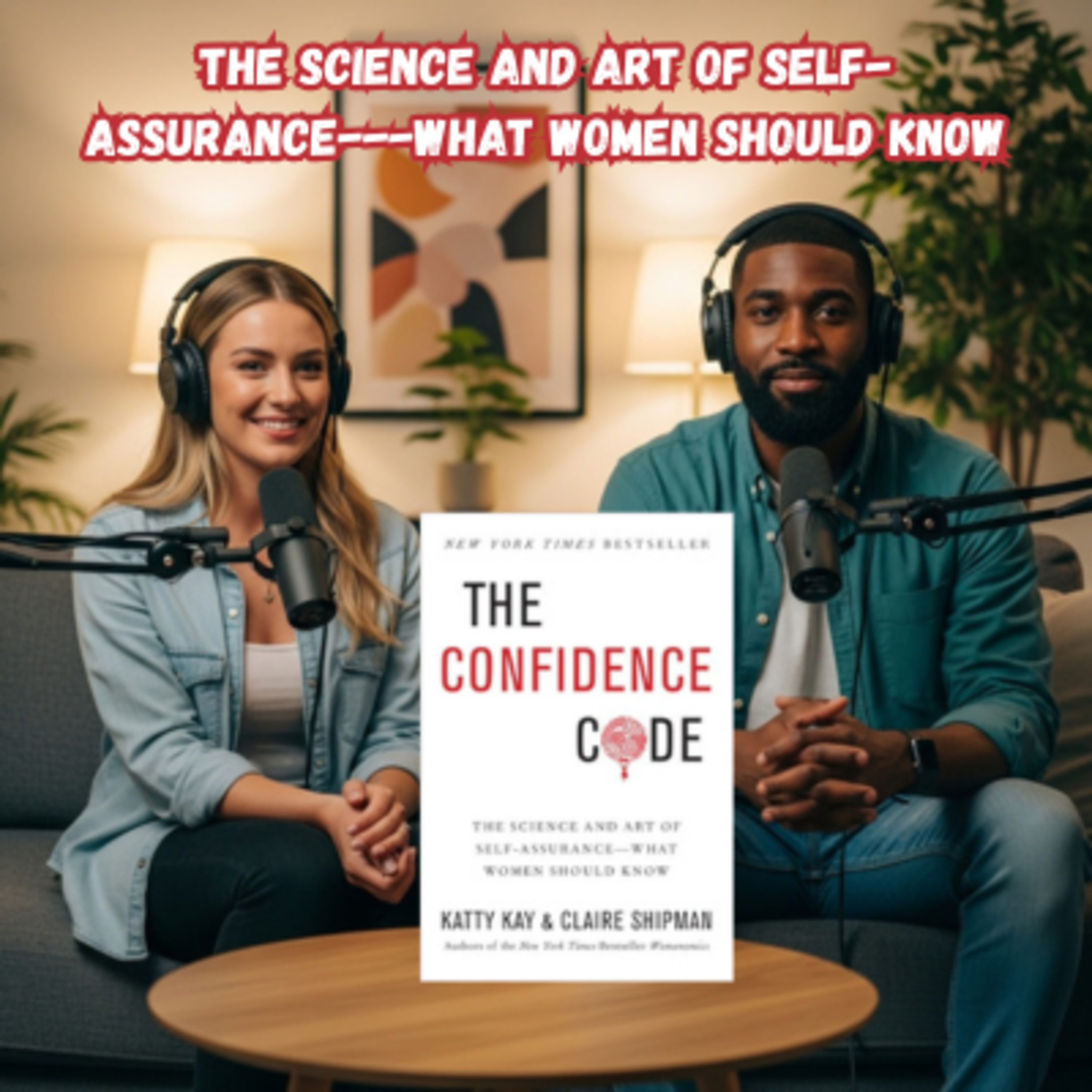
In this episode, we explore The Confidence Code by Katty Kay and Claire Shipman, a powerful deep dive into why confidence—not competence—is often the real differentiator in women’s success. Drawing on neuroscience, genetics, psychology, and real-life stories from high-achieving women in politics, business, and media, the authors reveal how confidence is shaped, why women tend to underestimate their abilities, and how cultural conditioning reinforces self-doubt. This conversation breaks down the myth that confidence is something you either have or don’t have, and shows how it can be deliberately built through action, risk-taking, and resilience. More than motivation, this episode offers a practical roadmap for closing the confidence gap and claiming opportunities without waiting to feel “ready.”
confidence, women empowerment, self-belief, leadership mindset, career growth, psychology, personal development, gender and success, resilience, mindset shift, professional growth .
Hey everyone and welcome back. You know, I bet a lot of you listening have thought about confidence and how to get more of it. Absolutely. Like it's something other people just have. Yeah. Right. Well, we're going to crap the code today because today we're deep diving into all about building real, lasting confidence. Awesome. We're looking at the Confidence Code by Katty Kay and Claire Shipman. Great book. It's. Jam packed with good stuff for sure. And whether you're like prepping for some big presentation or just looking for ways to feel a bit more empowered day-to-day, this is for you.
Definitely. So we're uncovering like the actionable steps to actually building confidence. Love it. And all backed by research and relatable examples. Yeah, this book, it really like flips the script on how we think about confidence. Yeah, You see, most of us, we assume we need to feel confident before we can take action. But like research suggests, the opposite. Wait, so you're telling me faking it till you make it is like a real thing? Yeah, in a way. Wow. Confidence. It doesn't come before action, it follows it.
Think about it like, have you ever noticed that after you do something brave, even if it was scary, you kind of walk away feeling a little taller? OK. Yeah, a little more sure of yourself. Yeah. Like you don't just magically become a confident public speaker. You become one by speaking publicly, right? Even if at first you're nervous. Makes sense. Yeah. Like, you don't just wake up one day and you're suddenly not afraid of heights. Exactly. You got to like, climb that mountain a few times, you know?
Yeah, and every time you push past that comfort zone, you're basically depositing a little confidence in your inner bank. I like that. And the more you deposit, the richer you become. OK, so the key take away here is wanting to feel confident isn't enough, right? You actually have to do the things that scare you A. Little, exactly, even small acts of courage. They can have a big impact. I see. The book actually shares a great example about this. Oh yeah. About overcoming shyness at a party. OK, instead of waiting for someone to approach you, what if you just walked up to someone new and said hello?
I mean, that sounds terrifying, yeah, but also kind of liberating, right? Like taking control totally instead of letting fear control you. And most of the time people are delighted to be approached. Really. Yeah, you might be surprised by how warmly they respond. Huh. OK, yeah, so I'm starting to see how action builds confidence. But what about when things don't go as planned? Like what if you try something new and you totally mess up? Is that like hurt your confidence? That's where the next game changing insight comes in.
Embracing imperfection, OK, and shipment. They encourage us to shift our perspective on failure. Instead of seeing it as a roadblock, we view it as valuable feedback that helps us to learn and grow. So it's not about avoiding failure altogether, right? It's about how we react to it. Exactly. Think of it like learning to ride a bike. You're going to fall a few times, yeah, before you find your balance. Yeah, for sure. But each fall teaches you something. You adjust your approach, you try again, and eventually you're cruising down the street.
I'm starting to see a pattern here. What's that? Confidence seems less about like some innate quality, yeah, and more about having the right mindset and taking consistent action. You're catching on quickly. Yeah, and that brings us to another powerful concept from the confidence code. OK, self acceptance. OK, so how does self acceptance tie into building confidence? Well, imagine trying to build a house on a foundation of sand, right? It could be shaky, unstable. Yeah, confidence works the same way.
It needs a strong foundation, and that foundation is self acceptance. OK, I get the analogy, but what does self acceptance actually look like in practice? It means embracing your authentic self, flaws and all. Instead of focusing on your perceived shortcomings, try shifting your attention to your strengths, your values, and the things that make you uniquely you. So it's kind of like giving yourself permission to be perfectly imperfect. It's exactly the authors emphasize that authenticity isn't about being flawless or having it all figured out.
It's about being comfortable with who you are, warts and all. Speaking of authenticity, you mentioned earlier that it's a crucial aspect of confidence, yeah. Could you elaborate on how that plays a role? You're totally right to bring that up. Oh yeah, Authenticity. Yeah. It's like the secret sauce that makes all the other confidence building ingredients work. OK, even better. I'm intrigued. Tell me more about how authenticity and confidence are connected. Think about a time when you've seen someone who's truly comfortable in their own skin, like they're not trying to be anybody else, they're just being themselves.
Don't they radiate confidence? Yeah, totally. Like they're not worried about what other people think. They're just like owning their unique vibe. Exactly. And that's what Kay and Shipman argue OK in the confidence code. True confidence comes from aligning your actions with your values and beliefs. It's about showing up as your genuine self, not trying to fit into some mole that doesn't feel right. That makes so much sense. It's like if you're constantly trying to be someone you're not, yeah, you're always going to be second guessing yourself, right?
Which totally erodes confidence. It does, and the book emphasizes that authenticity. OK, it isn't about being perfect or having it all figured out, right? It's about embracing those imperfections and saying, hey, this is me, take it or leave it. OK, I'm on board with the idea, but how do we actually cultivate this authenticity thing? It sounds a bit abstract, like where do we even begin? It starts with self-awareness, taking time to reflect on your values, your strengths, yeah, your passions and yes, even your weaknesses.
Right? Like taking inventory of your inner world. So it's about getting to know yourself, yeah, on like a deeper level, figuring out what makes you tick. Exactly. Once you have a clearer understanding of who you are at your core, you can start making choices that are aligned with your authentic self. You'll be able to say yes to the things that light you up right, and no to the things that drain you. I can see how that would build confidence. It's like you're creating a life that feels true to you.
Yeah. And so you naturally feel more confident within it. Exactly. Yeah, and the book gives a great example of this. One of the authors talks about how she used to try to be super outgoing and bubbly even though it wasn't really her natural style. Yeah, I can relate to that. I think a lot of us feel the pressure to be more extroverted, even if it doesn't come naturally. For sure. So what happened when she tried to force that persona? Yeah, what happened? She realized that it was exhausting, really, and it wasn't attracting the right kind of people into her life.
You know, she was putting on a show and it was draining her confidence. To she decided to just ditch the act and embrace her more introverted side. Exactly. And you know what? She found that people were actually drawn to her authenticity. Wow. She was no longer trying to please everyone, she was just being herself, and that was magnetic. That's a really powerful story. It's like when you're trying too hard to fit in, you actually just blend in. But when you embrace what makes you unique, you stand out in a good way.
You nailed it, and that's the beauty of authenticity. It's not just about feeling good about yourself, it's about attracting people and opportunities that are a good fit. Oh yeah, it's about finding your tribe and building those genuine connections. OK, so authenticity sounds great in theory, but I have to ask. What's that? Aren't there times when it's better to just go with the flow, even if it means compromising your authenticity a bit? Right. Like, what about these situations where being too authentic, yeah, could, like, rub people the wrong way?
Yeah, you raise a valor point. It's true that not everyone is going to be receptive to your authentic self, especially if it challenges their beliefs or expectations. Exactly like what if you're in a work setting where you need to be more diplomatic even if you disagree with something? Well, authenticity doesn't have to mean being brutally honest, right? Or insensitive. It's about finding a way to express yourself in a way that feels true to you, Yeah, while also being respectful of others. So it's about finding that balance between being true to yourself and navigating social situations.
Exactly. And the good news is, the more confident you become in your authentic self, the easier it becomes to find that balance. OK, you'll be able to set boundaries, speak your mind, and do it all with grace and composure. This is all starting to make so much sense. It's like confidence is a superpower that lets us be our true selves without that fear of judgement. You got it. And that brings us to another key take away. OK from the confidence code. Confidence is a process, OK, not a destination.
It's not something you achieve overnight. It's something you cultivate over time. OK, let's dive into that idea. What do K and Shipman have to say about confidence as a process? Well, you know, it's tempting to think that once we, like, reach a certain level of confidence, we're good to go, like we finally arrived. But the confidence code, it suggests that confidence is more like a muscle that needs regular exercise. So it's not a one and done deal. Not at all. There will be days when you feel like you can conquer the world, right?
And others when, you know, self doubt creeps in. Life throws curveballs. Yeah. And our confidence can fluctuate for sure depending on what we're facing. That makes sense. Even the most confident athletes, you know they have off days. Exactly, and that's why it's so crucial to have a tool kit OK of strategies to draw from. I like that. The tools we've been discussing, taking action, embracing imperfection, being authentic. Yeah, like exercises that keep our confidence muscles strong. OK, I love that analogy.
So it's not about avoiding challenges or setbacks, it's about having the tools and the mindset to navigate them and come out stronger on the other side. You got it. And the confidence code, it really drives home this point that consistency is key. OK, Small, continuous efforts to build our confidence over time, right? That's what makes a lasting difference. Like that example we talked about earlier, gradually increasing your running distance. Yeah, you don't start by running a marathon. You start with 5 minutes a day and build up.
Right. Small wins. They build momentum every time you step outside your comfort zone and succeed. Yeah, it reinforces that belief in yourself. Yeah, and even if you don't hit a home run every time, the very act of trying is a step in the right direction. Absolutely. The book encourages us to reframe failure as feedback. It's an opportunity to learn, adjust, and try again, maybe with a slightly different approach. So it's all about progress, not perfection, which honestly is kind of a relief. Takes the pressure off.
It does. Allows us to embrace the journey a bit more. It really does, and I think that's one of the most empowering takeaways from the Confidence Code. Building confidence. It isn't about becoming some idealized version of ourselves. It's about embracing who we are, flaws and all, and having the courage to keep growing and evolving. We've covered so much in this deep dive, from the science behind confidence to practical tips for building it in our daily lives. We have It feels like the Confidence Code truly offers a road map for anyone looking to boost their confidence.
It really does. And perhaps the most important message is that confidence is within everyone's reach. Yeah, it's not some magical quality that some people are born with and others aren't. Yeah, It's a school that can be learned and developed with practice. And that's such an empowering message for our listeners. Yeah, no matter where you're starting from, you have the power to become a more confident you. Exactly. So as we wrap up this deep dive, here's a final thought provoking question I like it for you to ponder.
What 1 action will you commit to this week? To step outside your comfort zone, right, and boost your confidence? It doesn't have to be something huge. Maybe it's striking up a conversation with someone new. Yeah. Trying a new activity or speaking up in a meeting. Yeah. The key is to just take that first step. And remember, every step you take, no matter how small, is a victory worth celebrating. I love that. Keep those confidence muscles flexing and who knows what you'll achieve. That's a wrap on our deep dive into the Confidence code.
Awesome. We hope you found these insights helpful and inspiring. I hope so. Until next time, keep exploring, keep learning, and keep building your confidence.
 Apple Podcasts
 Castbox
 Castro
 Goodpods
 Moon FM
 Overcast
 Pocket Casts
 Podbean
 Podcast Addict
 Podcast Republic
 Spotify