The Art of War
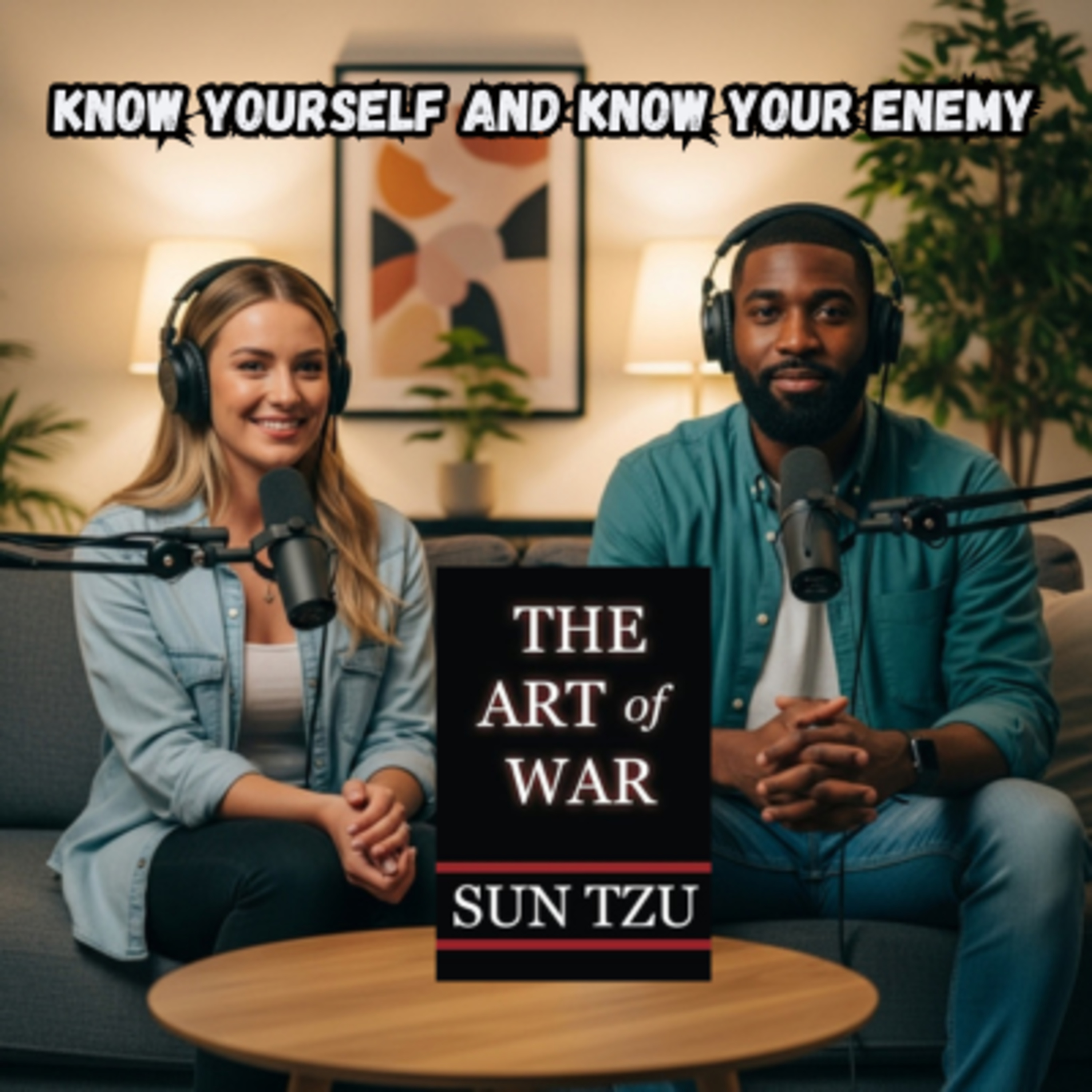
More than 2,500 years ago, a Chinese general named Sun Tzu wrote a short manual on warfare—and its lessons still shape modern leadership, business, and strategy today. The Art of War is not just about fighting battles; it’s about mastering yourself, understanding your opponent, and winning without conflict whenever possible.
In this episode, we unpack the timeless wisdom of Sun Tzu’s principles—how to plan with precision, adapt to change, and lead with calm strategy even under pressure. You’ll learn why victory belongs not to the strongest, but to the most strategic; not to the fastest, but to the most prepared.
Whether you’re navigating competition, negotiation, or personal goals, this ancient playbook offers modern lessons in clarity, discipline, and foresight.
#TheArtOfWar #SunTzu #BookTunez #Strategy #Leadership #Mindset #Wisdom #Philosophy #Discipline #BusinessStrategy #PersonalDevelopment #Classics
If this episode sharpened your strategy, follow BookTunez for more timeless insights from the world’s greatest thinkers. 🎧
Share this with someone navigating their own battlefield—at work, in business, or in life—and remind them that real power lies in preparation, patience, and perspective.
Because every victory starts long before the battle begins.
All right, let's dive into the art of war today and see how it applies to like, modern life. We've got this awesome video that breaks down all the chapters and like gives us some real world applications. You know, it's funny how this ancient text still has so much to teach us today. Totally. Like something here was some kind of time traveler, right? Who knew exactly the kinds of problems we'd be facing? It's wild. And that's exactly what we're going to do in this deep dive. We're going to, like, distill the essence of his strategies and see how you can use them.
Yeah. To up your decision making game at work, in your personal life. Yeah, even just figuring out what to eat for dinner. Well, Speaking of decisions, yeah, Chapter 1 is all about laying plans, OK? And Sun Tzu really stresses that thorough planning is essential for success. It's like you wouldn't start building a house without a blueprint. Exactly. Or jump into a big project at work without a plan, right? Sun Tzu lays out five key factors that you got to think about all right. Lay a mommy. First there's the way, which is like your goal, the goal.
Then there's the weather, those external factors that can mess things up the. Things you can't really control. Right, like if you're planning an outdoor event and a storm rolls in. Oh yeah, you can't control the weather, but you can't have a backup plan. Exactly. OK, what about this terrain thing? Think of terrain as your environment or context. Like imagine launching a new product. The terrain could be a super crowded market with lots of competition. Right. Right. Or it could be a niche market with fewer competitors but maybe stricter rules.
Got it. So understanding the terrain helps you adapt. Absolutely. It's all about using the landscape to your advantage. Like a strategic game? And then you have leadership and management, which are pretty straightforward. You need a clear vision, efficient use of resources, and a way to get your team pumped. Now think about a recent challenge you've faced. Did you stop and consider those five things before jumping in? Oh yeah, I know I haven't always and it definitely shows in the results. Well, the video gives a great example about approaching a work project.
Yeah, like it's a tough level in a video game. You gather Intel, right? You assess the obstacles, and you figure out the best way to proceed. Strategize. It's about working smarter, not just harder. That is so true. Which brings us to Chapter 2, Waging war. OK, now before you think we're advocating for actual combat, Sun Tzu is really talking about the cost of conflict, Time, energy, resources. He's not saying avoid conflict, but be mindful of what you invest in the battle. Choose your battles. Exactly.
Aim for quick, efficient wins. Minimize the damage exactly. That makes a lot of sense. The video uses the example of launching a product. A well researched launch with great timing can lead to a fast win in the market. It's like studying for an exam. Oh yeah, cramming last minute leads to burnout. It's way smarter to like plan out your study schedule so you can cover the material without like all the stress. It's just a perfect analogy. So it's about being efficient and making the most of your time.
Exactly. Now get ready for Chapter 3, Attacked by Stratagem. This one's all about winning without fighting this. Is where Sensei gets really interesting. It's about outsmarting your opponent, finding their weaknesses, and avoiding their strengths. Like water flowing around a rock. Oh, I like. That the video tells this story about someone winning a debate at work by understanding everyone's goals and finding a solution that worked for everyone. So it's like a win win? Exactly. It's not about brute force, it's about being clever and strategic.
Absolutely. OK, let's move on to Chapter 4, Technical Dispositions. It sounds like it's about adaptability. It is. Having a plan is great. Right. But being able to adapt is even more important. Yeah, things change. Exactly. Sun Tzu compares it to being like a chameleon. Oh. Interesting blending in and adapting to its surrounding. So it's not about sticking to the plan no matter what. Nope. It's about being flexible. Like in the video, there's this project leader. Yeah, who loses a key team member right before a deadline?
That's tough. But instead of panicking, yeah, they adapt streamline processes and delegate tasks differently. So they turned a set back into an advantage. Exactly. Wow. That's impressive. It really shows the power of adaptability. For sure. Especially when things don't go according to plan. Which is like always. OK, chapter 5 is energy. Energy. I thought this was about like physical stamina, ah. Since he's talking about something deeper. Oh, OK. He means the strength and vitality needed for sustained action.
So like working smart. Exactly. Not just working hard. Don't burn yourself. Out like a marathon runner? OK, you have to pace yourself right? Save energy for the final Sprint. The video compares it to a sports game. You don't use all your energy in the 1st. Quarter exactly. You got to save it for what it matters most. Sunsu gives three key takeaways for managing energy. Yeah, harmonize your efforts could conserve your energy and time your actions strategically. Think of it like this. If you're leading A-Team, OK, Everyone needs to work together towards a common goal, right?
That's harmonizing efforts. Yeah. Then conserve energy. Don't waste time on things that don't matter. Focus on what's impactful, right? And finally, timing is everything. It's like knowing when to strike and when to hold back. So it's about being mindful of your resources. Yes, and using them wisely. OK, let's move on to Chapter 6. Weak points and strong. All right, That sounds a lot like chess. It is. You got to know your strengths and weaknesses and your opponents. Right to exploit them. The video talks about this person competing for a promotion.
OK. And instead of trying to be better than their Co worker, yeah at things the Co worker was already good at, they focused on building different skills. So they found their niche. Exactly things the company needed. That's clever. It's about understanding the situation and finding your advantage. Now into Chapter 7, maneuvering. This one's all about strategic movement. Sounds straightforward. But it's about knowing how and when to move OK and understanding the terrain you're on. So it's more than just making a move.
Sunsko says things rarely go as planned. Never. So you have to be adaptable. Like in that example with the project leader who lost a team member. Yeah, they had to completely shift their strategy. And they succeeded. It's like turning a set back into an opportunity. Adaptability is key. It's about being resourceful and creative. Love it. Chapter 8. Variation in tactics. Oh, this one's all about not being predictable. Sticking to 1 plan, it can make you vulnerable. Like in poker, if you always bet the same way.
Exactly. People will figure you. Out. So you have to keep them guessing. The video gives this example of a product launch OK where the original marketing just wasn't working. What did they? Do they adapted, targeted a different audience, interesting and refined their message? So they were willing to change course. It's not about giving up. Yeah, it's about finding a new way to reach your goals. Makes sense. OK. Chapter 9. The Army on the March. This might sound a bit out of place. Yeah, a little.
Bit, but it's actually about situational awareness. Like paying attention to your surroundings. Exactly noticing the little things. So 2 says it's like avoiding a storm. Oh, I see you. See those dark clouds? You change your route. You don't just drive straight into it. Right, you adapt. So you're being proactive. And staying one step ahead. That's smart. Now Chapter 10 Terrain. This is all about understanding your environment and not just the physical landscape, right? It could be the market, your relationships.
Even your own mental state. Exactly. Each terrain has its own challenges and opportunities. Like launching a business in a saturated market. Yeah. That's different from launching in a niche market. It's like knowing the lay of the land. The video uses the exempt of a startup launching in a crowded market. Yeah, they have to be really strategic. Right to stand out. It's about adapting and tailoring your approach. Makes sense? What about Chapter 11, the 9 situations? Oh, this is about strategic positioning.
Sounds complex. It's like a road map for different scenarios, OK? Each situation has its own challenges, right? And Sun Tzu gives advice for each one. So it's not a one-size-fits-all approach. The video talks about a product launch. A welcoming market allows for expansion, OK, but a competitive market might need partnerships. Got it. It's about being flexible and adapting to the situation. Makes sense. OK, Chapter 12 is the attack by fire. I hope we're not talking about literal fire here. No, it's a metaphor.
OK, good. Since he's talking about using your resources strategically. Maximum impact. To create change and overcome obstacles. The video gives the example of a company launching a marketing campaign. Yeah, crowded market. They disrupt the competition. It's about being bold and taking calculated risks. Since you talked about timing, yeah, control and precision. It's not reckless, it's strategic got. It. OK, last chapter for this part. OK, Chapter 13 the use of spies. Sounds a bit sneaky. It's not about actual espionage, OK?
Good to know. It's about information, OK, knowing what's going on. So like market research and data analysis? Exactly. It's a valuable Intel. The video talks about using market research for a product launch. Oh yeah, to figure out the best time. You gather info on trends, competitor launches. And customer preferences. It's all about making informed decisions. Sun Tzu stresses secrecy and trust with information. It's not about being sneaky, right? It's about using your knowledge strategically. So the use of spies is more about being informed exactly than about actual spying.
It's about being proactive and gathering the right information. This has been a great start to our deep dive. Yeah, fascinating stuff. And that wraps up Part 1. On to Part 2. It's amazing how much the Art of War still applies today. Right, like Sunzu's advice is good for business relationships. Oh yeah, even personal growth. It's like he's giving us a CHEAT SHEET for life. He's all about outsmarting challenges. Being adaptable, right? Absolutely. Brute force only gets you so far. Remember in Chapter 10, Terrain, yeah, we talked about startup needing different approaches depending on the market they're entering.
Right. A crowded market is like a dense forest. Resources are limited, lots of competition. So you need to be strategic to even survive. You got to find your niche like a clearing in the forest. What about an untapped market? That's like a wide open field. Lots of space. But you got to be quick to stake your claim. Sunzi's all about swift action. Exactly. Seize the opportunity. So it's not just about the terrain, right, but also the timing? Timing is key in the art of war. Knowing when to act. When to launch?
When to retreat? Like a surfer. Oh yeah, knowing when to ride the wave. And when to head back to shore? Don't want to get wiped out? Speaking of reading the situation. Let's talk Chapter 11, the 9 situations. That's like a strategic road map. It's a lot to take in. Each situation has its own challenges and opportunities. The video used the example of a product launch. Right, different markets need different strategies. But how else can we use this in our own lives? Well, think about a job search.
OK. If there are tons of jobs, that's like dispersive ground. Lots of options. You can be picky. But if it's really competitive. That's contentious ground. You got to network and stand out. And what if you lose your job? That's tough. A sons who might call that desperate ground. You have to be resourceful. Maybe even start your own thing. The Art of War helps with modern problems. It's timeless. Not just about battle. It's about navigating life strategically. OK, let's get into Chapter 12. The attack by fire, right?
You said it's not about actual fire. It's about using resources strategically. To make a big impact. Like breaking a bad habit. Oh, OK. Procrastination. Yeah, we've all been there. You could create a focused work environment. OK, set deadlines with consequences. So you're setting yourself up for success. Exactly, you're removing obstacles. What about at work? Proposing a new initiative. Like a new project. Yeah, their data get people on board. Present it well. It's like sparking enthusiasm. Get everyone excited.
Now, chapter 13, the use of spies. That sounds a little intense. Remember, it's not about actual spying. Right, it's about information. Market research. Customer feedback. Online data. It's all Intel. We have to be smart about the info we consume. Imagine you're changing careers. Big decision. You wouldn't jump in blindly. You got to do your research. Talk to people, read up. Get a feel. For it or buying a new car, you'd compare prices. Read reviews. Test drive a few. That's the use of spies. Being informed.
Making smart choices. So it's about being a smart consumer. But also being aware of our own biases. Oh, that's important. We all have biases. And they can affect our decisions. It's like looking through a distorted lens. You don't see the full picture. Self-awareness is key. Helps us filter information. See things means more clearly. So the use of spies is about being strategic with info. Now some people worry about the ethics of the Art of war. Yeah, like it could be used for manipulation. That's a valid concern.
But it's really about strategic thinking. Not winning at all costs. Finding solutions that work for everyone. Building relationships, making the world a better place. Using our smarts for good. So how can our listeners apply this to their lives? That's the big question. What? Terrain are you navigating? What are your challenges? And how could you use Sun Tzu's wisdom to overcome them? That's a great question to think about. The art of war is a way of life. We need to be adaptable and resourceful.
Use our intelligence to navigate the world. Great insights. We'll leave you to ponder that. As we get ready for the final part of our exploration. All right, welcome back to our deep dive into the art of war. Yes, I hope you're ready for more because. No, I am. We're about to see how to use all this stuff to basically become a master strategist in your own life. We've explored so many strategies over the last two parts, right? It's like putting a puzzle together. Totally. And now we're finally seeing the full picture.
And one thing that really stands out to me, yeah, is this idea of being adaptable. Yeah, since he's all about. That like he's saying, no plan survives contact with the enemy. Right. And in real life, right Enemy is those unexpected curveballs. It's like like, Tyson said. Oh yeah. Everyone has a plan until they get punched in the face. Exactly. Life throws punches. Sometimes you got to roll with it. So being adaptable is key. It's not just about having a plan, right? It's about being able to adjust when things change.
So you have to be mentally flexible. Embrace new information. Find creative solution I. Don't like water? I love that. Flow around obstacles. Find the path of least resistance. Another big theme has been self knowledge. Oh, absolutely. Since you keep saying know yourself. Knowing your strengths, your weaknesses. And your limitations? That's the foundation for making good decisions. If you don't know your own blind spots right, you might end up making bad choices. Like wandering through a maze in the dark.
You'll just keep hitting walls. But self-awareness is like a light. OK. It shows you the way forward. So I bet a lot of our listeners are thinking, yeah, OK, how do I actually use ease this stuff in my life? Right. It's great to learn about these strategies. Yeah, but how do we put them into action? We need to translate them into concrete steps. Like Senzu's emphasis on planning? OK, you can apply that to budgeting vacation planning. Yeah, anything really. Instead of just winging it right, take a moment to plan things out.
Think about your goals, resources, challenges. And remember attacking by stratagem. Yeah, that's a good one. That can help in negotiations problem solving. Even relationships. It's about finding those win win solutions. Being strategic thinking ahead. And then knowing the terrain. That one is all about understanding your environment. Right. Whether it's your work, your social circles. Even your own emotion. You have to adapt your strategies accordingly. Like a sailor adjusting to the wind. And finally, using spies.
It's about being smart with information. Filtering out the noise. Focusing on what matters. Making informed decisions. So even though the art of war is ancient. It's still so relevant today. It's like a guidebook for life. Helping us navigate challenges. And achieve our goals. I love that. The best victories are the ones that bring peace and fulfillment. So true. It's been amazing exploring the art of war with you. I know it's been a fascinating journey. Hopefully our listeners got some great takeaways.
Definitely. Remember everyone, keep those minds sharp. Stay adaptable. And use those strategies to achieve your goals. See you next time, bye.
 Apple Podcasts
 Castbox
 Castro
 Goodpods
 Moon FM
 Overcast
 Pocket Casts
 Podbean
 Podcast Addict
 Podcast Republic
 Spotify