Extreme Ownership: How U.S. Navy SEALs Lead and Win
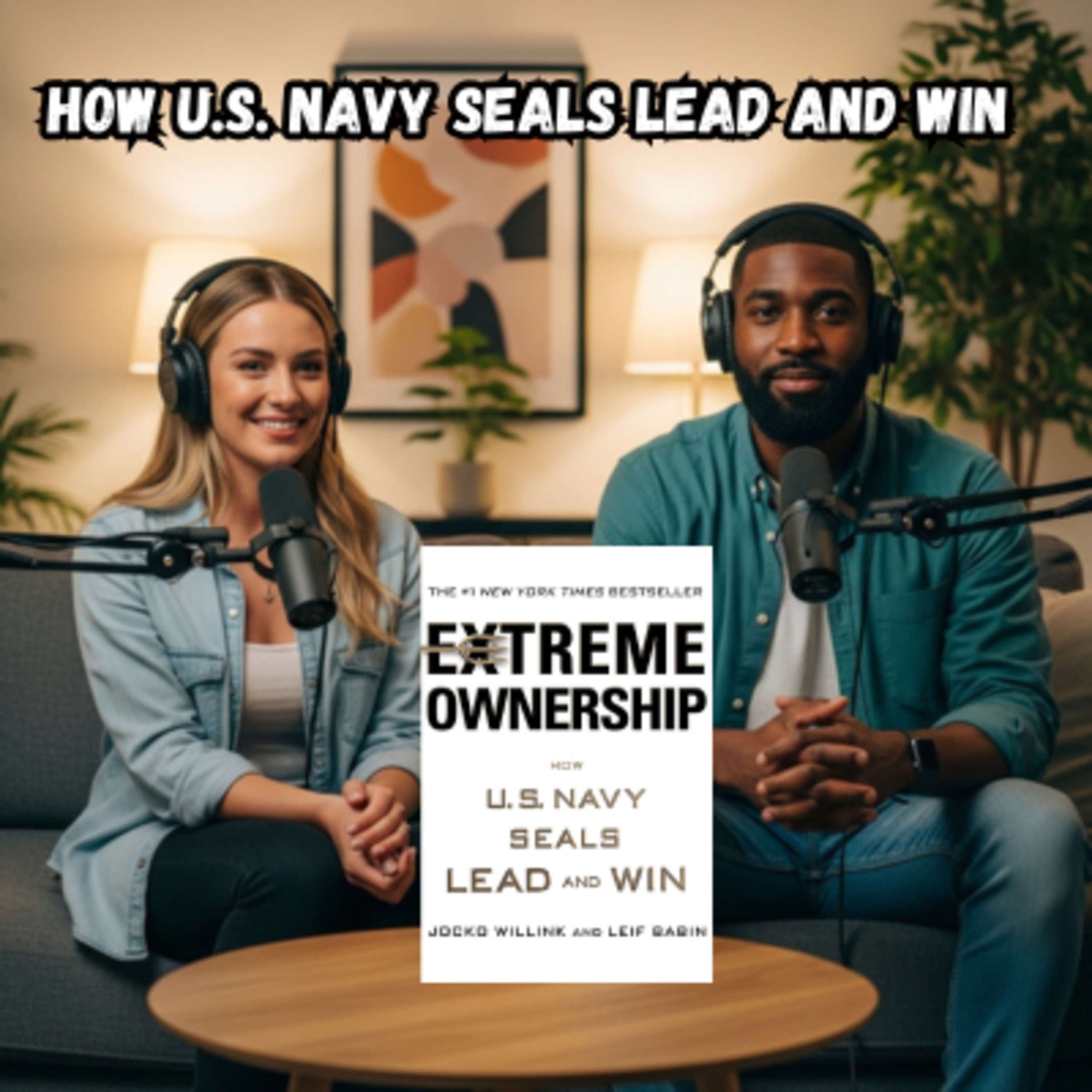
Leadership isn’t about rank, ego, or shouting orders—it’s about taking responsibility. In Extreme Ownership, U.S. Navy SEAL commanders Jocko Willink and Leif Babin share the combat-tested principles that helped them lead their teams through some of the deadliest battles in Iraq—and later transform the way businesses and organizations around the world operate.
In this episode, we unpack how lessons from the battlefield translate into the boardroom: from taking full ownership of failures, to trusting your team through Decentralized Command, to mastering the balance between discipline and freedom. You’ll learn why true leaders never blame others, never make excuses, and always find a way to win—together.
Because leadership, like combat, is simple but not easy.
All right. Ready to dive deep into extreme ownership? Let's do it. You know, it's already a game changer for a lot of people, but we're going beyond the basics here. Absolutely. Think of it like those aha moments you get, you know, yeah, when you're really deep into something. And it just. Clicks like, oh, that's how it works. Those tactical insights you can actually use. Yeah, I like that. We're talking leadership lessons from Davy Seals forged in combat. Intense stuff. But applicable to anything.
Right. And that's what's so cool about this book is like Willing and Babin take these extreme military situations and make them relevant to everyday life. It's true. Like leading A-Team a project, even just like managing your own To Do List. Oh, for sure. You know, crazy day. Yeah. The principles are surprisingly transferable. Totally, and they just jump right into it. Chapter 1. Extreme ownership. That's it right off the bat. But it's not just taking responsibility. Yeah, it's like radical responsibility.
It's a good. Way to put it. Like imagine you're taking ownership not just for your actions, right, but for everything that impacts your team success. Wow, everything. That's a lot. It is, yeah. And that's where that story about Jocko's mistake, you know, on the battlefield, really hits home for me. Oh, yeah. Owning up to a call that led to friendly fire. Oh man. Even though it could have ended his career. That's intense. It is, but it shows how true leaders build trust through that kind of accountability.
Like forget finger pointing, that just wastes time and energy. Moving forward. Exactly. You're stuck. Extreme ownership. Yeah. It just eliminates all the blame and fuels this relentless progress. So you're building a culture then of like no excuses where everyone's focused on solutions. And improvement, right? Which brings us to Chapter 2. No bad teams, only bad leaders. What a statement. Bold. But the more you think about it, yeah, the more it makes sense. Totally. So think of a sports team, OK with like, yeah, All Star players, right?
But a coach who can't? Who can't quite. Strategize. Yeah, yeah. They're never going to reach their full potential, right? Leadership can make or break a team, it's true, no matter how talented the individuals. Yeah. And you know what struck me? What's that? Is that these guys Willing and Babin, they're these tough as nails seals, right? But they're preaching the importance of humility. I know. It's like counterintuitive almost. Almost, yeah. It's like how? But they're saying, like unchecked ego, it blinds you to your weaknesses, hinders learning, and ultimately sabotages the team.
Totally. It's all about being open to feedback, learning from those mistakes. And creating that safe environment for people to, you know, take risks. So how do you create a team then? Good question. Where everyone is not just going through the motions, but believes in what they're doing. That's chapter 3. There it is, believe. And it's so much more than just like, Oh yeah, setting a goal. It's the why? Exactly understanding the why. Like that leaper purpose. And getting everyone on board with that.
It's like, think about those leaders. Yeah, who've inspired movements. Yeah, they radiated belief. It's true. It's. Contagious, right? So contagious. When the leader truly believes, yeah, that passion becomes the shared energy, Yeah, and that's what drives everyone forward. Absolutely. But then we come back to this idea of. Ego. Yeah, check the ego. It's a trap. It is. So many leaders fall into it. I've. Seen it first hand. Really. Oh yeah, when a leaders ego takes over, yeah it stifles communication, kills creativity.
And everyone's like walking on egg shells. Oh yeah, it's like this poison it is that spreads through the whole team. Right, but when leaders prioritize the mission. And the team? Yes, over their own pride. That's when the real magic happens. That's when you get the collaboration and the innovation. So we've got extreme ownership, OK? We've got humility, we've got belief. It's a good start. What's next in this seal recipe for a success? It's. Going to be teamwork. Of course, Chapter 5 no Cover and move.
Not just any teamwork, no, it's that. It's that. Great ride or die. Yeah, everyone's got each other's backs. Love that analogy of the cover fire so. Good. All teammates advance. It's just like different departments in a company, right? They need to support each other. Can't do it alone. To achieve that shared goal. And clear communication is critical for sure. Everyone's going to be on the same page they got. To know the plan right and how their actions fit in. Exactly so imagine high pressure situation, chaos erupting.
All around you. What do you need? Simple plan that's. It chapter 6. Simple. Simple. In those moments, yeah. Overly complicated plans, Yeah. Just fall apart. It's true. Like Humble? So Willing and Babin are saying yeah, simplicity is key to effective execution. Under pressure. Yes, it's about cutting through all the noise. The unnecessary stuff and. Just focusing on those core actions and it's. Going to drive the results. Think about the most effective plans you've encountered. OK, they were probably simple.
Probably. Yeah, easy to understand. Yeah, easy to communicate. Yeah, easy to execute. Most importantly, easy to execute. So we've got the clear plan, we've got the team. Ready to go? Egos are in check. Check. Check. Now what? Prioritize and execute. We got to move. All that planning, all that prep, means nothing if you don't take action. So it's like taking that mountain of tasks. And breaking it down, break it down into smaller steps. Manageable steps. What's mission critical? That's number one.
Get it done, do it, then move on. To the next one. It's like it's a cycle. It is. Prioritize, execute, reassess, repeat. Keep that momentum going so. You can make progress. Even when you're facing a ton of challenges. Now, what if you're leading a large team? OK, you can't micromanage everything, right? No way. That's where decentralized command comes in. OK, it's a big one. I like it. Giving those leaders, Yeah, at all levels, the authority to make decisions. Within their area. Right, but. This sounds like it could be chaos.
It could, but the key is balance. OK, you need a clear mission, well defined roles, yes, and that culture of trust. Where people feel empowered. Take initiative. It's not about giving up control, no, it's about like. Distributing it effectively. Yeah, that's a good way to put. It so the team can operate. With agility. Yes. Responsiveness. So they can make those decisions, yeah, closer to the action. Where they have all the information, right. So we've talked about ownership, humility, belief, teamwork.
We've covered some ground. Simplicity. Prioritization. Yeah, decentralized command. A lot. What holds it all together? Plan. Of course, Chapter 9. It's not just a static document, no, it's a dynamic process. It's got to be. With input from all levels. Yeah, anticipating those setbacks. Right. And being able to adapt. Because things change. Constantly. No plan survives first contact. Right, exactly the enemy. That's what separates the could teams from the great ones. But sometimes you have to make those tough calls even when you don't have all the information.
That's leadership. Chapter 11. Decisiveness amid uncertainty. It's about having the courage. To act. Even when. You don't have all the answers. That's where the 70% rule comes in. 70% of the info, 70% understanding of the risks, 70% confidence. Then it's time. Got to make a call waiting for that perfect information. It just leads to missed opportunity. Oh, absolutely. And bigger problems down the line. You're going to make mistakes. Oh yeah, you're going to make the wrong call sometimes. You own it.
Own it. You learn from it, absolutely, and you adapt. It's all about that process. And all this talk about like ownership, planning, decisiveness, right? Makes it sound like. Like it's all grit. Yeah, willpower. But there's another element. Oh, OK, that they emphasize. Who is it? It's chapter 10, OK leading up and down the chain of command. So it's recognizing that leadership is. A two way St. Yeah, it's influence those above you and those below you. It's. Not just telling people what to do. It's about building those relationships.
Yeah, communicating clearly. And inspiring people to do their best work. So leading up OK is about understanding your superior's needs, right? Giving them the info they need. To make good decisions. And offering solutions. Not just problems. And leading down Yeah is empowering your team. Giving them clear direction. Creating that environment where they feel valued and supported. It's a balancing act, It is, but it's so essential for creating the. Cohesive team. Where everyone and is empowered to contribute.
So we've covered a lot of ground here. We have extreme ownership, humility. We did belief, teamwork, Yeah, simplicity, planning, hit them all, decisiveness. It's a lot leading up and down the chain of. Command it is and you might be wondering how does this all translate into? Practical action. Yeah, like what can I do? Right. How do you as the listener take these principles? Apply them to your own life? And work. Exactly. And that's what we're going to get into. I like it in the next part. Tactical takeaways.
Those specific strategies I'm ready. You can use. Let's do it to become a more effective leader. Stay tuned. We'll be back. With more extreme ownership. More insight. Back again for more extreme ownership. Round 2. We've laid out the battlefield so to speak. Now it's time to get tactical. Let's do it so you're in the trenches facing a real world challenge, maybe a projects gone sideways. Happens all the time. Or your team's just lost that spark. Yeah, yeah. Where do you even begin to apply these principles?
It can be overwhelming, right? It can be but. Remember, extreme ownership starts with you. OK, back to basics. Take a deep breath, OK? Ask yourself, yeah, what's my role in this situation? Good question. Where can I step up and own more? Even if it's seeds outside my control. Even then, there's always something you can do. To influence the outcome. Exactly. So it's like shifting from that victim mindset to a proactive one. Yeah, and powerful. No more blaming external factors. Right. Forget the client.
Mercury in retrograde. Yeah, exactly. Focus on what you can control. OK. And that starts with, yeah, being honest with yourself, your contribution to the problem. It's got to be tough. It is, but it's necessary. I bet that resonates with a lot of people. It's easier to point fingers. Than look in the mirror. But extreme ownership, yeah, is about rising above that. Okay, so I've taken ownership. Okay, no. Remember that belief piece? Belief, right? If you don't have faith in the mission. Or the team.
It's tough to inspire others to. Follow your lead. Belief is contagious. I've seen that. When you genuinely believe it shows up in everything you do. Your actions. Your words, your energy. So I'm taking ownership, OK? I'm radiating belief. Good. Now I'm looking at my team, OK? And it's a mix, you know? You get your rock stars and those who need some coaching. This is where no bad teams, only bad leaders. Comes into play. Your team's performance, yeah, it reflects your leadership. So if someone's not performing.
You gotta figure out why. And address it. It's on you. So I don't give up on them, No no or write them off. Understand their strengths and weaknesses, OK? Give them clear expectations. Coach them up. Support them. That sounds like. Sometimes it's tough conversations, yeah, maybe delegating differently. So it's going to restructure those roles. But it's about getting the best out of your team. I. Think a lot of leaders, yeah, struggle with those tough conversations. Especially if they don't like conflict.
It's not easy. But it's necessary. And remember. Check the ego, always. It's not about being right, it's about doing what's best. For the team. And the mission? OK, so I've done all that. You've taken ownership. Yeah, you're leading effectively. But we're still facing challenges. Things are changing rapidly. It's the world we live in. How do we prevent ourselves from getting overwhelmed? That's where prioritize and execute comes in. Chapter 7. Break it down. Manageable steps. Focus on the most critical task.
Get it done. Then move on to the next one. Order out of chaos. Maintaining that momentum. Even when things are spinning. And don't forget, yeah, cover and move. Leverage the strengths of the team. They'll make sure everyone knows their role. And support each other. That's key. We're not in this alone. And decentralized command. Yes, yeah, empowered. Team, they can adapt faster. Respond to those challenges. But you need that foundation of trust, right? Shared understanding. Everyone's aligned. On the mission and their roles.
So extreme ownership, yeah, it's an ongoing process. Exactly. It's for constantly assessing, adapting function. It's a mindset. It is a way of approaching challenges. And a commitment to improvement. OK, but sometimes you get bogged down. In the day-to-day, you're just reacting. Putting out fires. And you forget to look for the source. That's where planning comes in. Chapter 9 Plan. Even when you're overwhelmed. Take the time define your goal. Anticipate the obstacles. Create that road map for success.
But it's not about. Sticking to it rigidly. No, no. Things change. Things rarely go according to plan. That's why you need to be adaptable. Extreme ownership is about adapting. Your plan should be a living document. Constantly revisit it based on this situation. So we have a destination. Yes. But we're flexible about the route. And involve your team. Yeah, get everyone involved. They'll buy into it more. Shared ownership. Accountability. OK, so we've got the plan. You got the team. We're making progress.
But then, yeah, you need to make a tough call. With limited information, it happens. That's a test. The pressure. 'S on. We got to make a decision. And you don't have all the. Answers the 70% rule. Decisiveness amid uncertainty. It's about finding that balance. Between overthinking. And recklessness. We've gathered the information. You understand the risks. You're confident? Make the call. Sometimes you just got to trust your gut. And be prepared to adapt. Extreme ownership. It's not about being right all the time.
It's about taking responsibility moving forward. But how do you keep your energy? Up as a leader? When you're facing setbacks. Because if the leaders burned out. Yeah. It's tough to inspire the team. It all boils down to belief. That unwavering belief. In the mission, in yourself and your team. It sounds simple, but it's. Powerful. When you believe. You have the strength to push through. The tough times. And belief, Yeah, it's contagious. The best leaders I've seen. They have that energy. They. Radiate belief.
It inspires everyone around. Them that confidence. It's authentic. Grounding that. Arrogance. It's knowing your strength. Owning your weaknesses. And striving to be better. But how do you cultivate that? Especially when you're doubting yourself. Yeah, it starts with your. Why? Why am I doing this? What impact do you want to make? What legacy? Tap into that purpose. Set North Star. To guide you through the rough seas. And you don't have to go it alone. Surround yourself with the right people. Who believe in you?
Support your vision. Challenge you? Find those mentors. Colleagues. Friends. Who lift you up? Remind you of your potential. When you're doubting yourself. That circle of support. It's so important. Your tribe. And remember, yeah, extreme ownership isn't just about achievements. Now it. Was about personal. Growth. Becoming a better leader, teammate, a more resilient person. Taking ownership of your life. Your choices. Your impact? It's about stepping up. Embracing challenges. Leading with courage.
Integrity. Commitment to excellence. If you're ready for that journey, pick up the. Book. Dive deep. Start putting these into action. Those small steps. They create a ripple effect. That can transform your life. And the lives of those around you. So what are we waiting for? Let's get into the final part. Of our extreme ownership deep dive. We'll talk about staying motivated. Resilient. Focused on the mission. Even when things get tough.
Welcome back to the Deep Dive. Final round. We've unpacked all the core principles of extreme ownership. All those battle tested strategies. I'm leading with courage. And conviction. But now we got to talk about putting this stuff into practice. This is where the rubber meets the road, right? Exactly how do we actually use this? In our daily lives. So let's give our listeners, yeah, some tactical takeaways. Those actionable Nuggets that. They can use today. Starting right now. Where do we begin?
Well, let's go back to decentralized command, OK? It's so powerful. For building a team. But it takes a conscious effort, yeah, to let go of some of that control. I think that's a hurdle for a lot of people it. Is it can be really tough. To trust your team to make decisions. Especially when you're used to doing it all yourself. Yeah, without, you know, looking over their shoulder. But that's where the magic happens. OK, I'm listening. You got to start identifying areas where you can delegate more responsibility.
Give people the autonomy. To own their projects. Beginning to. End exactly. But what if they don't have the skills or experience? That's where you come in as the leader, right? You got to set those clear expectations, provide the training and resources. Either to support. Them and establish that open communication. Where they can ask for help. When they need. It so it's not just about dumping tasks on them, no, it's about setting them up for success. Exactly. Think of yourself as a coach I like, not a micromanager.
Yeah, you're there to guide and support. Not dictate. Which brings us to communication. Oh yeah, so important. Decentralized command only works. If everyone understands the mission. And their role in it. You got to have those regular check insurance. OK, not to micromanage though. No, no, no, right. But to make sure everyone's aligned. To address any roadblock. And to celebrate, wins. Yes, celebrate those wins. So we've empowered the team, OK, They're clear on the mission. But the challenges keep coming.
That's life, right? Things are always changing. We need to be able to make those tough calls. Even with limited information. This is where the 70% rule comes in handy. OK, tell me more. It's about finding that sweet spot. Between. Overthinking and recklessness. OK, got it. You've gathered enough information, you understand the risks. You're confident? It's time to act. Sometimes you just got to go for it. You'll never have all the answers. And waiting can lead to missed opportunities. Exactly. Be willing to adjust.
If you need to. Extreme ownership is about adapting. Learning and refining. So this all takes a lot of energy. It does. How do you stay focused? And motivated as a leader. Especially when things get tough. Yeah, because if the leader is burned out, right, no one's going to follow. This is where that unwavering belief comes in. In yourself. In your team in the mission. It fuels you. It gives you the strength to keep going. I've noticed that the most effective leaders, yeah, they just have this energy.
They radiate belief. It inspires everyone around. Them it's that authentic confidence ground knowing your strength I. Mean your weaknesses. And always striving to be better. But how do you cultivate that? Belief you're facing self doubt. Yeah, when you're discouraged. You got to connect with your. Why? Why am I doing? This what impact do I want to have? What's my legacy? Tap into that. You're North Star. It'll guide you and. We don't have to do it alone. Surround yourself with the right people. People who believe in you.
Who support you? Who challenge you? Find those mentors. Colleagues, that circle of support. Your tribe. So important. And remember, extreme ownership isn't just about external achievements, right? It's about personal growth. Becoming a better leader. A better teammate? A more resilient person. It's about taking ownership of your life. Your choices. Your impact on the world. It's about stepping up. Embracing those challenges. Eating with courage and integrity. Committed to excellence. So if you're ready for that journey.
Pick up the book. Extreme ownership. Dive deep into these concepts. And put them into action. Those small steps. They make all the difference. They can transform your life. And the lives of those around you. This has been an incredible journey it has exploring extreme ownership. So many insights. We hope you're feeling inspired. To lead with courage. To own your outcome. And to make a positive impact. Thanks for joining us on the Deep Dive. We'll see you next time.
 Apple Podcasts
 Castbox
 Castro
 Goodpods
 Moon FM
 Overcast
 Pocket Casts
 Podbean
 Podcast Addict
 Podcast Republic
 Spotify