Seven Steps for Fearless Stakeholder Feedback | Fearless Feedback by Amy Kosterlitz, Kathleen Marron, Kelly Ross, and Lori Siegworth
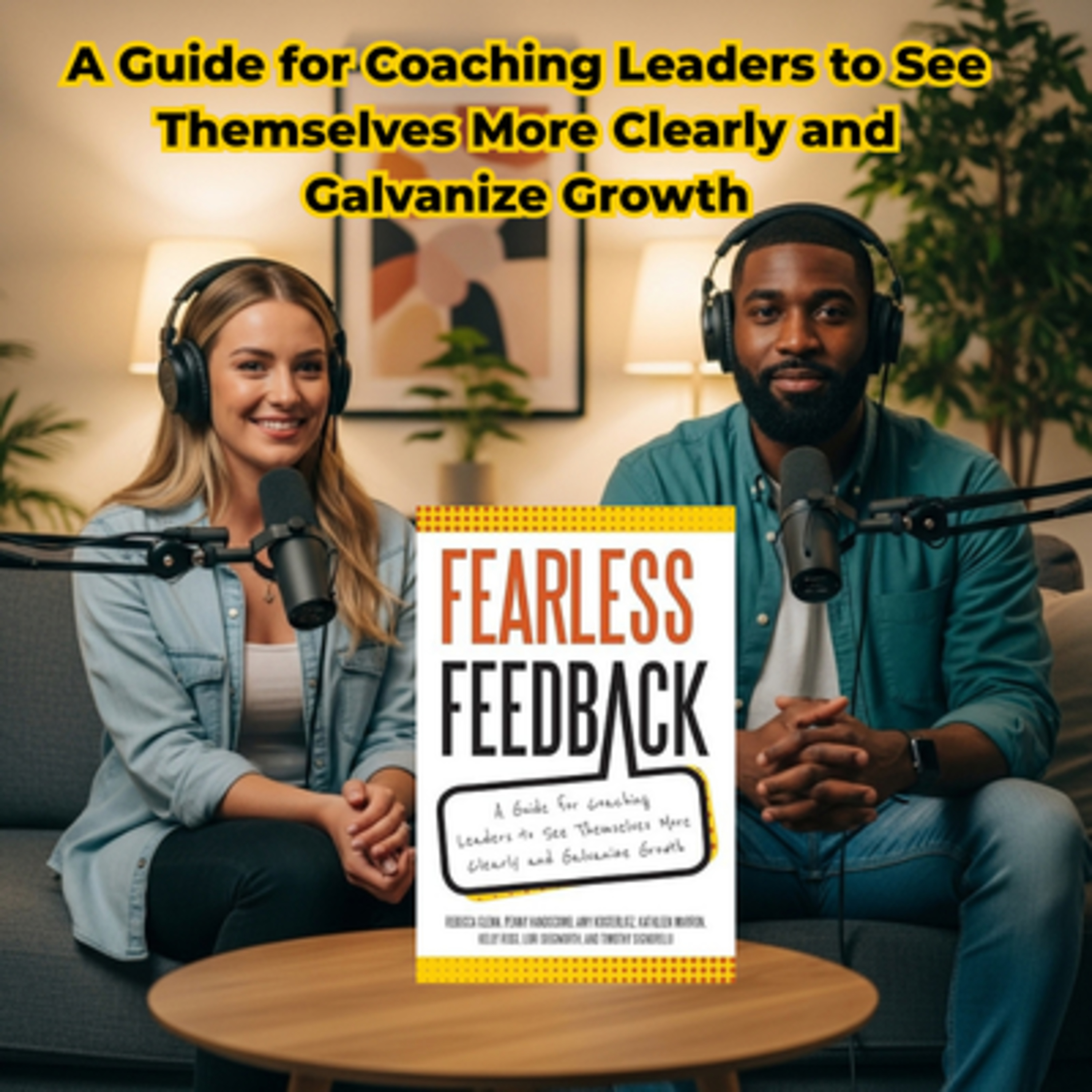
Do you seek a feedback process that can be tailored to equip leaders to accomplish their professional goals? Do you need a practical guide for mining stakeholder feedback and framing it in ways that make leaders hungry for the insights? Are you tired of being constrained by cookie-cutter 360-degree feedback tools used in organizations, tools that can be tone deaf to the underlying emotions? Do you wish you could uncover the fears which inhibit the change a leader needs, so they can design actions for future growth? Then Fearless Feedback is your answer! Among many things, this book provides: A practical seven-step framework on how to structure stakeholder feedback for leaders; An actionable guide with specific dos and don’ts;Intriguing dialogue between coach, leader, and stakeholder (articulating the unspoken thoughts and underlying emotions); andTested techniques, tips, tools, and templates!
This text outlines a systematic leadership strategy designed to help professionals solicit and implement stakeholder feedback through a structured eight-step framework. The process begins by defining clear objectives and aligning them with broader development goals to ensure the information gathered is both relevant and actionable. Leaders are encouraged to meticulously plan logistics, emphasizing the importance of participant anonymity and organized data collection to foster honest communication. Following the research phase, the framework details how to analyze findings and present them in a way that respects the recipient’s preferences and timing. Ultimately, the guide focuses on the collaborative creation of a growth plan, allowing leaders to transform criticism into a visionary path for long-term professional improvement.
#productivityhacks #personaldevelopment #successstrategies #businessinsights #leadershipskills #leadership #ambitiousprofessionals #businesstips #self help #scaling business #businesstactics #professionaldevelopment #startupgrowth #entrepreneurship #businessmindset #growthstrategies
Welcome back to the Deep Dive O. If you're here, you're probably looking for a shortcut, a way to get a really clear and thorough handle on using stakeholder feedback effectively. Right, without having to read hundreds of pages of management theory. Exactly. And that's what we're here to do. We've been going through the Fearless Feedback Leadership Framework by Amy Kostolitz, Kathleen Marin, Kelly Ross and their team. And what I love about this framework is how it takes something that's usually, you know, messy and full of anxiety.
Oh, absolutely. And it turns it into this structured, repeatable 7 step system. It's a huge mental. Shift it is. The whole foundational idea is that feedback isn't just some, you know, magical gift that you get once in a while. It's a skill. Like any other skill. Like coding or playing an instrument, it takes repetition and more than anything it needs structure. This framework gives you that structure. And even before we get to Step 1, the authors make it really clear that leaders have to clarify 2 things right up front.
First, what is your purpose? I mean, why are you even asking for comments in the first place? Is it for a general performance check in or something really specific? Exactly like how you handle conflicts, yeah. And 2nd, and this is so important, is that structure matters from the jump. You can't just send out a vague e-mail asking how am I doing. No, you need specific goals, a hand picked group of people, and an actual strategy for how you're going to ask. That's the real difference between getting, you know, vague good jobs and getting actual actionable data.
So if a leader thinks there are communication problems for example. You don't just ask about communication. It's way too broad. The pre work here forces you to get specific. Something like I need feedback on the clarity of my quarterly messaging to the dev team. That initial focus, it sounds like it saves the whole process from failing later on. It does. OK, let's unpack this. Let's dive into the official framework, starting with the what and the why. So step one is determine the goal of stakeholder input.
If you skip this, or if your goal is even a little bit fuzzy, you just risk collecting mountains of data that are, well, totally irrelevant to your growth. You called it organizational whiplash earlier. I like that. Yeah, that's what it is. You're basically asking what precise outcome are we trying to get here? OK, let's use that project manager example. If they want to improve teamwork, they need to drill down. Is the goal to boost efficiency numbers? Or is it about morale because the team is burnt out?
Or maybe it's to fix a specific ongoing fight between two departments. Each of those goals leads to a completely different set of questions and a different set of stakeholders. And it's crucial, then, to connect that goal to the bigger picture. Absolutely, the framework is very firm on this. The purpose of the feedback has to align with your bigger long term development objectives. Otherwise you've just wasted everyone's time. You've gathered academic trivia instead of operational intelligence. It's useless.
That makes so much sense. So once that Y is solid in step one, we move to Step 2, which is arranging the feedback engagement. Right from the internal motivation to the external planning. And this is where we get into the practical, I'd almost say protective steps. You need to get truthful input because that's where this usually falls apart, right? It is. This is the prep step and it requires mastering 2 key strategies. The first one is non negotiable. Which is sure. Confidentiality. You have to build absolute trust.
Leaders have to make it crystal clear that participants answers will have 0 bearing on your job, their status, their future at the company, nothing. I think the key insight there is that bad data is actually worse than no data at all. Yes, if people don't believe you on confidentiality, you're not just getting less feedback, you are getting actively misleading feedback. People will sanitize everything, they'll tell you what they think you want to hear, and that just guarantees the whole thing fails when you try to act on it later.
It's a trust exercise. It's everything. The framework treats it like a logistical necessity, not some soft skill. OK, so confidentiality is #1 what's the second piece of planning in Step 2? Deciding on a time frame, you have to establish a precise schedule. A start date and an end date. Exactly for gathering and for analyzing the input. That simple step stops the process from just dragging on forever, which leads to fatigue and makes the whole thing feel less important. OK, so once that foundation of trust and time is set, we move to the real execution.
Step three, manage process and logistics. This is the day-to-day making sure it all runs smoothly. And this involves a couple of really tactical decisions, right? It's all about how you collect and preserve the data. That's right. First you determine the mode of the interview. You have to pick the format that fits the stakeholders and the kind of information you need. So an online survey for a lots of quantitative data maybe? For sure, but if you need nuanced, sensitive feedback about, say, a personal conflict, you probably need a one-on-one in person meeting.
It's about using the right tool for the job and the second decision. Is establishing a clear, consistent note taking procedure. Consistency is key. It's paramount whether you use a digital recorder or just pen and paper. The process has to be the same for everyone, so nothing gets lost or misinterpreted when you move into the analysis phase. Got it. So once the logistics are locked down in Step 3, all that planning is kind of pointless if the actual conversations don't produce anything useful. Exactly, which is why Step 4 is arrange and manage interviews.
This is the heart of the interaction. This is where you actually talk to people. And the framework really stresses the need for a clear, detailed structure for those talks. You need to plan your questions, know your opening and closing, and have a consistent way to handle it when you know sensitive topics come up. Right, because if you're asking about say a team building event and you don't have a structure. You'll just get random stories about the food instead of real insights on team cohesion.
The structure keeps the conversation focused on the goal from step one. And there's another key part of this step, a communication piece. Yes, the interim leader update, this is huge. It means you proactively keep the leader in the loop on how the feedback gathering is going. You pass along any new non sensitive insights right away. That keeps the leader engaged, manages their expectations, especially if the feedback is pointing somewhere they didn't expect. So once all the interviews are done, we move to Step 5, which is prepare the stakeholder feedback report the synthesis part.
This is where we sift through everything we've gathered. The first action is pretty straightforward, but vital. Analyze the data you're looking for. Recurring themes, emerging patterns, Anything noteworthy that stands out from the noise? I get that, but a huge roadblock here is always confirmation bias. Leaders see what they want to see. How does this framework deal with that? That's a great question. The power of this structure is that by sticking so strictly to the goal from step one and the questions from Step 4, you force the analysis to be objective.
You're not looking for feelings, you're looking for quantifiable patterns that link directly back to the original objective you set out. So it holds the analyst accountable to the purpose. OK. And the second action in Step 5 is about making sure the report is actually usable. Yes, you have to take reporting preferences into consideration. Some leaders just want a quick summary, maybe some graphics, the highlights exactly. Others might need a deep, detailed report with raw quotes. Delivering the information in the format they can best absorb is critical for them to actually adopt it.
The format and the timing of that delivery, it's everything. Which brings us to, I guess, the moment of truth. Step 6 Have a leader debriefing. The goal here is delivering that criticism constructively, but the biggest challenge is always managing the leaders defensiveness. How does the framework tackle that? It addresses it head on, starting with timing. You pick the right time to deliver the report. Not when they're stressed about a deadline. Not right before vacation. You wait until they're actually capable of processing potentially difficult news.
You're setting the stage for engagement, not for a fight. And during that meeting, the very first thing you do is re examine the goals from step one. You remind the leader why this was done, how it supports the growth objectives they identified. That reframes the whole conversation. Completely. It shifts from here's where you failed to here is the road map to get to that goal we set together months ago. It makes the data a tool, not a report card. That's a powerful psychological shift, and it leads right into the final and maybe most important step, Step 7, Co create development plan.
This is the payoff. We're not just dropping off a report and running away. No, you're building an action plan with a leader that creates ownership. This is where the rubber meets the road. It is, and the first step in drafting that plan is to start with their vision, their lofty long term objectives. You have to make sure the growth plan aligns with their overall career goals so they are personally invested so they have skin in the game. So it doesn't feel like a punishment, it feels tied to their own ambition.
And finally, you have to decide which focus areas to concentrate on. You can't fix everything at once. Never based on all the input. It is always better to focus on a few key areas instead of trying to tackle every single issue. It's like trying to run 20 programs on your computer at once. Everything just freezes. You have to ruthlessly prioritize the two or three things that will have the biggest impact. You know, this whole fearless feedback leadership framework, it's really remarkable. It turns this vague, scary idea of getting feedback into a structured Sevenste machine.
It's designed for alication and for accountability. The whole process from that first bit of clarification in step one, through the trust building in Step 2, all the way to Co creating that focus plan in step 7. It just ensures the feedback is practical, useful and most of all actually actionable for the leader. For sure the value for you listening is a clear step by step way to get, analyze and apply feedback. It helps you avoid that feeling of being totally overwhelmed by information and remember that final insight.
The giving and getting feedback is a skill. It takes repetition. So you know now that clarifying your purpose and building that structure is the foundation. It's step one. And since mastery requires repetition, maybe here's a final thought to take with you. OK, think about one simple, very low stakes area of your work right now. You could be how you ran a meeting last week, or how you explained a task. And just ask yourself how could I apply only the principles of step one to that? Just to practice the mechanic.
It's just to practice. Clarify a purpose for getting input, set a tiny time frame and think about confidentiality. Start building that skill now.
 Apple Podcasts
 Castbox
 Castro
 Goodpods
 Moon FM
 Overcast
 Pocket Casts
 Podbean
 Podcast Addict
 Podcast Republic
 Spotify