Getting to Yes: Negotiating Agreement Without Giving In
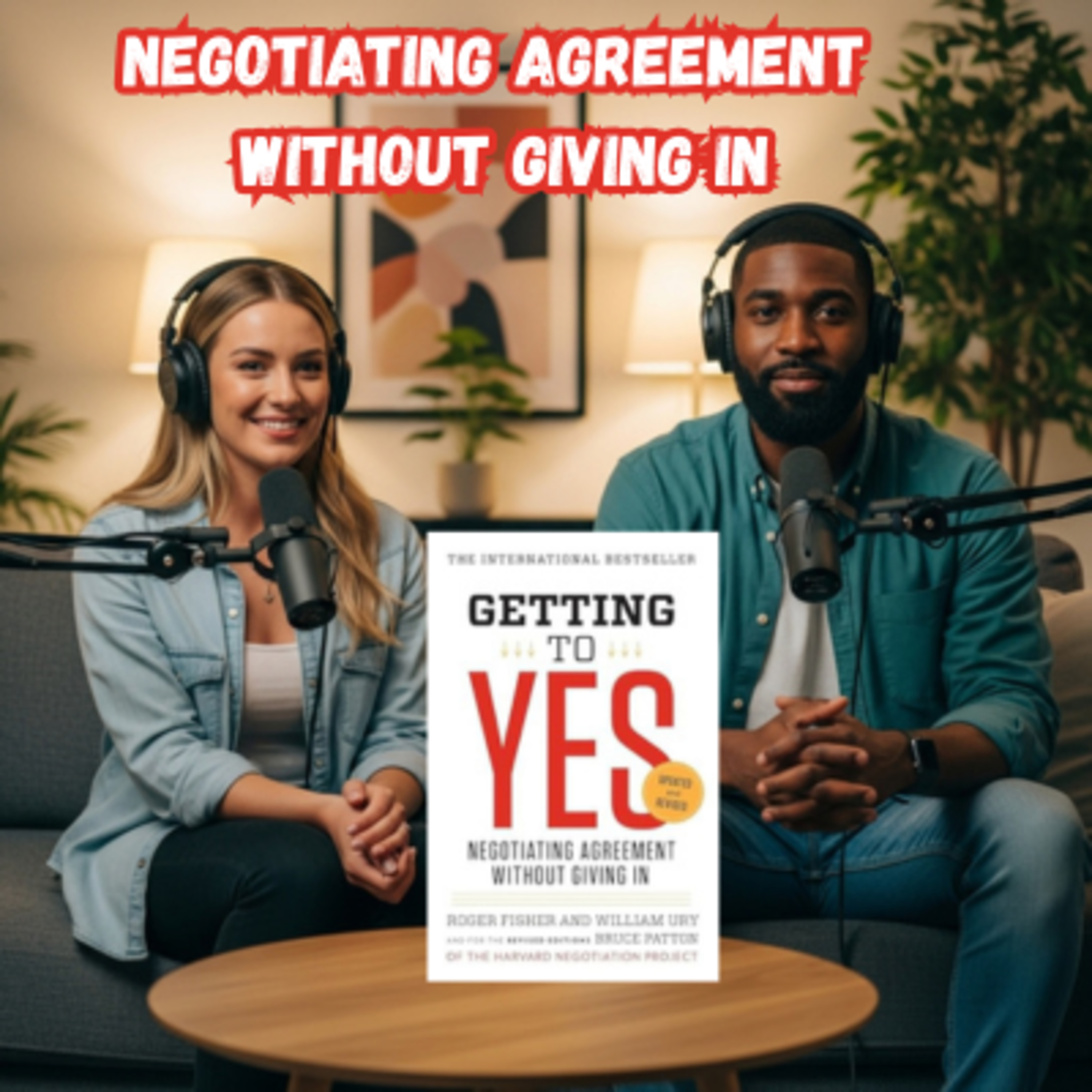
Most people think negotiation is about arguing harder, winning at all costs, or forcing the other person to give in. Getting to Yes rewrites that script. Built on the work of the Harvard Negotiation Project, this classic shows you how to reach agreements that are fair, wise, and sustainable—without manipulation, aggression, or losing your values.
In this episode, we break down the core principles of principled negotiation: separating people from the problem, focusing on interests instead of rigid positions, inventing creative options for mutual gain, and insisting on objective criteria. Whether you’re dealing with a landlord, employer, client, partner, or family member, you’ll learn a calm, structured way to move from conflict to collaboration—and get to “yes” without feeling like you’ve lost.#GettingToYes #RogerFisher #WilliamUry #BrucePatton #BookTunez #NegotiationSkills #ConflictResolution #LeadershipSkills #Communication #WinWin #HarvardNegotiationProjectIf this episode helped you see negotiation differently, follow BookTunez for more powerful, practical insights every week. 🎧
Share this with someone who hates confrontation—and show them there’s a smarter way to reach agreement.
Because real power at the table isn’t about shouting louder; it’s about negotiating wiser.
OK, so Are you ready to dive into a book that's basically like the Holy Grail of negotiation? You mean getting to? Yes. Yeah, I mean, everyone's talking about it, you know, turning those, you know, those tough negotiations. Those nail biter. Yeah, those nail biters, turning them into something, you know, that works for everyone. It really does kind of flip the script on how we think about negotiating. Right. OK, so the first chapter bam right out of the gate. Don't bargain over positions. They make a great point, right?
It's such. A classic trap, isn't it? Like that tug of war, just pulling harder and harder and getting nowhere. Total recipe for frustration. They have this great example about buying a car. Imagine you're haggling over the price, but you're both so focused on that number you miss out on what really matters. Like what? Like maybe the sellers got a quota to meet and you're really concerned about safety features. So if you just focused on the price, you'd miss that opportunity, right? Exactly. Getting to yes is all about uncovering those hidden desires, the underlying interests, the why behind the what you know.
OK. So it's like detective work. You get to dig a little deeper. I love that. Exactly. OK, so then chapter 2, separate the people from the problem. Oh, this one's a good one. Like when they talk about trying to play soccer with a flat ball. Oh yeah, so visual, right? When emotions take over, it's like you're just kicking air. Right, No progress at all. And think about those classic roommate arguments. You know the dishes are piling up. Instead of blaming your roommate, maybe there's something else going on.
Maybe they're sick. Yeah, sick or swamped with work? Suddenly it's not about laziness, it's about finding a solution. OK, so it's about understanding, not blaming. Right, totally. And how do we do that? Well, the book says clear communication is key, but we also need to like, check our own baggage at the door and try to see things from their side. It's all about emathy. And that takes us to Charter 3, right? Focus on interests, not positions. Building on that whole separating the people thing. It's like peeling back those layers like an onion, get to the heart of what's really going on.
It's like that classic example of teenagers wanting a later curfew, right? Stuck on wanting to stay out till midnight. Parents are firm on 10:00 PM. But what if the parents real concern is safety? OK, so if the teen can address that, maybe by agreeing to check in, that midnight curfew might be negotiable. See, now you're talking. It's not about butting heads, it's about finding common ground. OK so then chapter 4. This is where it gets fun. Invent options for mutual game. Time to ditch that my way or the highway attitude.
I love this one. It's like unleash your creativity right? Think outside the box. OK, so they use the example of a family trying to decide on a vacation. Half one mountains, half one beach. Sounds impossible, right? Until someone suggests like a lake, you get your hiking and you're swimming, everyone's happy. It's not compromise, it's synergy. Everyone wins. This is. Brilliant. I know. Right? Now things get a little real in Chapter 5. Power Dynamics. The title kind of says it all. Insist on using objective criteria.
Oh. Yeah, because let's face it, sometimes those negotiations can feel like a total power struggle. Totally. But here's the game changer. Instead of relying on gut feelings, you bring in objective data. OK, so like if you're asking for a raise, you don't just say I deserve more money. Right, you come armed with data, industry standards, your performance reviews, the company's financials. So it shifts the debate from subjective opinions to solid evidence. Exactly. It levels the playing field even if you feel like you're up against.
Goliath No. Chapter 6 This is the one that keeps me up at night. What if they are more powerful? That feeling of uh oh, I'm in trouble. But don't despair, this chapter introduces us to the magic of bad TNA. Bad TNA. Your best alternative to a negotiated agreement? It's like your Plan B, that safety net that gives you the power to walk away from a bad deal. OK, so like, let's say you're buying that car. If you've already got other offers, you're not as desperate to make this one work, right? You got it.
Knowing your BA teenage gives you leverage. So it's all about knowing your options. This is empowering stuff. OK Chapter 7. Sometimes things get a little messy. What if they won't play? Use negotiation to jiu jitsu. This is where things get strategic. Yeah, like using their energy against. Them exactly. Imagine you're selling that car and someone hits you with a ridiculously low offer. The worst. Instead of getting angry, you say something like help me understand how you arrived at that number. So you're not attacking them, you're making them justify their position.
Right, and that can often expose flaws in their logic or open up a new Ave. for discussion. So negotiation Jiu jitsu is all about staying calm and turning that negative energy into something productive. Exactly. I like it. OK, last one for this part of our deep dive chapter 8. What if they use dirty tricks? Because let's be real, it happens. All the time, the extreme demands, personal attacks, all that pressure cooker stuff makes me cringe just thinking about it. Right, but the book gives us a framework for handling this.
OK, so first you got to recognize the tactic, right? What are they actually doing? Are they trying to mislead you? Yeah, or maybe it's a cultural thing and they don't even realize it's coming across as a dirty trick. That's a good point. So many potential misunderstandings. Right, so once you've identified the tactic, you call it out calmly and diplomatically. And then this is important. You don't stoop to their level. Don't fight fire with fire. Stay true to those getting to Yes principles. Focus on the big picture.
A fair and respectful agreement. Exactly. OK, so that's a wrap for the 1st 8 chapters of getting to yes. Lots to unpack, right? We've barely scratched the surface. Stay tuned for Part 2 of our deep dive, where we'll explore even more strategies. We'll be tackling those real world dilemmas, those moments where you're like, wait, how does this actually work in practice? Get ready to level up your negotiation game. We'll see in Part 2. All right, welcome back to the getting to yes deep dive. So last time we kind of laid the foundation.
We. Got those core principles down? Right. But let's be honest. Sometimes, you know, those negotiations get a little messy. Yeah, messy. And this book doesn't sugarcoat it. You know it gives you the tools to handle those tough situations. OK, so let's jump right into Chapter 9. This is juicy one. Should you use threats? I mean, it's tempting sometimes, right? Just lay down the law. Oh I know that feeling, but the authors of Getting to Yes are pretty clear on this. Threats almost never lead to a good outcome.
It's like you might win that battle but lose the war. Exactly, you might force them to back down, but it damages the relationship, the trust. OK, so if threats are off the table, what's the alternative? How do you get your point across without resorting to, you know, strong arm tactics? It goes back to that principled approach, right? Focus on building a relationship, understanding their interests, and finding solutions that work for everyone. So, collaboration over coercion. Exactly. Now, Chapter 10 tactics.
This is where we get to the nitty gritty, the practical. Stuff like the Getting to Yes toolkit. Exactly. And the key here is adaptability. There's no one-size-fits-all approach. You got to read the room, you know, Adjust your strategy as you go. Be like water, right? Flow around those obstacles, yes. And a big part of that is active listening, not just hearing the words, but really understanding where they're coming from, picking. Up on those little cues, the body language, the tone of voice. Absolutely.
And asking good questions, you know, clarifying things, probing a little deeper, Sometimes just saying tell me more can unlock a whole new level of understanding. OK, so then Chapter 11 introduces this the one text procedure. This is. Brilliant. At first I was like, what? But then it all clicked. Right. It's like a safeguard against misunderstandings, especially in those complex negotiations. So instead of relying on memory or like scribbled notes, you have this one document. And everyone contributes to it, everyone agrees on it.
No room for ambiguity. I like that clarity is key. Totally. OK, OK, Chapter 12. This one's all about saving face. It reminds us that negotiation isn't just about the deal, it's about the people. Nobody wants to feel like they've been humiliated, right? Right, and that can lead to all sorts of problems. So how do we help the other side save face? Well, it starts with acknowledging their perspective, even if you don't agree with it. It's like saying, I hear you, I get where you're coming from. Exactly.
And sometimes it's about getting creative, you know, finding a way to frame the agreement so it feels like a win for everyone. Making them feel good about the outcome. Yes. OK, now chapter 13 dealing with governments. This one might seem a bit niche. Yeah, not everyone's negotiating with governments. True, but it offers some really interesting insights into those high stakes multi party negotiations. Like a whole different ball game. Totally. You're not just dealing with one person, you're navigating a whole web of stakeholders, each with their own agendas.
OK, so then chapter 14 the problem. This is where they get real about the challenges of negotiation. Yeah, they layout those classic pitfalls we all fall into sometimes. Arguing over positions instead of interests, getting caught up in emotions. That whole I have to win mentality. Those little gremlins in our heads. But the good news is getting to yes gives us the tools to fight those gremlins. OK, and last but not least, Chapter 15, the method. This feels like the grand finale. It is they bring it all together.
They. Lay out a clear framework, a road map, for applying these principles in any negotiation. And it boils down to four simple but powerful steps. Separate the people from the problem, focus on interests, invent options for mutual gain, and insist on using objective criteria. Wow. So simple yet so profound. I know, right? It's a reminder that even in those heated moments, we can choose to approach the negotiation with a spirit of collaboration. Finding solutions that work for everyone. Exactly.
OK, so we're back for the final part of our getting to, yes, deep dive. We've covered a lot of ground, but I bet there's still some lingering questions. Oh, absolutely. Putting these principles into practice, you know it's not always easy. Right. So the authors actually anticipated this. They have a whole section called 10 Questions People Ask about getting to yes yes. It's like they were reading our minds. Totally. OK, so first up, what if they are more powerful? You know that feeling when you're up against a Goliath?
We've talked about this, but it's worth repeating. Your BTNA is your best friend in these situations. Right, your best alternative to a negotiated agreement. It's like knowing you have options gives you the power to walk away. Exactly. It's not about bluffing, it's about having genuine alternatives. OK, so then there's the classic what if they won't play? You know those people who just refuse to do the getting to yes thing? Ah yes, the hardball players. Well, that's where negotiation Jiu Jitsu comes in.
Use their resistance against. That, exactly. It's about staying calm, asking clarifying questions, gently exposing flaws in their logic. You're redirecting your energy. Right. Precisely. OK, this one's a biggie. What if they use dirty tricks? I mean, we've all encountered those negotiators who play dirty. It was frustrating. The worst, but OK. So first you got to recognize the tactic. What are they doing? Are they deliberately being misleading? Yeah, or sometimes it's a cultural thing. You know, what might seem like a dirty trick to you is just their normal way of negotiating.
Oh, that's a good point. It's so easy to misinterpret things. It is so once you've figured out what's going on, you call it out, calmly, diplomatically. Don't stoop to their level. Though, right? Don't fight fire with fire. Stay true to your principles. OK, next question. Won't the other side take advantage of me if I am fair? It's that fear of being a pushover. It's a valid concern, but getting to yes isn't about being naive, it's about being strategic with your fairness. So. You're not letting people walk all over.
You no, you're just approaching the negotiation with integrity, and honestly, having a reputation for fairness can actually be a huge advantage in the long run. People will want to work with you. Exactly. OK, how about this one? How do I move from invention to agreement? You know, you brainstormed all these amazing options. Yeah, but how do you actually make a decision? Well, you can use objective criteria to evaluate those options. Focus on the solutions that best meet everyone's interests. And sometimes you just have to negotiate, right, make offers, counteroffers.
Exactly. OK, here's a tough one. What if they are stubborn? You know those people who just refuse to budget? Yes, the immovable objects. Well, first try to understand why they're being so stubborn. What's driving their resistance? Maybe they're afraid of something. Could. Be Or maybe they have a hidden agenda, or they're just misinformed. So you got to dig a little deeper. Exactly. OK, now this one's important. What about emotions? Because let's be real, negotiations can get emotional. Oh yeah, especially when the stakes are high.
Right. So it's not about ignoring those emotions, it's about managing them. Sometimes that means taking a break, you know, cooling off. Sometimes it means acknowledging the other person's feelings. But you're not letting your emotions hijack the whole negotiation. Exactly. This next one is so key. How should I prepare? Because preparation is everything. It is. So what does good preparation look like? Well, you got to know your own interests, your BAT and a your bottom line. But you also need need to research the other side, understand their perspective.
Do your homework. Exactly. OK, now for a big one. What about ethics? Where do you draw the line in a negotiation? Yeah, because sometimes it feels like anything goes. Right. But getting to yes is all about ethical negotiation, being transparent, honest, avoiding those manipulative tactics. So it's about building trust. Exactly. OK. Last question, how do I know this method will work? Because it all sounds great in theory, but does it actually work in the real world? That's the $1,000,000 question, right?
And the authors don't just make claims, they back it up with evidence. Real world examples of how principled negotiation has led to amazing results. So it's not just a feel good philosophy, it's a proven method. Exactly. And it really comes down to a shift in perspective, you know, recognizing that collaboration can be more powerful than conflict. And that everyone can benefit from a well negotiated agreement. Absolutely. So there you have it. Getting to yes. In a nutshell, it's about changing the way we think about negotiation.
It's about moving away from that win lose mentality. And embracing the power of collaboration. Exactly, so go out there and negotiate like you mean it and remember it's a journey, not a destination. Keep learning, keep practicing, and you'll be amazed at what you can achieve. Thanks for joining us for this deep dive into getting to Yes. We'll see you next time.
 Apple Podcasts
 Castbox
 Castro
 Goodpods
 Moon FM
 Overcast
 Pocket Casts
 Podbean
 Podcast Addict
 Podcast Republic
 Spotify