First, Break All the Rules: What the World's Greatest Managers Do Differently
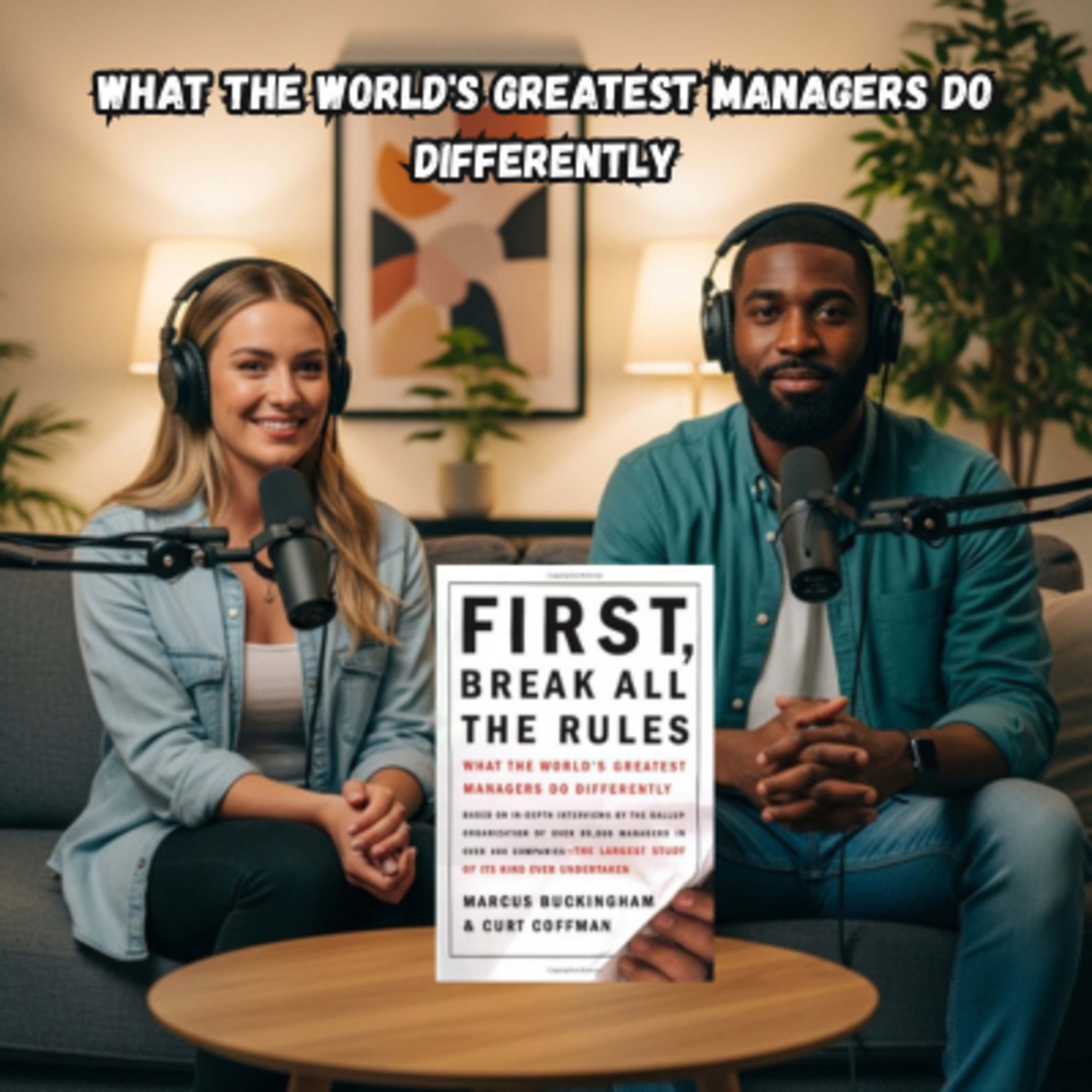
The world’s best managers don’t follow the rules—they rewrite them. In First, Break All the Rules, Marcus Buckingham and Curt Coffman of the Gallup Organization share the groundbreaking findings from one of the largest studies ever conducted on management and leadership.
This episode explores how great managers defy conventional wisdom: they hire for talent, not experience, focus on strengths, not weaknesses, and build performance around outcomes, not procedures. You’ll discover how these leaders motivate, retain, and develop top talent by seeing what makes each person unique—and using that uniqueness as fuel for success.
Whether you lead a small team or a global organization, this episode reveals how to manage people not as they “should” be, but as they truly are. Because leadership isn’t about fixing—it’s about unlocking potential.
If this episode challenged the way you think about leadership, follow BookTunez for more eye-opening insights from the world’s most influential business thinkers. 🎧
Share this with a manager or HR leader who’s ready to build stronger, happier teams—and remind them: the best leaders don’t follow rules, they redefine them.
Because great management isn’t about control—it’s about unleashing potential.#FirstBreakAllTheRules #MarcusBuckingham #CurtCoffman #BookTunez #LeadershipDevelopment #ManagementSkills #EmployeeEngagement #StrengthsBasedLeadership #GallupResearch #PeopleManagement #TeamPerformance #BusinessGrowth
OK, so let's be honest, managing people, it's like walking through a minefield sometimes, right? You turn left and you're micromanaging, you turn right. It's all hands off. Trust the process. So how do you actually do this thing called managing people? Well, we're going to dive deep today into a classic. First, break all the rules by Marcus Buckingham and Kurt Kaufman and we're using the book ginger summary to like pull out the really, really juicy bits to help you build a team that actually got stuff done and feels good about it.
Now get ready to have your mind blown because some of the stuff goes against like everything we've been taught about managing people for sure. So one of the things that like totally jumped out at me was this idea that all those like traditional ways, we your success, you know, sales figures, deadlines, those kinds of things first break all the rules. So those might be totally missing the mark. Yeah, one of the most fascinating things this book does is it throws out those traditional metrics that we're all so used to, right?
You know, sales figures, project deadlines. Usual suspects, yeah. You know. Usual suspects? Exactly. And instead, Buckingham and Kaufman say, focusing on those might be completely missing the point. So then what? Like, yeah, do we measure employee happiness? That seems a little fluffy, doesn't? It well, not exactly. It's about engagement. OK. Are your employees showing up with their A game, right? Or just going through the motions? Oh yeah. Just like clocking in clocking. Out. Yeah, exactly. Yeah, so first, Break All the Rules argues that engaged employees are the ones who drive real, sustainable success.
Makes sense? And there's data to back that up. OK, I like data. So remember those 12 questions Gallup uses to measure employee engagement? Turns out great managers consistently score higher across those metrics. So what are some of these magical questions that unlock employee engagement? Well, one that always stands out is OK. Do you have the opportunity to do what you do best every day? Think about that for a second. Yeah. If you answered no to that question, how engaged and motivated would you be?
Not very. Exactly. So great managers create environments. Yeah, where people can use their natural talents. OK Those innate patterns of thought, feeling and behavior, OK, that lead to excellence. Got it. Remember that anecdote from the book about the top salesperson? Yeah. Who naturally excelled at relationship building, Right. That's not learned. That's talent. That's interesting. So it's about like, figuring out what people are already good at and then just like, yeah, letting them run with it.
Absolutely. And, you know, it makes me think about my own team. Yeah, You know, some folks just shine when they're presenting. Others are coding Wizards. So. The take away is to stop trying to force them right into A1 size fits all box and embrace their unique strengths. That makes a lot of sense. Yeah, But how do we even find those talents, right? Especially like when you're hiring someone new. Yeah, resumes. They only tell you so. Much they do. They really do. Yeah. Well, Chapter 3 tackles this head on, OK.
It encourages ditching the standard interview script, OK. And digging deeper interesting into the candidates intrinsic motivations, Yeah. Oh, like that? So instead of asking like yeah, tell me about your weaknesses. I hate that question. Right. Try something like what kind of project gets you so absorbed you lose track of time? Oh, that's good. You'll be amazed at what you uncover. I am going to steal that question. Please you. OK, so we've built this team of like super talented people. Now what?
How do we actually make sure they're all working together towards the same goal? Well, clarity is key. OK, but with A twist. OK, I like Twist. Chapter 4 emphasizes setting clear outcomes, but it also warns against micromanaging the process. OK, so like give them the destination but let them choose their own route? Exactly. Think of it like giving your team a destination, but letting them choose their own route. I like that. This allows for creativity and innovation right, while keeping everyone aligned on the bigger picture.
Autonomy is like a big buzzword these days. It is, but does that mean we just let people do whatever they want? Well, not at all. OK, good. Remember, you've already hired for talent, right? So you can trust your team to figure things out. Yeah, that's true. It's about giving them the why behind the what. OK, the why? When people understand the purpose of their work, yeah, they're more invested in the outcome. That makes sense. And let's be honest, haven't we all felt more engaged at work? Oh for sure, when we had some ownership over how things were done.
Totally, 100% right. So we've hired the right people. We set clear goals. Is that it right? Is that the secret to like management Nirvana? I have a feeling there's more to this break all the rules thing. OK, I knew there was going. To be more, there's always more. I lay it on me. All right, so this is where things get really interesting. I like interest. Especially for anyone who's spent countless hours trying to fix their weaknesses. OK, you are speaking my language, I'm all ears. OK, here we go.
So chapter 5 throws out this like radical idea. OK, what if instead of trying to fix weaknesses, we focused on amplifying strengths? OK so this isn't about like ignoring areas for improvement exactly, it's more about just using what people are good at to. Leveraging what people are already good at, yeah, to achieve incredible results. OK, that sounds great in theory, but like, how does that actually work in the real world, right? Say I've got someone on my team who's like, amazing at brainstorming creative solutions, but they're terrible at like, the details, the execution.
OK, do I just let them run wild with ideas while the project falls apart? Well, that's where strategic delegation comes in. OK, instead of forcing that team member into a role that doesn't fit their talents, you pair them with someone who excels at execution. Oh, so like finding someone who's good at the things that they're not? Exactly. Someone who thrives on structure and organization. Gotcha. It's about building a team where individual strengths complement each other. I like that, yeah. It's like a puzzle.
It is. It's like putting together a puzzle. Yeah. And remember, focusing on strengths, it's not just about task allocation. It's also about how you give feedback. That's a good point. Instead of pointing at all the things they did wrong, yeah, highlight what they did well and how they can leverage those strengths to improve even further. That's really good advice. Yeah, I think I'm definitely guilty of focusing on like the negatives too much. I think we all are. Sometimes it's easy to fall into that trap.
OK, So what happens if someone's strengths just like don't align with their current role at all? Do we just like shuffle them around the company till something sticks well? It's not about randomly assigning people to different departments. OK, good. Chapter 6, Find the Right Fit emphasizes the importance of like ongoing conversations about career aspirations, OK, and development goals. So like actually talking to your employees? Exactly. Check in with them regularly, see what they're interested in, what they're passionate about.
And maybe there are ways to adjust their current? Role right? Maybe there are ways to tweak their current role? Yeah. To better utilize their strengths. Okay. Or maybe there's another opportunity within the company that would be a better match. That's a good point. It's about being proactive and having open communication with your team so. It all comes back to communication. It always does. Yeah, this kind of reminds me of what we were talking about earlier, that a sense of ownership and autonomy.
It's hard to feel engaged and motivated if you're stuck in a role that just doesn't feel right. That doesn't light your fire. Yeah, exactly. But then how do we balance that individual focus with like the overall needs of the team and the organization? Yeah. That's a great question. Can't just be all about like personal fulfillment. Right. Absolutely not. OK. And that's where great leadership comes in, OK. It's about finding that sweet spot where individual strengths are aligned with the team's objective.
Yeah. And the company's mission? It's like finding that perfect Venn diagram overlap. It is. It really is. It's not always easy, right? But when it works, it's magic. I like magic. Right. Yeah, you have a team of engaged, motivated individuals all working together towards a shared goal. Yeah, each person contributing their unique talents. That's the dream. It is. It's a beautiful thing. So we've talked about hiring for talent, setting clear goals, focusing on strengths, finding the right fit. Yeah, that sounds like a pretty solid management playbook.
It's a good start. But is there anything else we need to know to actually put this into action? Well, the final chapter, Turning the Keys, A Practical Guide OK is all about implementation. OK, so rubber meets the road time. Exactly. Buckingham and Kauffman emphasize, yeah, that these principles aren't just nice ideas, right? They're actionable steps that can transform your management style. Yeah, and create a thriving workplace. I like thriving. But it takes conscious effort, OK, and commitment to make these changes stick.
So it's not like a one time thing. No, it's an ongoing process. Yeah, Think of it like learning a new language. OK, you could study all the grammar rules and vocabulary, but you won't become fluent until you start actually speaking the language. So it's not enough to just like, read the book or listen to this deep dive. We need to actually go out and do it. You got to put it into practice. But that can feel kind of overwhelming. Oh, for sure. Especially if you're like trying to change your whole management approach.
Where do we even begin? Start small. OK, I like small. Pick one principle that really resonates with you. Yeah, and experiment with it. OK. Maybe you try that unconventional interview question we talked about earlier. Oh yeah, that was a good one. Right. Yeah. Or perhaps you have a conversation with a team member about their strengths and how you can better leverage them. OK. The key is to take action, to start somewhere. Yeah. And to learn as you go. That's good advice. Yeah. It's easy to get, like, paralyzed by the thought of making big changes.
Oh, absolutely. But even small steps can make a big difference, for sure. But before we wrap up, I'd love to hear your thoughts on something we've talked a lot about, like creating a positive and fulfilling work experience for employees. Right. But what about the managers? Oh, that's a good point. Where's the fulfillment in constantly? Like, yeah, trying to cater to everyone's individual needs and aspirations. It can be challenging, no doubt. Yeah, it sounds exhausting. But I think the real fulfillment comes from seeing your team thrive, OK?
When you create an environment where people feel valued, respected and empowered, their energy and enthusiasm become contagious. It's like a ripple effect. It is. It's inspiring to witness their growth, their creativity, and their accomplishment. Ultimately, their success is your success. Exactly. It reflects on you as a leader. So it's not just about making employees happy, right? It's about creating this like win win situation where everyone benefits. Absolutely. The individuals, the team and the organization as a whole, OK.
I like that. It's about building a strong foundation based on trust, mutual respect, and a shared commitment to excellence. I like that. And when you have that foundation, anything is possible. That's a great point, but I think it's important to acknowledge that this is like an ongoing process. It's a journey, not a destination exactly. There will be bumps along the way. There will be. And we won't always get it right. It's OK, yeah, we're all learning and growing. That's part of the fun. It is.
Management, like any other skill, requires constant learning and adaptation. So we need to stay curious. Absolutely stay curious, seek feedback, and be willing to adjust your approach as needed. And we don't have to do it alone. That's right, Yeah. There are tons of resources available. Books, articles, podcasts, workshops. All designed to help us be better managers. Exactly. So it's not about achieving some like mythical state of perfect management. There's no such thing. Yeah, it's a myth. It's about, like, always trying to improve.
Yeah, to learn and to grow alongside your team. Absolutely. And that brings us back to first, break all the rules full circle. It's not just like a set of instructions. It's like a whole mindset shift. It is. It's about challenging those outdated assumptions about management. Yeah, and embracing a new way of thinking. Yeah, one that values individuality, creativity and empowerment. That sounds like something worth striving for. I think so too. Yeah, it's like we're trading in that, like, old rusty toolbox full of outdated management tricks for like a shiny new one.
Yeah, packed with tools that actually work in the modern world. Absolutely. Tools that empower, inspire and help us unlock the true potential of every team member. You know what's really interesting? It's that this whole break all the rules approach, yeah, it isn't just about like boosting productivity and profits, OK? It's about something much deeper. I like there's. Something more human. OK, I'm intrigued. Tell me more. It's about creating a work environment, yeah, where people feel seen, valued and respected for who they are, not just what they can produce.
Yeah, like as human. Beings exactly as whole human beings. Not just cogs in a machine. It's about fostering a sense of belonging and purpose. Which, let's be honest, is something we all crave. We all want to feel like we belong, right? Like our work matters. Absolutely, but let's be realistic. Not every workplace is going to embrace this like radical new approach. So what can our listeners do right here, right now, to start applying these principles in their own lives? I'd say start by reflecting on your own experiences.
OK, think back to a time when you felt truly engaged and energized at work. OK. What were the conditions that made that possible? Yeah. What was it about that job that made you feel so good? Was it the type of work you were doing? The people you were working with? Yeah, the way your manager interacted with you. That's such a powerful exercise. It is. It really makes you think. By understanding what motivates us personally right, we can figure out how to create those same conditions for others. Exactly.
And it doesn't have to be some grand gesture. OK, maybe it's just taking the time to have a conversation with a team member about their strengths and how you can better utilize them. Yeah, or maybe it's giving someone more autonomy over a project. Letting them take ownership and make decisions. Those small actions can make a huge difference They. Really can. It's about shifting our focus, yeah, from control and micromanagement to empowerment and trust. And sometimes it's as simple as acknowledging someone's hard work and contributions.
Oh yeah, just saying thank you. Exactly. A genuine thank you or a sincere expression of appreciation. Can go a long way. A long way. We often underestimate the power of those little moments we do of connection and recognition. Yeah, they can really change someone's day. Absolutely. Maybe even their whole perspective on their work. So as we wrap up this deep dive into first break all the rules, Yeah, I want to encourage all of you to think about one small step, OK you can take today to apply these principles in your own work life.
Doesn't have to be this huge overhaul, just one small action. It's just one thing to shift your mindset and start creating a more human centered workplace. And remember, it's a journey, not a destination. Exactly. Keep those management secrets close at hand. Yeah. And let's break those outdated rules together. Love it. Until next time, keep diving deep and keep those light bulbs shining.
 Apple Podcasts
 Castbox
 Castro
 Goodpods
 Moon FM
 Overcast
 Pocket Casts
 Podbean
 Podcast Addict
 Podcast Republic
 Spotify