Developing the Leader Within You 2.0
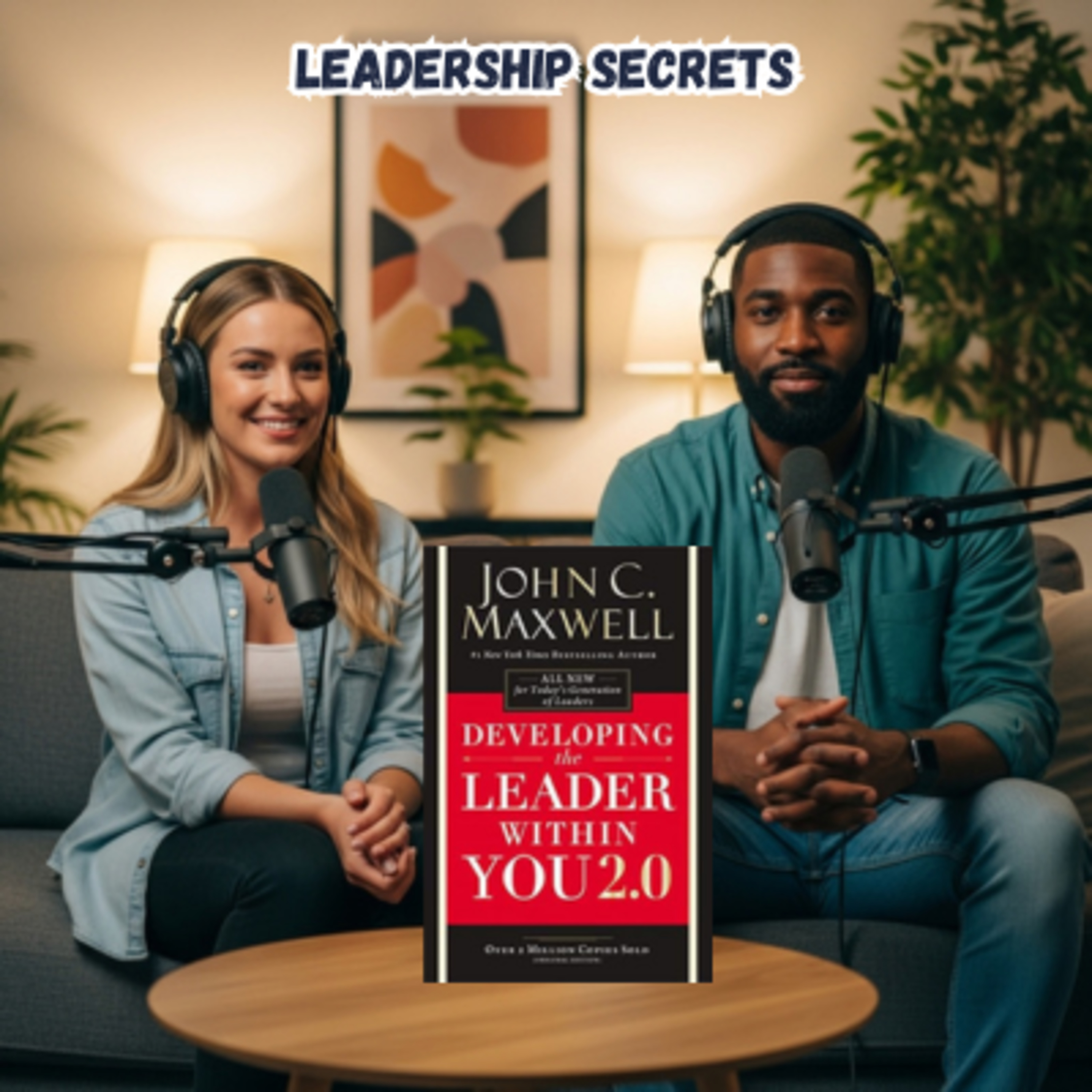
Great leaders aren’t born—they’re built from the inside out. In Developing the Leader Within You 2.0, world-renowned leadership expert John C. Maxwell revisits his timeless classic to show how true leadership begins with influence, character, service, and vision.
In this episode, we explore how to lead yourself before leading others, how integrity builds credibility, and how service multiplies influence. You’ll learn to apply Maxwell’s Five Levels of Leadership, master the discipline of self-leadership, and craft a vision that inspires people to follow. Whether you lead a company, a classroom, or a family, this episode reminds you that leadership isn’t about position—it’s about transformation.
Because when you grow the leader within, you elevate everyone around you.
If this episode helped you reflect on the kind of leader you’re becoming, follow BookTunez for more timeless lessons from the world’s greatest leadership thinkers. 🎧
Share this with someone on their leadership journey—and remind them that leadership isn’t a title; it’s a daily choice to grow, serve, and influence with purpose.
Because the hardest person you’ll ever lead is yourself—and the most important.#DevelopingTheLeaderWithinYou #JohnCMaxwell #BookTunez #LeadershipDevelopment #PersonalGrowth #ServantLeadership #VisionaryLeadership #CharacterBuilding #Influence #MindsetShift #SelfLeadership #Motivation
Welcome to the deep dive. Today we're diving into leadership with John Maxwell's Developing the Leader within U2 Point O. You've given us like excerpts from the book and a chapter by chapter summary. So, so we've got like a lot to work with. It's kind of crazy how many businesses struggle because because of a lack of leadership skills. Nearly 60% actually. Wow, that's a, that's a big number, yeah. So let's unpack Maxwell's like key insights and and see what Nuggets we can pull out, starting with with the idea that leadership, leadership isn't about authority, but influence.
Yeah, I think in Chapter 1, Maxwell really flips the script. He basically says that it doesn't matter what your title is, real leadership is all about the impact you have, the ability to influence people and that's it's pretty powerful when you think about it. It is it means that like anyone in any role can be a leader, right? Have you ever been influenced by, like, you know, teachers, mentors, friends They didn't need a corner office to to make a difference? Yeah, for sure. I mean, think about, think about all the people who've shaped your life, you know, parents, teachers, coaches, friends, even, you know, even fictional characters from books or movies.
They all had an influence on you. Right, exactly. And, and what's so fascinating here is that Maxwell breaks down the elements of influence. You know, he talks about building credibility so people trust you. He talks about nurturing relationships so you can amplify your impact. And and and he emphasizes letting your passion shine through to inspire others. These are all about who you are, not what you control. Right, absolutely. It's about your character, your values, your authenticity, not about your position or title.
It's about inner strength, not just outward power, but influence is just the beginning, right? In Chapter 2, Maxwell goes into something that I think we all kind of struggle with prioritization. Oh yeah, prioritization is huge. He calls effective leaders masters of prioritization and I think he's, he's spot on, right? He is. It's not about trying to do everything, which let's be honest, usually just leads to burnout and overwhelm. It's about being really intentional with your time and energy and focusing on the things that truly matter.
I mean, he gives some like, really practical tips, like learning to say no to protect your time. Oh, yeah. Which I know can be so hard. It is. But it's so important to set those boundaries. Absolutely. Saying no is a superpower. He also emphasizes the power of delegation, like letting go of tasks to leverage the strengths of your team. And that ties back to influence, doesn't it? Yes. When you trust your team enough to delegate tasks, you're showing them that you value their abilities. You're also freeing yourself up to focus on, you know, the bigger picture, the things that really move the needle.
Exactly. So think about your own work, right? Are you spending your time on the right things, the things that drive the biggest results? Or are you getting bogged down and you know, busy work and less important tasks? That's that's a great question for us to ponder. Now moving on to Chapter 3, Maxwell talks about character. He says that it's the bedrock of leadership. It is. Why do you think you put so much emphasis on character? Because leadership is about trust, right? People aren't going to follow someone they don't believe in, right?
So think about the leaders you've admired. Have they all demonstrated, you know, strong character traits like integrity and honesty? It's. Not just about skills, it's about values. Absolutely. It's about who you are at your core. And the great thing is, is that Maxwell gives us really concrete advice for how to build strong character. Yes. You know, he talks about consistency, which means, you know, being the same leader in every situation. He talks about the importance of ethical decision making, which is, you know, choosing the harder right over the easier wrong.
And and of course, he emphasizes leading by example. Action speak louder than words. Always you have to walk the walk, not just talk the talk. I love that. All right, moving on to Chapter 4, Maxwell says that that leaders aren't just managers of change, but makers of change. Yes. OK, And this is where we start to see leadership as a proactive force. It's not about just reacting to change, it's about envisioning something better and inspiring others to work towards it. I love that. So how do we become makers of change?
That's the question. Well, Maxwell says we need to embrace change, right? Don't fear it, right? This did as an opportunity for growth. Exactly. He also highlights the importance of communicating our vision clearly and passionately to inspire people to to buy in. And leading by example is is key here, too. Yeah. You have to be the first to adopt the changes you're advocating. Yeah. That shows people that you believe in what you're striving for, and that builds trust. It does, yeah. Now think about a time when you experience positive change in your life or work.
Was there a leader who helped to make it happen? How did they approach that whole process? Did they embody those principles that that Maxwell was talking about? That's a great question for reflection. It's always helpful to look back and see see how those principles have played out in our own lives. Absolutely. OK, let's move on to Chapter 5 where Maxwell tackles problem solving. He says that it's it's not just a skill, it's a leadership magnet. Oh yeah, people are drawn to those who can navigate challenges and find solutions.
Right. It shows competence absolutely, and it builds confidence. Like, hey, this person can handle things, I want to be on their team, right? Right, exactly. Yeah. So Maxwell offers, you know, a framework for effective problem solving, OK. And he encourages leaders to, first of all, anticipate problems, right? So you're not constantly reacting, but also to view problems as opportunities for innovation and creativity and and finally to involve your team in finding solutions. I like that. Yeah, to leverage that collective wisdom.
It's not about having all the answers yourself, right? No, not at all. It's about creating an environment where everyone feels empowered to to contribute. Exactly. And that not only solves the immediate problem, but it strengthens the team and builds that leadership credibility. Precisely. It's a win, win it is. OK. Now let's dive into Chapter 6 where Maxwell explores the power of attitude. He goes so far as to say that in leadership, attitude is everything. Now I'm I'm really curious to hear your take on this.
Why do you think attitude matters so much in leadership? Well, because your attitude shapes your reality, doesn't it? It does. It influences how you perceive challenges, how you interact with others, and ultimately how successful you become. It sets the tone for your entire team. And and Maxwell points out that a positive attitude is a choice, not just a result of like good circumstances. You control your response to the situations you face. It's a choice, yes. And that choice, it has a ripple effect.
You know, your attitude can be contagious. It impacts your team's morale, their performance. A positive outlook can help everyone overcome obstacles more effectively. Now thinking back to those leaders we talked about earlier, what kind of attitude did they project? How did it impact like their effectiveness? That's a good question, I think. I think the best leaders they project an attitude of confidence, optimism and enthusiasm even in the face of challenges. Did their attitude make you want to follow?
Them. I think so, yeah. I think a positive attitude is definitely magnetic. It draws people in. Absolutely. OK, let's move on to Chapter 7, where Maxwell reminds us that the most valuable asset a leader has isn't a product or strategy, but they're people. It's so true. This is so important. Investing in your team is like investing in your success, right? Absolutely. When your people grow, your organization grows. When your people grow, your organization grows. It's all about creating a culture of growth and empowerment.
Maxwell suggests recognizing and nurturing each team member's unique strengths, investing time in mentoring and coaching to help them develop, and creating an environment where mistakes are seen as learning opportunities. It's about creating a safe space for people to experiment, to take risks and to learn from their mistakes. I love YEAH because when people feel supported and valued, they're more likely to, you know, to thrive and to contribute their best. Absolutely. OK, let's move on to Chapter 8 where Maxwell discusses the importance of vision in leadership.
Oh yeah, vision. Think of it as your leadership compass, right? Exactly, it provides direction. It's about painting a picture of a desired future state, right? And inspiring people to work towards a common goal. Yeah, it's easy to get caught up in the day-to-day tasks, but having that clear vision keeps you focused on the bigger picture, on what you're ultimately trying to achieve. It does. And, and Maxwell emphasizes that, you know, your vision should be easy to understand. It should resonate with your team.
It should be something that they can get excited about. Needs to be something that everyone can get behind, yes? And you need to communicate that vision frequently. You can't just be something you mentioned once a year. Exactly right. It has to be woven into everything. You do. It has to be a living, breathing part of your organization's culture. OK, now think about a time when you were part of a team with a strong shared vision. How did it impact your motivation and performance? Did it make you feel more connected to the work?
I think it did. When you feel like you're part of something bigger than yourself, when you're working towards a shared goal that you believe in, it definitely gives you more energy and motivation. It makes you want to go the extra mile. It does. OK, let's move on to Chapter 9 where Maxwell argues that that self-discipline is non negotiable. Oh yeah, for effective leaders. Self-discipline is huge. Self-discipline. I think this is another area where we all struggle. It is. Why is it so crucial for leadership?
Well, because leadership requires consistency, focus, and the ability to do what's necessary, even when it's hard. And self-discipline is the foundation for all of that. It is. Max will offer some really practical advice for cultivating self-discipline, starting with mastering your daily agenda, right? Yes. Control your time. Eliminate distractions. It's about controlling your time, eliminating those distractions that can derail us so easily. It's so easy to get sidetracked, to get caught up in the urgent but not important tasks.
Self-discipline helps you stay focused on what truly matters, right? He also emphasizes setting clear goals and, of course, leading by example. Oh yeah. Yourself discipline, or lack thereof, will inspire or discourage those around you. Remember, self-discipline isn't about being rigid or inflexible. It's about having the inner strength to stay committed to your goals and values, even when things get tough. Ready for the final chapter? Let's do it, Chapter 10. Maxwell drives home the point that leadership isn't a destination, it's a journey.
It's a journey of continuous personal growth of. Continuous personal growth. He's reminding us that to lead effectively over time, we must constantly evolve, learn and adapt. And the best leaders? They're lifelong learners. He really encourages us to commit to that lifelong learning, whether it's reading, listening to podcasts like this one, or just engaging with new ideas. Yeah, you have to be curious. You have to be open to new experiences and perspectives. And he highlights the importance of seeking feedback, even when it's hard.
Right. It's hard, but it's so important. It is, but it's also one of the most valuable gifts you can receive. And use it as a tool for improvement. Absolutely. Feedback helps you see your blind spots. It helps you identify areas where you can grow and develop. He wants us to step outside of our comfort zones, set new challenges for ourselves. Growth happens outside of your comfort zone. So what steps can you take today to invest in your own personal growth and leadership development? That's the question, isn't it?
Yeah, it really is. It's about identifying those areas where you want to grow and then, you know, actually seeking out opportunities to learn and develop, like maybe maybe it's taking a course or attending a workshop or or even just shadowing someone you admire. The possibilities are endless. It's exciting to think about, isn't it, this idea that we can like constantly be evolving and expanding our leadership capacity. Now that we've kind of explored each chapter, do you see any like overarching themes kind of emerging from Maxwell's work?
What? What stands out to you? Well. One of the things that really jumps out at me is, is this emphasis on personal qualities over positional power. You know, Maxwell constantly reminds us that it's not about the title you hold, but about the character you demonstrate, the integrity you embody and the attitude you project. Right. It's like he's saying leadership starts from within. It does develop yourself first. Yeah. And the influence, the ability to inspire others will naturally follow. Yeah, and, and I think another theme that's woven throughout the book is the importance of relationships.
Oh, absolutely. Maxwell emphasizes that leadership isn't a solo act, right. It's about connecting with the people you lead, investing in their growth, and creating a culture of trust and collaboration. And I think that's so important because, you know, we've all probably worked with those leaders who tried to do everything themselves who are afraid to delegate or empower their teams. Yes, the micromanagers. Exactly. And you know, they might achieve some short term wins, but in the long run they're really missing out on on the power of collective wisdom and shared success.
They are so Speaking of challenges, what are some like common misconceptions about leadership that you encounter? What? What myths do you think people still believe? Oh, there are so many. I think one of the biggest ones is this idea that leadership is about being in charge about, you know, barking orders and expecting everyone to fall in line. Like the old command and control model, which is, you know, it's such an outdated approach and frankly, it's just not effective in today's world, right? People are more discerning, they're more empowered and they want to be inspired, not just instructed.
So how do we how do we shift away from that outdated model and embrace a more effective, more human centered approach to leadership? Well, I think it starts with a a shift in mindset, OK, You know, we need to stop thinking of leadership as a position of power and start seeing it as a responsibility to serve. Leadership as service. Exactly. Interesting. Yeah. What does that look like in practice? Well, it's about asking yourself, how can I help the people I lead to grow, to thrive, to reach their full potential?
It's about creating an environment where everyone feels valued, respected and empowered to contribute their best. It takes the focus off of ourselves and our egos and puts it on the people we're leading. Yes, it's about empowering them to succeed. Now, Maxwell offers a lot of practical advice, like throughout the book he does. What are some specific tips that that stand out to you as being particularly helpful for for aspiring leaders? Well, one that always resonates with me is the importance of leading by example.
You know our actions always speak louder than words, right? If you want our team to be ethical, hard working and committed to excellence, we need to model those qualities ourselves. People are always watching, even when we don't realize it. They are. They're taking cues from our behavior and modeling their own actions accordingly. Exactly. And you know, that doesn't mean we have to be perfect. We're all human. We all make mistakes, but it's about owning up to those mistakes, learning from them, and continuing to strive to be better.
It's about showing that we're all in this together, that we're all learning and growing. Exactly, And another tip that stands out to me is the importance of clear communication. Maxwell he really emphasizes the need to articulate your vision in a way that's easy to understand and inspires people to take action. It's about painting a picture of where we're going and why it matters. Yeah. And making sure everyone is on the same page. Make sure everyone's aligned. Exactly aligned with the shared goals.
Yeah, now leadership isn't always easy, right? No, it's not. There will be challenges along the way. There will What are some of the biggest obstacles that you think people encounter on their leadership journey? Well, I think one of the most common challenges is dealing with resistance to change. Oh yeah. You know people are creatures of habit, right? Like what's familiar? Yeah, even if it's not the best way. Of doing things exactly. So it's natural to resist change, right? But I think the key is to understand where that resistance is coming from.
You know, is it fear? Is it lack of trust or is it simply a feeling of not being heard? Once we understand the root cause, we can we can address it more effectively and it might involve communicating the benefits of the change more clearly, maybe involving people in the decision making process or or even just celebrating those small wins along the way. Yeah. Those are great strategies, and another challenge that leaders often face is managing conflict. Oh yeah. In conflict is inevitable when you have different personalities and perspectives coming together.
It's about creating a culture, culture of open communication, absolutely and respectful dialogue where people feel safe to express their concerns. Yeah, you have to create a space where people feel comfortable speaking up, where they feel like their voices will be heard. We need to foster what's called psychological safety. Yeah. That feeling that that you can speak up without fear of retribution or judgment. Exactly. And that requires us as leaders to to model that behavior ourselves. OK, you know we need to be willing to listen to feedback, right?
Admit when we're wrong, and to change our minds when presented with new information. We don't have a monopoly on good ideas. Exactly. OK, now shifting gears a bit, what personal qualities do you think are like essential for anyone who wants to be an effective leader? What? What traits should we be cultivating?
Well, I think self-awareness is crucial. You know, we need to understand our strengths and weaknesses, our values, our communication style, how we handle conflict. All of it. It's about knowing ourselves well enough to leverage our strengths right and manage our weaknesses. Exactly. And and being open to feedback is key, right? You know, we need to be willing to hear how others perceive us. Yeah, Even if it's not always what we want to hear. We don't have all the answers. Right, we can always learn and grow.
Absolutely. OK, what else? Another essential quality is empathy. Yeah, being able to understand and relate to the perspectives, feelings and experiences of others. It's about putting ourselves in their shoes. Exactly. Seeing the world through their eyes. Empathy allows us to connect with people on a deeper level, to build trust and inspire them, right? It helps us create a more human centered, compassionate approach to leadership. Yes, OK. And let's not forget about resilience. Oh yeah, leadership isn't always a smooth ride, right?
There will be setbacks, challenges and even failures along the way. We're going to mess up. So resilience is what allows us to bounce back from those setbacks, learn from our mistakes, and keep moving forward. It's about developing that mental and emotional toughness to to weather any storm. To persevere even when things get tough. Yes, to persevere. But I think it's also important to acknowledge the importance of self-care. Oh yeah, you know, this is often overlooked, but we can't pour from an empty cup, can we?
We. Cannot. If we're not taking care of ourselves, both physically and mentally, we won't be able to show up as our best selves for the people we lead, OK? What does self-care look like for you? Well, for me, it's about making time for the things that nourish me and replenish me, right? Whether it's exercise, spending time in nature, or just, you know, getting enough sleep. The simple things. Yeah, the simple things. Yeah, It's also about setting boundaries, learning to say no, and protecting my time and energy.
Speaking of vision, yeah, we talked about how important it is for a leader to have a clear vision of the future, right? But what about when things change? How do we stay true to our vision while also, you know, being adaptable? It's a great question. And I think, I think it's helpful to view our vision as a a guiding star, OK, a North Star that helps us stay on course, but not as a rigid plan set in stone. So it's about holding our vision lightly? Yes, with an open mind and a willingness to to adjust as needed.
Exactly. It's about finding that balance between clarity and flexibility, between conviction and adaptable. Now, Maxwell also talks about the importance of influence. Yes, he says that leadership is ultimately about influence, not authority. What does that mean in practice? Well, it means that we can't rely on our title or position to get people to follow us, right? We need to earn their trust and respect. It's about building relationships, demonstrating competence and inspiring people to to buy into our.
Vision and it's about recognizing that influence is a two way St. Yes, you know, we need to be willing to listen to others, to value their perspectives, and to be be open to changing our minds. It's about creating that collaborative environment where everyone feels heard and respected. Yes. Now, one thing that's, you know, that's really relevant in today's world is leading with authenticity. Oh yeah. What are your thoughts on that? Well, I think authenticity is like more important than ever. It is people are craving genuineness.
They are. They can spot a fake a mile. Away. Absolutely. And I think, you know, one of the biggest challenges for leaders today is to be authentic in a world that's increasingly superficial and image driven, right? So it's about being true to yourself, your values, and your beliefs. It's about showing up as our authentic selves, even when it's uncomfortable. And that vulnerability can actually be a strength. It can, you know, it makes us more relatable, right? It helps us build trust. Yeah, it's also about being clear about our values, yes, and making sure our actions align with them.
Absolutely. People need to see that consistency. And let's not forget about passion. Oh yeah, Maxwell emphasizes having a a passion for what you do. Passion is contagious, isn't it? It. Is it's what energizes and motivates us? Yes, and it can inspire others to follow our lead. When we're passionate about our work, it shows. It does. Our enthusiasm is infected. It's about finding that work that aligns with our values, our interests, and our purpose. It's about finding our our why. Exactly. That's when work doesn't feel like work, but like a calling.
I like that. But even with passion, we need to be lifelong learners. Yes, we do. You know, the world is constantly changing and we need to adapt. So true. It's about having that growth mindset, being open to new ideas, and constantly seeking out ways to learn and grow. And that learning can come from anywhere. Mentors, peers, team members, even our critics. Maxwell also emphasizes the importance of seeking feedback yes, and using it to to improve our leadership skills. Feedback is a gift. It is even when it's not wrapped in the prettiest package.
It's about being willing to listen to constructive criticism, right, And separating the message from the messenger. And to see feedback as an opportunity to learn and grow. Yes. OK, let's talk about delegation. OK, We all know we can't do everything ourselves, right? But delegation can be hard. You can. Why do you think Maxwell emphasizes it so much? Well, because delegation is about empowerment, it is. When we delegate effectively, we're giving our team members opportunities to grow and develop their skills.
It's about recognizing their strengths, trusting them to to do the job. And it frees us up to focus on those things that only we can do, these strategic initiatives that will move the organization forward. So it's a win, win. Speaking of empowerment, Maxwell also talks about the importance of creating a culture of empowerment in our teams. This is about giving people the authority and autonomy they need to make decisions and take ownership of their work. And when people feel like they have a voice, that their contributions matter, they're more engaged, they're more motivated.
It's about fostering a sense of ownership and accountability. And celebrating success along the way, you know, celebrating those wins big and small boost morale and creates a more positive work environment. It's about recognizing and appreciating the contributions of our team members. And making work fun. Exactly. OK, let's talk about the role of mentorship, OK in leadership, right? Maxwell stresses the importance of having mentors in our lives. Oh yeah, mentors can provide invaluable guidance and support.
Yes they can. You know they've been there, done that. They have, and they can share their wisdom and experience with us. They can help us see our blind spots, navigate challenges, and stay motivated. Finding a good mentor can be transformative. It can. It's about seeking out people you admire and respect and asking for their help. And it doesn't have to be a formal relationship. No, not at. All you know, it could be a casual conversation, a coffee chat, or even an e-mail exchange. I like that. The important thing is to find someone you connect with with and who can offer the kind of guidance you need.
Right. Maxwell also encourages us to take time for regular self reflection. Oh yeah. Right. And self reflection is so important for growth. It is it allows us to to step back from the day-to-day busyness and gain perspective on our leadership style, our impact on others and our overall effectiveness. It's about asking ourselves those tough questions. It is like, am I living up to my values? Am I making the impact I want to make? Am I serving my team well? It's about being honest with ourselves, yes, identifying areas where we can improve.
So how do we make time for self reflection in our already busy lives? Well, I think I think scheduling regular time for reflection is key. You know, it could be 15 minutes at the end of each day or an hour at the end of each month. It could be in the shower, it could be whatever works for you. Exactly. The key is to make it a habit. Yeah, something that you do consistently. OK. And then like, what do you, what do you actually do during those times? Well, during those reflection sessions, yeah, you know, you can ask yourself questions like what went well this week?
What could I have done better? What am I grateful for? What are my goals for next week? It's about taking a step back back, assessing our progress and making adjustments as needed. Exactly. Now, we've talked about a lot of like, important qualities for effective leadership, but let's not forget about courage. Oh yeah. Right. Courage is essential for making a difference. Yes, you know, if we're afraid to take risks, challenge the status quo, or stand up for what we believe in, we won't be able to make a real impact.
It's about having that inner strength and conviction to to do what's right, even when it's difficult. And it's about recognizing the true leadership often requires us to make tough decisions, right? Even if they're unpopular. But it's not just about being tough, right? It's also about humility. Oh, absolutely. Humility is so important for effective leadership. Yes. It allows us to recognize that, you know, we don't have all the answers, that we need to learn from others, and that we're not always right.
It's about being open to feedback, willing to admit our mistakes, and constantly striving to to improve. And it's about recognizing that leadership isn't about ego or self promotion. It's about serving others, empowering our team members, and achieving great things together. It's about creating a culture of collaboration and support where everyone feels valued and respected. It sounds like humility is like a key ingredient for building that kind of positive environment. It is. It really is. You know, when you're humble, you create a space where people feel safe to share their ideas, to take risks, and to learn from their mistakes without fear of judgement.
And that brings us back to Maxwell's core message. Right? Leadership is a journey, yes, not a destination. It's a process of continuous growth and development. We've covered a lot of ground today, exploring all 10 chapters of developing the leader within You. 2 point O yeah. What are some of the like most important takeaways that you hope our listeners will walk away with? Well, I think the biggest take away is that leadership is a skill that can be developed. Yeah. You know, it's not something you're born with.
It's something you cultivate over time through intentional effort and practice. So it's encouraging to think that like anyone, can become a more effective leader. Absolutely. If they're willing to put in the work. And that work starts with self-awareness. OK, You know, understanding your strengths and weaknesses, your values, your communication style, those are the building blocks of effective leadership. So once you have that foundation, yeah, you can start to focus on all those key principles we discussed today, building influence, prioritizing effectively, strengthening your character, embracing change, becoming a skilled problem solver, and cultivating a positive attitude.
And it's not just about mastering those individual skills, it's about understanding how they all work together. They're interconnected. They are. They're all interconnected pieces of a larger puzzle. It's about developing that holistic view of leadership, recognizing that it's not just about what you do, but who you are. And it's about recognizing that leadership is a continuous journey of learning and growth. You know the best leaders are those who are always striving to improve, to learn new things and to adapt to changing circumstances.
Now, before we wrap up, I want to circle back to something we talked about earlier, this idea of balancing vision with adaptability. Maxwell talks a lot about the importance of having a clear vision for the future, but he also emphasizes the need to be flexible and adjust our course as needed. Absolutely. So how do you reconcile those two like seemingly contradictory ideas? That's a great question. And I think, I think the key is to view our vision as a as a guiding star, a North Star that helps us stay on course, but not as a rigid blueprint that can't be altered.
So it's about holding our vision lightly. Exactly. With an open mind, willingness to adjust as needed. It's about finding that balance between clarity and flexibility, between conviction and adaptability. Now, Maxwell also talks about the importance of having a personal board of directors. Yes. Can you can you elaborate on what he means by that and why it's so valuable for leaders? Sure. So he's talking about surrounding yourself with a group of trusted advisers. You know, mentors, peers, maybe even family members who can offer different perspectives, challenge your thinking, and provide support and guidance.
It's like having your own personal brain trust. It is. It's like having your own personal Advisory Board. These are the people you can go to for advice, feedback, encouragement when you're feeling stuck. Exactly, and building that kind of support network is essential for long term success as a leader. This has been a fantastic deep dive into John Maxwell's developing the leader within U2 Point O. We've unpacked so many valuable insights, from the importance of influence and character to the power of vision and self-discipline.
It's been a pleasure discussing these ideas with you. And to our listener, we hope you found this deep dive helpful and inspiring as you continue on your own leadership journey. Remember, it's a marathon, not a Sprint. That's right, pace yourself, embrace the challenges and never stop learning and growing. And remember that leadership isn't just about achieving goals. It's about making a positive impact on the world around you. It's about. Leaving things better than you found them and inspiring others to do the same.
Well said. Thank you for joining us on the Deep Dive. We'll see you next time.
 Apple Podcasts
 Castbox
 Castro
 Goodpods
 Moon FM
 Overcast
 Pocket Casts
 Podbean
 Podcast Addict
 Podcast Republic
 Spotify