12 Months to $1 Million: How to Pick a Winning Product, Build a Real Business, and Become a Seven-Figure Entrepreneur
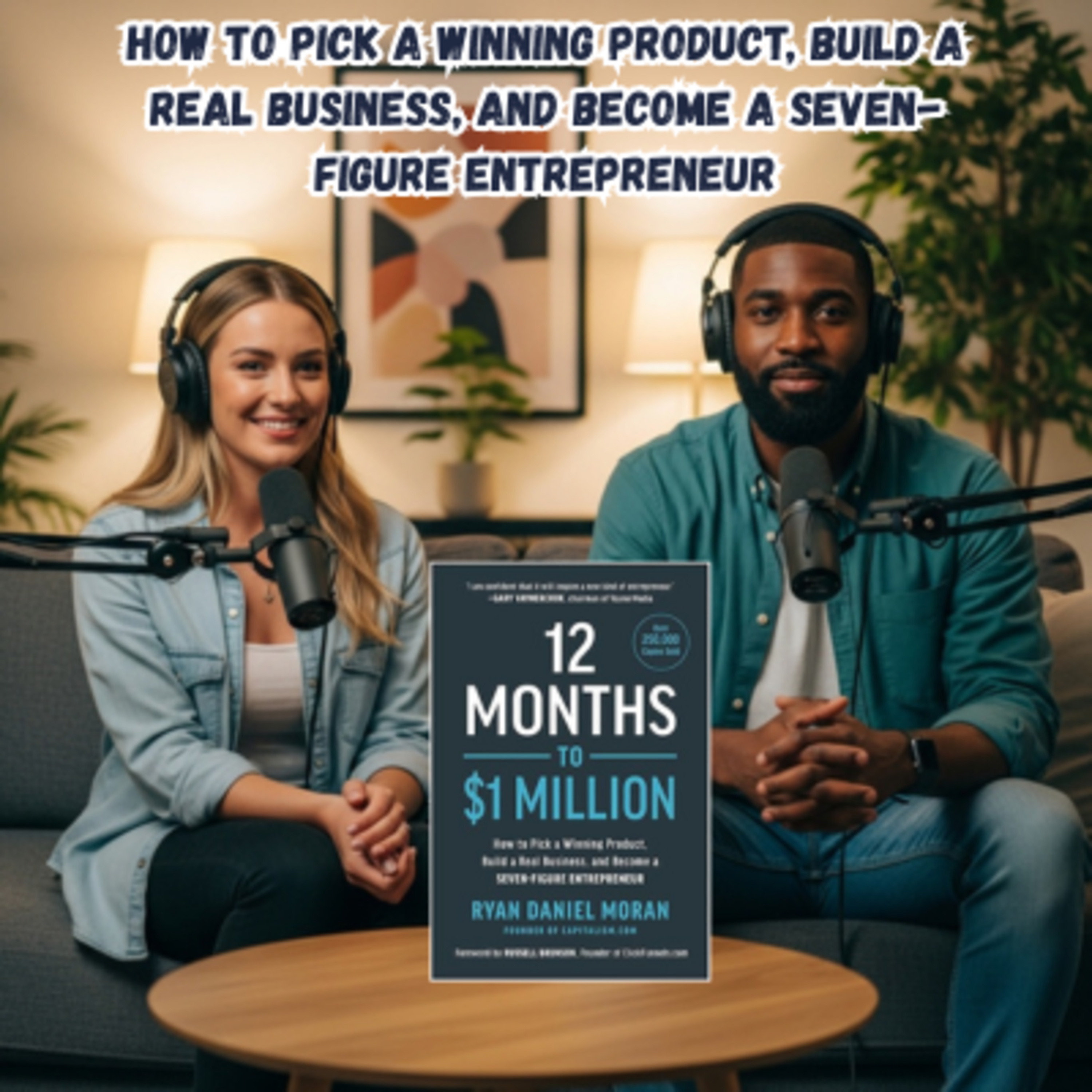
What if you could build a million-dollar business in just one year? In 12 Months to $1 Million, entrepreneur and founder of Capitalism.com, Ryan Daniel Moran, lays out a step-by-step roadmap to turn your idea into a seven-figure business—without relying on luck or hype.
This episode breaks down Moran’s three-stage blueprint: The Grind, where you identify your winning product and make your first sales; The Growth, where you scale fast using smart marketing; and The Gold, where you multiply your product line and hit consistent six-figure months. It’s a practical, no-fluff approach to building real wealth through entrepreneurship.
If you’re ready to stop dreaming and start executing, this is the business playbook you’ve been waiting for.
If this episode fired you up to build something real, follow BookTunez for more powerful business and mindset insights every week. 🎧
Share this episode with a fellow entrepreneur who’s tired of waiting for the perfect moment—and remind them that success favors the ones who start.
Because your first million starts with your first move.#12MonthsTo1Million #RyanDanielMoran #BookTunez #Entrepreneurship #BusinessGrowth #StartupJourney #Ecommerce #FinancialFreedom #Mindset #WealthBuilding #OnlineBusiness #CapitalismCom
All right, so today we're going to be cracking open 12 months to $1 million by Ryan Daniel Moran. And you know, when I first saw the title, I was like, OK, it's this realistic, like 1,000,000 bucks in a year. But, you know, I, I like a challenge. And I was really curious to see what kind of road map Moran lays out here. Yeah. Well, you know, one of the first things that struck me when I was reading it is that he doesn't just throw out this huge goal and he's kind of leave you hanging. He actually breaks it down into some retty concrete steps.
And it all starts with this really customer centric approach that goes way deeper than just, you know, asking people what they want. Yeah, you're right. It's about getting into like the nitty gritty of understanding your customers pain points. And there was 1 anecdote that really stuck with me. It was about that fitness product where the creator, they didn't just like assume they knew what people needed. They actually went deep into these online fitness communities and asked really targeted questions like what's your biggest struggle with fitness and what kind of equipment do you wish existed?
Right. And through that research, they actually uncovered this like a huge pain point that people were struggling with and it was meal prepping. It was just a constant struggle for people. O armed with that insight, they actually created a meal planning a that was secifically designed to tackle that problem. And the product just took off because it was solving a real validated need. And, you know, that's really the power of like deep customer understanding. Yeah, it makes you think, doesn't it? Like, are we just assuming we know what our audience wants or are we like, really digging deep?
Yeah, It's easy to get caught up in, like, our own ideas, Yeah, you know, But the real key is to find that overlap between what we're passionate about and what the market actually needs. And that kind of leads us to the next big idea, which is product validation. Oh, yeah, don't just get tested out. And Moran, he uses this example of someone with a reusable water bottle idea that would, like, track your hydration levels. Pretty cool, right? So instead of jumping straight into production, they created this landing page and ran a presale campaign, even getting feedback on social media.
And the response was amazing. People were signing up like showing real interest, and that validation gave them the confidence to move forward knowing they had something people actually wanted. Exactly. It's about minimizing risk before you invest a ton of time and money. Yeah. You know, you want to make sure there's a market for your product. For sure. So let's talk about getting this whole thing off the ground. So you've got a validated product, you've got some excitement, but you need the resources, right?
That brings us to the books. Focus on financing. Yeah, and this is where it gets interesting. Moran really encourages you to think beyond just traditional loans. He talks about bootstrapping, using your own savings or assets to get started. He also dives into crowdfunding and he shares this really cool story about someone developing an eco friendly cleaning product line. Oh. Yeah, I remember that one. They bootstrapped initially, but then they needed a bigger cash injection to really like ramp up production.
Exactly. And so they launched this crowdfunding campaign offering exclusive perks to early backers, and they absolutely crushed their funding goal. And it just proves that there are multiple avenues, you know, for securing the capital you need to launch and grow. So while bootstrapping might work for some, others might find success with crowdfunding, Angel investors, or even venture capital. It's all about finding the right fit for your business model and growth stage, right? Absolutely. Imagine this.
You've got your product validated, you've got funding secured, but there's more to building a successful business than just those two elements. And so the books next key point is all about setting yourself up for success from the get go. It's something that Moran calls stacking the deck. I'm intrigued. So what does he mean by stacking the deck? Is this like about playing the system? No, not quite. It's about building a really solid foundation that can support rapid growth. This involves putting robust systems in place, optimizing your supply chain, choosing the right suppliers.
And surrounding yourself with the supportive network, mentors, advisors, even a strong community, you know, it's like that saying it takes a village. Exactly. And the book actually uses this example of someone launching an organic skin care line and they were very deliberate about choosing suppliers who aligned with their values and who could provide top notch ingredients. They also found a mentor in the skin care industry who could offer valuable guidance. And by carefully setting up their systems, their supply chain, their support network, they created a business that was really resilient and position for growth right from the start.
Wow, it makes you think about your own support system. Do you have the right people in your corner? Are your operational processes efficient and scalable? Are you setting yourself up for success, or are you making things harder than they need to be? It's about proactively minimizing potential roadblocks and maximizing your chances of hitting that $1,000,000 mark. But even with all that in place, you know the real test comes with the launch. And that's where the book's final key point for the section comes in marketing and scalability.
Yes, this is where it all comes together. Moran really stresses the importance of a strategic launch to gain momentum right out of the gate. He uses the example of a company launching a new outdoor fitness tracker. They built anticipation by creating a countdown on social media, offering sneak peeks of the product, and even partnering with fitness influencers who really resonated with their brand. Oh, and they offered a limited time discount to the 1st 100 customers on launch day. Exactly the result.
They sold out within hours, and not only did this generate early revenue, but it created buzz, it established their brand in the market, and it provided valuable data for future growth. It paints such a clear picture of how a well executed launch can be a game changer. Now I want you to imagine your ideal product launch. What steps would you take to make it a smashing success? What marketing strategies would you employ to reach your target audience and create that initial wave of excitement? Welcome back to our deep dive into 12 months to $1 million.
In the first part, we kind of laid the groundwork, you know, focusing on understanding your customer, validating your product, getting the financing you need, building a strong brand and nailing that strategic launch. Now let's kind of shift gears a little bit and explore some of the more tactical advice that Moran offers to really accelerate your business growth. Yeah, I'm ready to get into the nuts and bolts here. We've got the foundation, but what are some of those key strategies that we can use to really build that $1,000,000 business?
Well, one of the recurring themes in the book is the power of leverage. Leveraging your time, your resources, even other people's expertise to scale your business faster. It's about working smarter, not harder. Yeah, that makes a lot of sense, especially when you're aiming for like, ambitious growth. You can't possibly do everything yourself, right? The book talks about building a strong team, but how do you balance like hiring for passion versus experience, especially in those early stages when resources might be limited?
That's a great question and Ran actually addresses this head on. He emphasizes that building a team doesn't necessarily mean hiring a bunch of full time employees right away. You know, it could involve working with freelancers, contractors, virtual assistants, even forming strategic partnerships. So it's more about assembling like the right team for the right tasks, whether they're part of your internal team or external collaborators. Precisely, and the key here is to hire for strengths, not just to fill gaps.
You want people who are passionate and skilled in their areas of expertise. Yeah, it's about finding people who can elevate your business, not just check off a box on an org chart. Exactly, Yeah. And this actually dovetails really nicely with what we talked about earlier, building a supportive network. It's all about surrounding yourself with people who can offer a different perspective, skills and knowledge. Oh, for sure. Speaking of skills and knowledge, the book also dives into the importance of leveraging technology, which is essential for entrepreneurs in today's digital landscape.
Right. Absolutely. And you know, when it comes to technology, Marin really emphasizes the power of automation. Think about it. Automating tasks frees up your time and mental energy so you can focus on those higher level activities that really move the needle. Things like strategy, innovation, building relationships. So instead of getting bogged down in those like repetitive manual tasks, we can use technology to streamline our operations and free ourselves up to focus on the big picture. Exactly.
Think about things like e-mail marketing, social media scheduling, customer support, chat bots. There's this whole ecosystem of tools out there that are designed to help you automate key aspects of your business. It's like having a team of virtual assistants working for you 24/7 without the overhead. Now, along with people and technology, the book also talks about the importance of systems. Systems are essential. Think of them as the documented processes and procedures that keep your business running smoothly, everything from how you handle customer inquiries to how you fulfill orders and manage your finances.
So it's about creating those clear, repeatable steps for all the essential tasks in your business. That's right, And having these systems in place not only makes your business more efficient, but it also makes it much easier to scale. So for example, if you have a well defined system for onboarding new customers, you can easily handle like a sudden influx of orders without things falling apart. It creates that consistency and predictability which are essential for sustainable growth. Exactly. And while building systems might seem a bit tedious at first, Moran stresses that it's an investment that pays off big time in the long run.
It streamlines your operations, it reduces errors, and it allows you to scale more effectively. Plus, it makes your business more attractive to potential investors or buyers down the line. It's about setting yourself up for long term success rather than just trying to put out fires in the short term. Now, shifting gears a bit, another crucial piece of advice that Moran offers is the importance of data-driven decision making. He really encourages entrepreneurs to track their key metrics, analyze the data, and use those insights to make informed decisions.
Yeah, this really resonates with me. While intuition and gut feelings definitely have their place, it's essential to ground your decisions in real data. It's about removing emotion from the equation and making strategic choices based on what the numbers are telling you. Exactly what gets measured gets managed right, and in today's digital world, we have access to more data than ever before. We can track website traffic, conversion rates, social media engagement, customer feedback, it's all there.
Yeah, it's like having a constant feedback loop, allowing you to see what's working, what's not, and make adjustments accordingly. This data-driven approach seems crucial for staying agile and responsive in a market that's constantly changing. Absolutely, it allows you to adapt to new trends and challenges which is essential for long term success. For sure, and with so much happening online these days, building a strong digital presence is more important than ever. You're absolutely right. Moran talks about the importance of having a professional website, engaging social media content content, and a robust e-mail list.
These are really the digital assets that allow you to connect with your audience, build relationships, and drive sales. It's about creating that cohesive online ecosystem that attracts your target audience and showcases your brand in the best possible light. Exactly. And it's not just about having a website or social media profiles, it's about using those platforms strategically. Moran emphasizes the importance of creating valuable content, content that educates, entertains or inspires your target audience.
Oh yeah. This is where content marketing comes in. It's not just about selling your product or service directly. It's about providing value, building trust, and positioning yourself as an authority in your industry, right? And when you do this effectively, people are more likely to engage with your brand, share your content and ultimately become loyal customers. It's a long term strategy that focuses on nurturing relationships and providing value, which ultimately leads to more sustainable growth.
It's about creating a community around your brand, not just a customer base. We've covered a lot of ground here, leveraging people, technology and systems, making data-driven decisions and building a strong online presence. What else does Moran emphasize in the book when it comes to scaling a business? Well, one of the most important things he highlights is the importance of marketing and scalability in today's competitive landscape. It's not enough to just have a great product or service. You need to get the word out and make sure that your business model can handle rapid growth.
Right. You're right. It's about reaching the right audience and having the infrastructure in place to support that growth. It's about thinking big from the start. Exactly. Moran provides a ton of practical advice on how to build a scalable marketing machine. He talks about leveraging different channels like social media, e-mail marketing, paid advertising, and content marketing to reach your ideal customers. It it's about creating a multi faceted approach that amplifies your message and maximizes your reach.
He also emphasizes the importance of building a strong brand identity that resonates with your target audience. This involves developing a clear brand voice, visual style and messaging that sets you apart from the competition. So it's not just about getting your name out there, it's about creating a brand that people connect with emotionally, a brand that stands for something. Precisely. A strong brand can be a powerful asset, driving customer loyalty and making it easier to attract top talent. Now, when it comes to scalability, it's not just about marketing, right?
It's about ensuring that your entire business model can handle rapid growth. Absolutely. Moran talks about the importance of having efficient systems in place, as we discussed earlier. He also emphasizes the need to build a strong team that can scale with the business. That makes sense. If your team is constantly struggling to keep up with demand, it's going to limit your growth potential. Exactly. He also talks about the importance of optimizing your finances to ensure you have the resources to fuel growth.
This could involve securing additional funding, managing cash flow effectively and reinvesting profits back into the business. It's about having that solid financial foundation that can support your ambitious goals and. One more thing Moran stresses the importance of continually testing and iterating. So it's not about finding like the perfect plan from the start, but being adaptable and making adjustments as you go, right? He encourages entrepreneurs to constantly experiment with new marketing strategies, product features, and operational processes to find what works best.
It's about embracing a mindset of continuous improvement, always seeking ways to do things better, faster and more efficiently. Exactly. And by combining these practical strategies with the foundational principles we discussed earlier, you can create a Really, really powerful road map for achieving that $1,000,000 goal. It's clear that 12 months to $1 million is more than just a catchy title. It's a comprehensive guide that's packed with actionable advice for entrepreneurs at all stages of their journey.
And while the $1,000,000 goal might not be for everyone, the principles and strategies outlined in the book can be applied to any business or project, regardless of size or industry. It's about having a clear vision, setting ambitious goals and taking consistent action to make those goals a reality. And remembering to enjoy the journey along the way. Building a business can be challenging, but it's also incredibly rewarding. Now before we wrap up, I'm curious about something. The book focuses heavily on the practical aspects of building a business, but does it address like the mental and emotional side of entrepreneurship?
Does it touch on the mindset that's needed to achieve such a significant goal? That's a great question. Yeah. It's easy to get caught up in the strategies and tactics, but building a business, especially one that's aiming for like $1,000,000 in revenue, it requires a certain like mental fortitude. Yeah, you hit the nail on the head. Moran actually dedicates a significant portion of the book to what he calls the inner game of entrepreneurship, and he argues that this is just as crucial as the practical strategies that we've been discussing.
OK, I'm all ears. So what does he mean by inner game? Well, it's about cultivating the right mindset, beliefs, and habits to really support your entrepreneurial journey. One of the core concepts he emphasizes is the importance of having a clear vision, and not just for your business. So it's bigger than just a business plan? Exactly. He encourages entrepreneurs to really envision what they want their life to look like, you know, both personally and professionally. And this vision then becomes kind of the driving force behind your decisions.
It helps you stay focused and motivated, especially when things get tough. Yeah, it's like having that North star guiding you through all the ups and downs of building a business. But having a vision is one thing, actually achieving it is another. Does the book touch on goal setting? Absolutely. And he doesn't just advocate for any goals. He pushes for what he calls stretch goals, goals that might seem a little intimidating, even audacious. So the kind of goals that force you to grow and like, push beyond your comfort.
Zone. Exactly. But setting those big goals requires a belief in yourself, a conviction that you're actually capable of achieving them. It makes you think, maybe we're sometimes holding ourselves back by setting goals that are too small, too safe. But this brings up the question of self doubt, like imposter syndrome is a real struggle for a lot of entrepreneurs. How does Moran address that? Well, he acknowledges that self doubt is a natural part of the journey, especially when you're pushing yourself to achieve ambitious goals.
He provides a number of practical tips for building self-confidence. Things like focusing on your past successes, surrounding yourself with a supportive community, and even visualizing yourself achieving those big goals. It's about silencing that inner critic and replacing it with a more empowering inner dialogue. But even with a strong mindset, you know the day-to-day demands of building a business can be overwhelming. Does Moran offer any advice on time and energy management? Oh, absolutely. He dedicates a whole section to a Recognizing that time is an entrepreneur's most valuable asset, he offers strategies for prioritizing tasks, delegating electively, and even learning to say no to things that don't align with your goals.
Yeah, it's about being intentional with your time and energy, making sure you're focusing on the tasks that truly move the needle. And it's about recognizing that you can't pour from an empty cup. Moran stresses the importance of self-care, reminding entrepreneurs that they need to prioritize their physical and mental well-being. Yeah, it's not selfish to take care of yourself. It's actually essential for long term success. If you're burnt out and exhausted, you're not going to be able to perform at your best.
Exactly. He encourages things like getting enough sleep, eating healthy, exercising regularly and taking breaks to recharge. It's about recognizing that sustainable success requires A holistic approach, one that considers both your inner and outer game. So to sum up this inner game concept, it's about having a clear vision, setting ambitious goals, cultivating self belief, managing your time and energy wisely, and prioritizing self-care. It's about building that strong inner foundation to support the structure of your business.
Well said. Moran makes a really compelling argument that these inner qualities are just as important as the external strategies and tactics that we discussed in the previous parts. When you combine a solid inner game with effective outer game strategies, you create a powerful recipe for achieving remarkable things. It's been a fascinating journey, exloring 12 months to $1 million with you. We unpacked actionable strategies for everything from understanding your customer to building a scalable business model, and we even delve into those often overlooked mental and emotional aspects of entrepreneurship.
And while the $1,000,000 goal might not be everyone's target, the principles and strategies outlined in this book are valuable for anyone who's looking to grow a business, launch a project, or simply level up their entrepreneurial game. It's a reminder that success isn't just about luck or circumstance. It's about having a clear vision, setting audacious goals, and consistently putting in the work both internally and externally to make those goals a reality. And remembering to enjoy the journey along the way.
You know, building a business can be challenging, but it's also incredibly rewarding. So to all of our listeners out there, we hope this deep dive has sparked some new ideas and inspired you to take action. What resonated with you the most? What are you going to implement in your own business or project? We'd love to hear your thoughts. Until next time, keep learning, keep growing, and keep diving deep.
 Apple Podcasts
 Castbox
 Castro
 Goodpods
 Moon FM
 Overcast
 Pocket Casts
 Podbean
 Podcast Addict
 Podcast Republic
 Spotify