A Culture of Predictable Sales: One Sales Manager's Journey
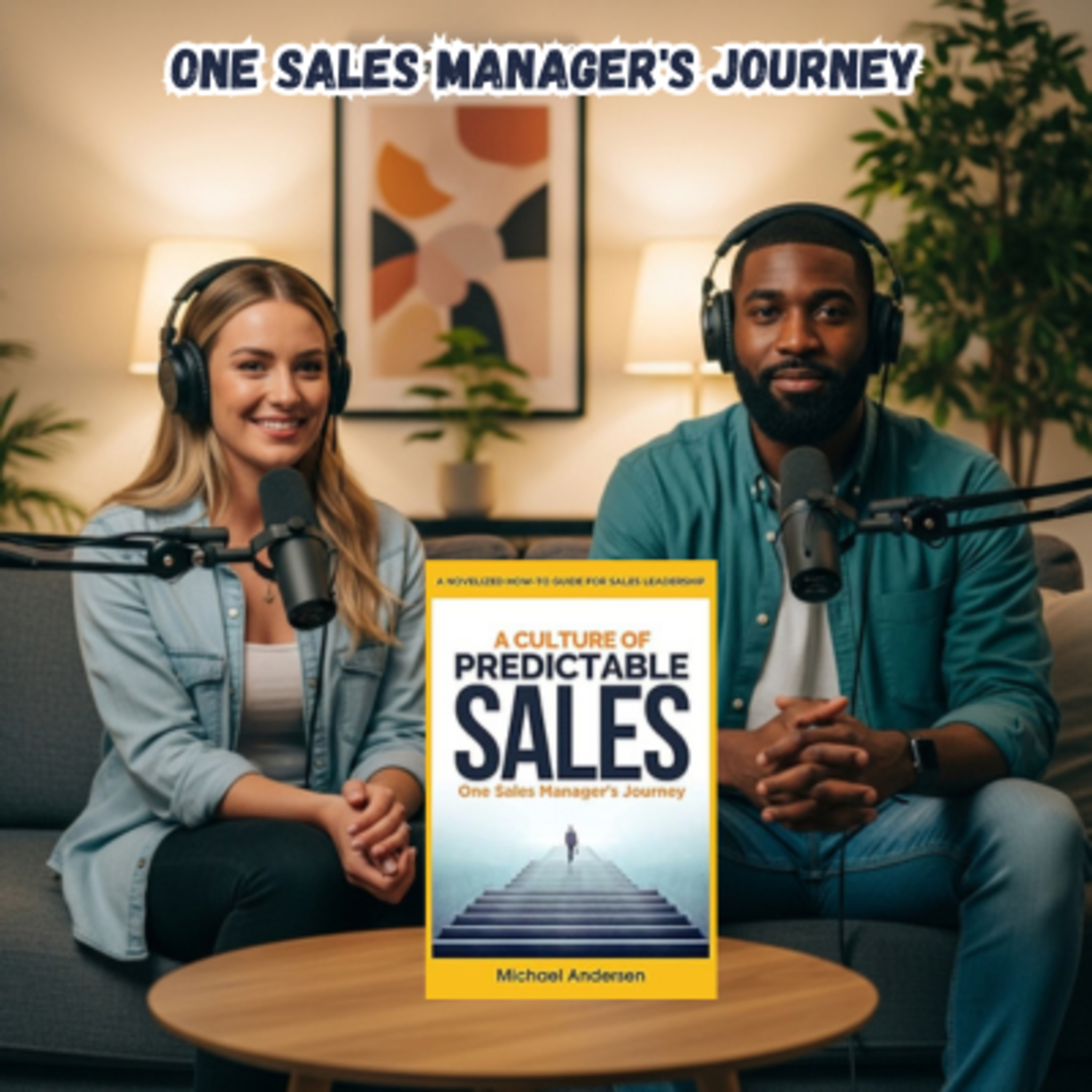
What if your sales results didn’t depend on luck, moods, or market swings—but on a system? In A Culture of Predictable Sales, Michael Andersen blends storytelling and strategy in a powerful business fable that reveals how sales leaders can build teams that consistently deliver results.
Follow Rolland Mandat, a talented salesman turned struggling manager, as he learns the hard truths about leadership, accountability, and structure under the guidance of mentor and coach, Monroe. Through his journey, Andersen unpacks the Intentional Sales Management™ framework—showing how to unite the art of selling with the science of sales management.
This episode dives into the habits, systems, and cultural shifts that turn chaotic sales departments into predictable, high-performing machines. Because when you lead with clarity and consistency, success stops being random—and starts being repeatable.
If this episode gave you a new way to think about sales leadership, follow BookTunez for more powerful insights that connect mindset, management, and measurable results. 🎧
Share this with a sales manager or business owner who’s ready to move from chaos to consistency.
Because predictable sales aren’t just a dream—they’re a discipline.
#ACultureOfPredictableSales #MichaelAndersen #BookTunez #SalesLeadership #SalesManagement #PredictableRevenue #IntentionalSalesManagement #B2BSales #LeadershipDevelopment #BusinessGrowth #SalesCoaching #RevenueStrategy
All right, so Are you ready to dive in? Today, we're taking a deep dive into a book that's been making waves in the sales world. It's called A Culture of Predictable Sales. I've heard good things. Yeah, and it promises to help us move away from those, you know, kind of like those aggressive in your face sales tactics and instead build a sales system that's sustainable, predictable, like almost like baking a cake. You know, wouldn't it be great if your sales were just as consistent and delicious every time that.
Would be a dream come true, right? I know consistent sales. Who wouldn't want that? Exactly. So the book breaks its approach down into five key lessons, and I have to say, some of this stuff really surprised me. Really. It's not just the same old tired sales advice. I'm intrigued. Yeah. So, for example, they dive deep into the importance of defined sales processes. OK, so that sounds pretty basic at first. Right, right. It does. But they get into some really specific tactics that I think are really valuable.
Interesting. Yeah. So most salespeople, they know they need a process, right? Right. But they often lack a truly detailed step by step system. Yeah, it's like they have the general idea, right, but not the actual recipe. Exactly. So this book argues that breaking down the sales process into smaller, more manageable tasks like closing, pitching, prospecting, and then refining those individual components, that's what makes it so much easier to track progress and really zero in on areas for improvement.
It's like breaking down a complex recipe into simpler steps. Yes, they do make. It much easier to follow. And they give a great example in the book about a sales team that was really struggling with closing deals. It turned out their follow up was all over the place. Oh, I've seen that happen. Right. Like some reps were sending emails, others were making calls, and there was just no consistency. Yeah, no system. It was kind of winging it. But once they created a super specific checklist for follow up, OK, it included things like sending a summary of the call, offering additional resources relevant to the client's needs, their close rate jumped dramatically.
Wow, that's impressive. So just by bringing that structure to the follow up process, Yeah. Just bringing that consistency. Made a huge difference. Huge difference. What's fascinating to me is that it wasn't like some revolutionary new closing technique. It was just bringing clarity and consistency. Exactly to a part of the process that had been kind of haphazard before. Makes you wonder what else we're doing haphazardly in our own sales processes. Right, I know I started looking at my own processes with a much more critical eye after reading that chapter.
Yeah, it's a good reminder to always be evaluating and refining for sure. OK, so it's lesson 2. Lesson 2 shifts the focus to investing in ongoing sales training. So keep training. Yes, always be learning, right? Right. It's like they say in the book, even the most seasoned athletes, they don't just stop training, of course, they're constantly honing their skills, practicing, refining makes sense. And the same goes for sales. You know your skills can get rusty too, especially with the market constantly changing.
Yeah, you got to stay sharp. Absolutely. So it's not enough to just have that like annual sales kick off and call it a day. Exactly. And actually they argue that those one off events, those big annual things, are practically useless. Oh wow, they really go there. They do. Saying. They advocate instead for things like weekly role-playing exercises where the team tackles, you know, like those tough sales scenarios and that's good. Or creating an internal mentoring program where more experienced reps can coach newer team members.
That's a great idea. It's about making training an integrated part of the sales culture. I like that. Not just like a one time event. A continuous process. Exactly. And they backed this up with some pretty compelling anecdotes. Oh, really? Yeah, there's a story about Sarah, a sales Rep who is absolutely terrified of handling objections. I know that feeling. Right, like who isn't? But they put her through a series of targeted training sessions that focused on active listening and reframing objections as opportunities, and her confidence just skyrocketed.
It's awesome. And more importantly, she started closing bigger deals. So the training really paid off. Yeah, in a big way. That's a really motivating story, especially I think for a lot of sales folks, myself included. Handling objections is something we struggle with. Oh yeah, big time. It's. A common fear. It makes you realize that maybe we're not giving sales training the attention it deserves. Right. We tend to focus on closing deals and hitting targets. Yeah. And maybe we need to shift that focus a bit.
For sure. All right, ready to move on to Lesson 3. Hit me with it. This one's all about metrics. OK, metrics, I'm listening. And not just the basic ones. Interesting. So go beyond the usual stuff. Exactly. They go beyond just tracking close rates and average deal size, OK. They introduce some really insightful kind of lesser known metrics that I think are really valuable. All right, give me an example. So for example, there's sales velocity. Sales velocity, huh? I haven't heard of that one. Yeah, it measures how quickly deals are moving through your pipeline.
It takes into account the number of opportunities, the average deal value, the length of your sales cycle to give you a much more holistic view of your team's performance. So it's not just about how many deals you close, it's about how efficient you're closing them. Exactly. I like that. And then there's customer acquisition cost, OK, which honestly is a metric I hadn't really considered before. That's an important one. It is. It tells you how much you're spending to acquire each new customer, and that can be a real eye opener when it comes to evaluating the effectiveness of your marketing and sales efforts.
Yeah, too many sales teams are just laser focused on revenue, right, without considering the cost of getting that revenue. Exactly. It's like chasing after deals without realizing you're spending more than you're making. Right, not a sustainable strategy. Not at all. So choosing the right metrics to be a game changer? Absolutely. And they argue that you can actually use data to identify problems OK before they become major issues. So kind of like preventative analytics? Yeah, exactly. Preventative analytics, I like it.
So for instance, let's say your sales velocity starts to dip. That could be an early indicator that your sales process is becoming inefficient. Maybe deals are getting stuck somewhere in the pipeline. OK. So you can catch those bottlenecks early on? Yes, exactly, before they become major roadblocks. Or perhaps your customer acquisition cost is steadily rising. That might signal that your marketing campaigns aren't attracting the right kind of leads, right? Or that your sales team is having to work too hard to close deals.
So the data can tell you where you need to make adjustments. Exactly, instead of waiting for a massive drop in sales. You can use use these metrics to course correct along the way. I love that it's a really powerful concept. It is especially for folks like me who tend to get caught up in the day-to-day grind. Yeah, you're not alone. And don't always see the bigger picture. It's. Easy to get lost in the weeds. Totally. So the key take away here is to make data analysis a regular part of your routine.
Yeah, not just something you do when things start to look shaky. Exactly. Make it a habit. All right, so what's next? All right, Lesson 4 takes a bit of a turn, OK, it focuses on the human element of sales. The human element. That's interesting. Building a positive sales culture. OK. So it's not just about numbers and metrics. No, it's about people, right? And they emphasize that when team members feel comfortable sharing ideas, asking for help, celebrating each other's wins, it creates a much more dynamic and productive sales force.
It's about fostering a sense of camaraderie and collaboration. Exactly, instead of just cut throat competition. And they're not just talking about vague concepts here. They give some really specific recommendations. Like what? Like implementing a regular sales wins sharing session. Sales wins. I like that. Where team members can highlight their successes and share their strategies so. It's a chance to celebrate each other. Yeah, learn from each other. Exactly. They also talk about creating a system for peer-to-peer coaching.
Oh, that's brilliant. I know, right? It allows team members to support each other in a more informal way, right? Sharing tips, providing feedback, helping each other through those tough sales challenges. It's like having a built in support system within the team. I love that which can be so valuable. Especially for newer sales reps who are still finding their footing. Absolutely. And it just fosters that sense of camaraderie that can be missing in sales environments that are overly competitive or focused on individual performance.
Yeah, it's about creating a team where everyone feels supported and valued. Absolutely. I love that. So a lot to think about here. This is definitely a lesson I'm going to be reflecting on. Me too. I think there's a lot of room for improvement in terms of building a more collaborative and supportive sales culture. It's a journey. It is. But it's a worthwhile 1 for sure. Welcome back to our deep dive into a culture of predictable sales. Yeah, I'm excited to keep going. Me too. In the last part, we uncovered some really insightful lessons about sales processes training metrics.
Yeah. And I'm ready to hear more, especially about building a positive sales culture. Right, it all sounds great in theory. But how do you actually make it happen in a real world sales environment? That's $1,000,000 question. Right. I know it's one thing to say be more collaborative, right, but it's another thing entirely to actually create that kind of environment. It is, especially in a high pressure sales team. Yeah, where everyone's focused on hitting their numbers. Exactly. So the book emphasizes that it starts with leadership.
OK. So sales managers need to set the tone. More than that, they need to walk the walk. Not just talk the talk. Exactly. If you want a team that embraces open communication and collaboration, you have to model those behaviors yourself. So it's not enough to just tell your team to be more collaborative, you have to actually show them what that looks like. Be accessible to your team. OK. Solicit their feedback. Create opportunities for them to share their ideas and concerns. OK, so lead by example.
Exactly. They also suggest establishing clear communication channels and making sure everyone on the team knows how to use them effectively. So it's not just about having the channels in place, it's about making sure people actually know how to use them. And feel comfortable using them. Yeah, that's important. This could involve implementing a team messaging platform, holding regular team meetings, or even just setting up a system for sharing important updates and announcements. Right. It's about creating a structure for communication, yes, So it doesn't feel like everyone is just shouting into the void.
Love that analogy. They also talk about something they call intentional recognition. Intentional recognition. I like that. Yeah, it's about going beyond just the usual like employee of the month type of recognition, OK. It's about acknowledging and appreciating individual contributions in a more personal and meaningful way. I like that. So instead of just giving someone a pat on the back for closing a big deal, you might take the time to write them a handwritten note highlighting what specifically impressed you about their approach.
Oh wow. Or you might share their success story with the rest of the team. Right. It's about making people feel seen and valued. Exactly. And it doesn't have to be a grand gesture, right? Sometimes a simple thank you or a shout out during a team meeting can make a world of difference. Absolutely. It's about making recognition or regular are part of the culture. Not just something that happens sporadically. OK. So let's switch gears a bit and go back to something we touched on earlier, the importance of defined sales processes.
Right. We talked about that a bit in the first part. I know a lot of sales teams have some kind of process in place, but I'm wondering if the book offers any insights on how to create a truly effective one. They do. They suggest starting by mapping out your existing sales process OK, even if it's informal or not fully documented. So just getting everything down on paper, even those steps that seem obvious. Precisely, it's amazing what you can discover when you take the time to visualize your entire sales process.
Right from start to finish. Yeah, It helps you see those areas where things might be getting bogged down, OK, or where there's a lack of clarity. So once you have that visual representation, you can start to identify areas for improvement. Right. Maybe there are too many steps, OK, Or maybe there's a bottleneck somewhere in the process. That's slowing things down. Yeah. And then it's about streamlining, clarifying, making sure everyone understands their role in the process, so. Everyone's on the same page exactly, and they all know what's expected of them.
And the book also stresses the importance of involving your sales team in this process. So that's a good point. Don't just dictate a new process from the top down. Right. Involve the people who are actually going to be using it. Get their input, solicit their feedback, make sure they feel like they're part of the solution. Yeah, if people feel like they've had a hand in creating the process, they're going to be much more likely to buy into it. And follow it consistently makes sense. It's about ownership, right?
Absolutely. That's about continuous improvement. No sales process is ever perfect, right? It's something that needs to be reviewed, evaluated, refined. On a regular basis. Exactly. It's a living document. Not something you just set and forget. Speaking of continuous improvement, yes, let's talk more about sales training. OK, we touched on this briefly in the first part. I'm curious to hear more about the specific training techniques the book recommends me. Too. One technique they highlight is the power of role-playing.
Role-playing, huh? I feel like that sometimes gets a bad rap. It can seem a little old school, right? But it's a really effective way for salespeople to practice handling different sales scenarios OK in a safe and supportive environment. So they can kind of work out the kinks before they're in a real world situation. It's. Like a dress rehearsal. I like that, a dress rehearsal for those high stakes conversations. Exactly. Gives people a chance to try out different approaches, get feedback from their peers, build their confidence before they're actually facing a live prospect.
It's about taking the pressure off and allowing people to experiment and learn without the fear of failure. Absolutely. The book also recommends incorporating real life case studies into sales training. Oh, that's a good one. Yeah, I like that idea. Analyzing successful and unsuccessful sales interactions can provide valuable insights. Right, because you're learning from what actually happen. And help salespeople learn from the experiences of others. Yeah, it brings the training to life, it. Makes it more relatable.
And don't underestimate the power of feedback. Oh, feedback is crucial. Regular feedback from managers, peers, even customers. Can help salespeople identify their strengths and weaknesses. And areas for improvement. It's about creating a culture of continuous learning and development. OK. So in the last part we talked about the importance of tracking metrics, but I'm wondering if the book offers any guidance on how to actually use that data to make informed decisions. It does. They emphasize that data is only valuable if you can analyze it effectively, right?
And translate those insights into actionable strategies. So it's not just about looking at numbers, right? It's about understanding what those numbers mean and how they can be used to improve your sales process. They recommend establishing a regular cadence for reviewing your sales metrics, whether that's weekly, monthly or quarterly, depending on your business needs. OK, so make it a regular part of your routine. Exactly. And then use those reviews to identify trends patterns. Areas where you might need to make adjustments.
For example, if you're tracking your sales velocity and you notice a sudden dip, you might need to investigate why deals are getting stuck in your pipeline. OK, maybe there's a particular stage in the process that's causing problems. Gotcha. Or maybe your fails team needs additional training on how to effectively move deals forward. Or maybe you're tracking your customer acquisition cost and you notice it's steadily increasing? Right. But that could indicate that your marketing campaigns aren't attracting the right kind of leads.
Or that your sales team is having to work too hard to close deals. Maybe it's time to reassess your target market or refine your sales messaging. So it's about using the data to ask the right questions exactly and then digging deeper to find the answers. This. Has been a really insightful discussion, so. Far. Oh no, I'm learning a. Lot, we've covered so much ground. I feel like we've only just scratched the surface. There's more to come. In the next part, we'll delve into that final lesson from the book and explore some key takeaways that you can start applying to your own sales efforts.
All right, so welcome back to the final part of our deep dive into this book, a Culture of Predictable Sales. Feels like we've covered so much. I know right from defined sales processes and training. To data and building that positive team culture. Right. And through it all, like the book really hammers this point home, building this culture. It's not about a quick fix, no, it's about creating that system that's sustainable and adaptable, almost like building a machine. OK, so we've hit on four of the key lessons.
What's that 5th and final one? Lesson 5 is all about embracing change. Oh, change. Which can be tough. Especially in sales, right? For sure. Because you find something that works. And you stick with it. And you're like, I don't want to change. Right. But the market's changing constantly, always new technologies, customer expectations are shifting. Yeah, it's like a whirlwind. And the competitive landscape never stays the same. So what are they saying? Like just got to roll with it. Basically, they're saying resisting change is futile.
Yeah. Instead we need to develop a mindset that welcomes change. That welcomes it. Yeah, like it's an opportunity for growth and innovation. I mean, that's a lot easier said than done. It is, the book acknowledges that change can be uncomfortable. Yeah. Especially in sales. Where you're so used to doing things a certain way, they do offer some advice on how to foster a more flexible sales culture. OK, so like how how do we do that? One suggestion is to encourage continuous learning. OK, always be learning.
We've hit on that. Right, but specifically, they're talking about making sure everyone has access to the latest industry news, trends and research. OK, Encourage your team to attend conferences, workshops. That's about staying up to date. Yeah, creating that culture of curiosity. I like that. And ongoing professional development. What else? Another suggestion is to embrace experimentation. Experimentation. So try new things. Even if it means stepping outside your comfort zone. So like what? Maybe it's a new sales automation tool.
OK. A different marketing channel or even tweaking your sales message OK to resonate with a new audience. But isn't that risky? Like what if it doesn't work? That's the point. You got to approach it with that learning mindset. So even if it fails. You can still learn. That makes sense. Failures are just stepping stones, right? Exactly. So we've hit all 5 lessons. We made it. We've covered a lot of ground. I feel like this book has given me so much to think about. As we wrap up, what stands out to you?
What are those key takeaways for our listeners? I think the biggest 1 is that building this culture of predictable sales is a journey. Not a destination. Exactly. It's ongoing. Constant effort. Commitment. Willingness to adapt. So it's not like you check it off your To Do List and then you're done. No, it's like a garden, right? You got to keep tending to it. What else? Also that people are at the heart of it all. It's not just about the systems and the processes. It's about the. People building those relationships.
Creating that supportive environment. Where everyone feels valued. Empowered to succeed. What about data? We talked a lot about that. Data is important. It is. But it's only as good as your ability to use it. Make those informed decisions. Don't get caught up in analysis paralysis. You know that saying. What gets measured gets managed. But also don't get stuck just measuring. Got to take action. No, beyond all that, yeah. One more thing that really resonated with me from this book. What's that? It's the importance of building genuine human connections.
Oh yeah, the human element. Because we can get so focused on closing those deal. Hitting those targets. Yeah, the book makes the argument that building real relationships with your customers is not just ethical, it's good for business. So it's about moving beyond that transactional mindset. And trying to understand your customers needs. Challenge it. Becoming a trusted advisor. Someone they can rely on. And when you approach sales with that mindset, yeah, it not only leads to more sustainable results.
It makes the whole thing more fulfilling. For everyone. So it's not just about the bottom line. It's about building those connections. And helping people. So to wrap it all up, yes, building a thriving sales culture, it's not just about mastering technique. A hidden quotas. It's about cultivating that spirit of collaboration, embracing innovation. And remembering that at the heart of every sale is a human connection, that's a really powerful message. I hope our listeners can take that with them.
So there you have it, everyone. Key insights from a culture of predictable sales. We hope you enjoyed this deep dive. And that it's inspired you to think differently about your sales approach. And consider how you can build a sales culture that's effective. The billing. Sustainable. Remember, it's a marathon, not a Sprint. Pace yourself, stay curious, keep learning, keep growing. Until next time, keep those sales engines running smoothly. See you then.
 Apple Podcasts
 Castbox
 Castro
 Goodpods
 Moon FM
 Overcast
 Pocket Casts
 Podbean
 Podcast Addict
 Podcast Republic
 Spotify