Understanding Your Potential by Dr. Myles Munroe | Key Points
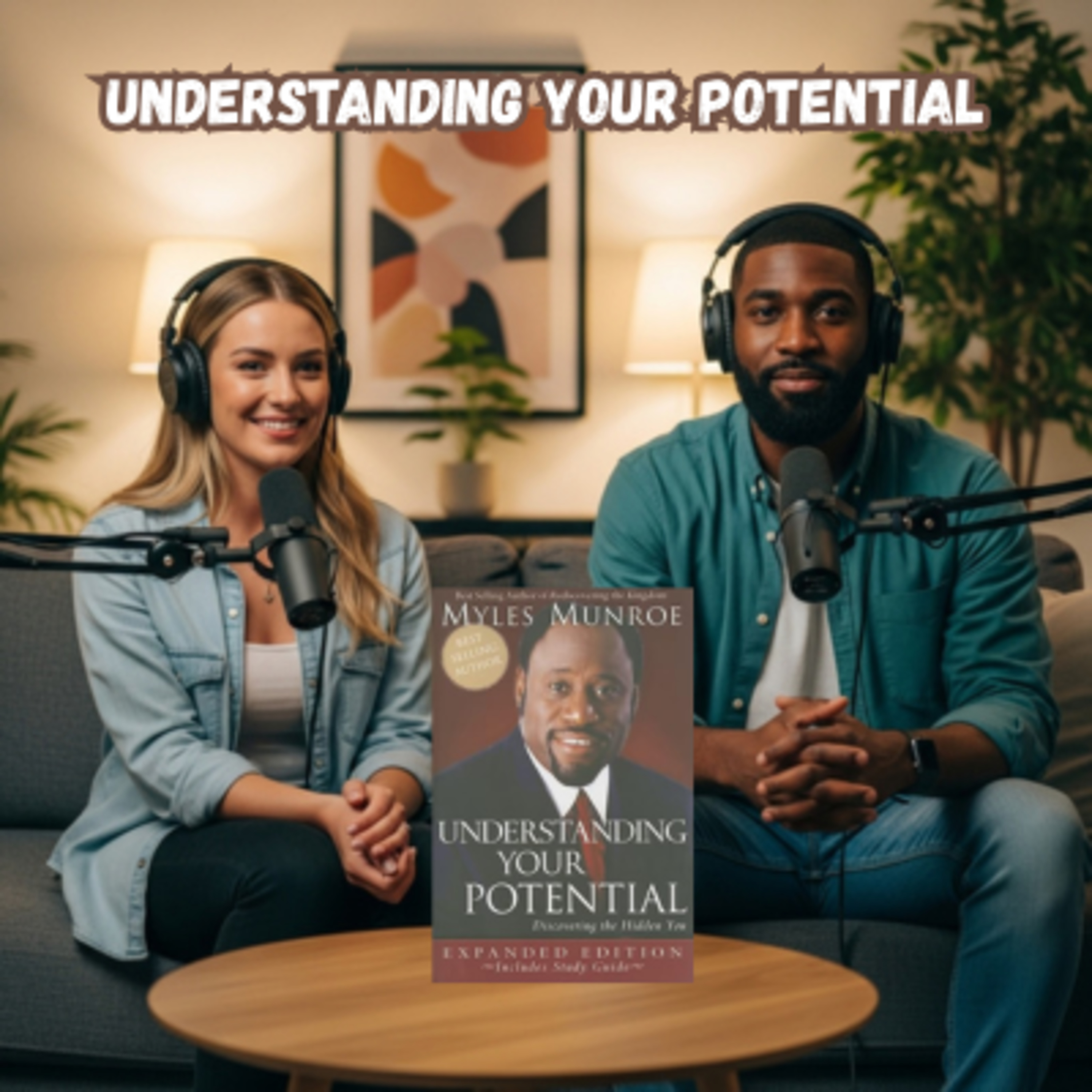
In this episode, we dive into Understanding Your Potential by Dr. Myles Munroe, a powerful and faith-driven guide to discovering the greatness God placed inside you. Munroe challenges the frustration many people feel with stagnation, unrealized dreams, and unfulfilled purpose, explaining that discomfort is often a signal of untapped potential calling for expression. Drawing on biblical principles and spiritual insight, the book teaches how to rise above the opinions of others, break free from past limitations, and unlock the hidden abilities waiting within. This episode explores how recognizing your God-given capacity can transform how you see yourself, your calling, and the impact you’re meant to have on the world.purpose discovery, unlocking potential, christian motivation, faith and purpose, personal growth, spiritual development, leadership mindset, destiny, self discovery, christian living, motivation and inspiration, personal development, productivity hacks, personal development, success strategies, business insights, leadership skills, leadership, ambitious professionals, business tips, self help, scaling business, business tactics, professional development, startup growth, entrepreneurship, business mindset, growth strategies.
OK, let's dive in. We're looking at this idea. What if everything you actually need to succeed to really live a life filled with purpose and impact, is already inside you, right? It sounds simple, maybe almost too simple, but it's a profound question. It really is, and that's the core of what we're exploring in this deep dive. Yeah, looking at source materials shared by you, our listeners, especially insights from Miles Monroe's book Understanding Your Potential. Yeah, that book makes a powerful case for it really flips the script on the usual external view of success, doesn't it?
Totally. Suggesting our greatest resources aren't out there somewhere. But right here inside, waiting to be uncovered, cultivated. Exactly. So our mission today is to sort of cut through the noise, pull out the key insights from these sources about unlocking that innate potential. And figure out, OK, how do we actually apply this? How do we bring it to life? The source material kicks off with this fantastic analogy. It really sets the scene. Think about a simple mango seed. Small thing, doesn't look like much.
Right. But inside that tiny shell, the complete genetic blueprint, you know, the undeniable potential to grow into this massive, fruitful tree. A tree that could last for generations even. And the argument which I find really compelling is that you are exactly like that seed. Yeah, you might feel small sometimes, maybe a bit ordinary or even, you know, insignificant. But you are absolutely packed with incredible untapped greatness. It's not something you need to get. It's something you already have.
It's like buried treasure that's been there all along. Just waiting. It's a total mindset shift. Completely So this deep dive isn't about finding greatness out there, it's about looking inward. We're going to pull out some powerful lessons from this material, lessons that can genuinely help you well, start playing small. And start living as fully as that potential inside you allows. So if potential is the seed, what helps it grow? What are the like the conditions, the nutrients needed? The sources layout several core principles, kind of like guides for this whole process.
And the first one, the most fundamental, is simple. But wow, it's profound. You are full of untapped potential. Period. Yeah, it's not about what you've done so far, what you've achieved yet. It's about what you're capable of becoming. Like that seed it get, its potential isn't measured by the dirt it's sitting in right now. But by the massive tree it could become, the source mentions Michael Jordan, you know, famously cut from his high school team initially. Right, that set back didn't mean he lacked potential.
Not at all. It just hadn't been nurtured yet, hadn't found its full expression. That's such a crucial point. It means your past doesn't define your potential. It's always there. Always present. But OK, that raises a question, doesn't it? If it's always there, why don't we all just automatically flourish? Good question, and the source moves quickly to the second principle, purpose. Purpose is the key that unlocks potential. The why? Knowing your unique reason for being here, that gives you direction.
It's like the seed knowing if it's meant to be an apple tree or an oak tree, right? That purpose dictates the kind of growth it pursues. Exactly. The source uses this analogy of a powerful smartphone, huge capabilities, but if you don't know its purpose, you might just use it for basic calls, ignoring everything else it can do. So your life, your potential is similar. Discovering your purpose focuses all that power. Think about Oprah Winfrey mentioned in the Source. Her purpose, her drive to empower others channeled her abilities into this massive global.
Influence. It really makes you think what is that unique frequency only you can broadcast? OK. So we've got belief in the seed and purpose giving it direction. What's a major thing that stops that little sprout from even pushing through the soil? The source hits hard on the third principle. Stop comparing yourself to others. Oh yeah, comparison in this view is just like it's the absolute killer of potential. It's like trying to grow your mango seed, but you keep digging it up to see if it's growing as fast as the oak sapling next door.
Exactly. Your journey is yours alone. Your timeline is unique. The example of Albert Einstein works so well here. Struggled with language early on, didn't speak fluently till he was or wasn't some star student. If he'd spent all his time comparing himself to kids who are maybe more, you know, normal academically or verbally. He might never have followed that unique path of thought that literally changed physics. It just shows comparing your like internal potential or your early growth stage to someone else's finished product, their external fruit.
It's misleading. It can paralyze you. Totally focus on your seed. Which leads us straight into the 4th big barrier the source identifies. Fear and doubt your biggest enemies. Yeah, this material presents fear and self doubt as these huge walls we build around our own potential. They stop us from even planting the seed sometimes right, or from taking the risks needed to grow. Fear keeps asking, yeah, but what if you fail? And that often stops us dead in our tracks. The story of Thomas Edison and the light bulb is used here.
Classic example. Thousands of failed attempts. Can you imagine the doubt, The fear of looking foolish or thinking all that effort was wasted? But he didn't let it stop him. He saw each failure not as proof he couldn't do it. But as just another step on the path, ruling out what didn't work. So if fear is like frost on the ground, how do you breakthrough? The source implies you just have to act. You act despite the fear which takes us right to principle #5. Discipline Discipline is the bridge between having potential and actually achieving something with.
This is the hard truth. Bit potential is the raw stuff, the ingredients. But discipline is the consistent work, the daily watering, the wedding, protecting it. Talent might get you noticed, get you in the game, as they say. But discipline, that's what helps you win. Look at Serena Williams, another example. Used incredible talent, obviously. Undeniable, but her dominance that comes from relentless daily training, showing up, doing the work, even on days she probably didn't feel like it. That consistent effort is what turns potential into peak performance.
It's about realizing the seed needs that daily care, like you said, not just one big splash of rain now and then. OK, so we've got belief, purpose, avoiding comparison, facing fear, and applying discipline. What about the world around us? External factors. Critical principle number six. Your environment matters. You need to surround yourself with the right people. Right, the course makes the point that just like a seed won't thrive in toxic soil. Your potential needs a nurturing environment to grow.
The people around you can either be like sunlight and water for your seed. Or they can be the weeds that choke it out. Simple as that. The source mentions Steve Jobs and Steve Wozniak building Apple that collaboration. Yeah, they challenged each other, inspired each other, supported each other. They created this environment where their combined potential could just flourish. Explode really. It really makes you pause and think, doesn't it? Are the people closest to you, lifting you up, encouraging your growth, challenging you in a good way?
Or are they maybe unintentionally, sometimes sowing seeds of doubt and negativity? Your soil quality is huge. And building on that idea of environment, the 7th principle brings a focus right back to you. Take radical responsibility for your own growth. This is another one of those tough love points from the source material. Yeah, nobody's going to come along and dig up your potential for you. It's your seed. The responsibility for nurturing it, for learning, practicing, pushing yourself, rests entirely with you.
JK Rowling is a powerful example here. Writing Harry Potter in cafes. Single mum facing rejection after rejection. She didn't wait for someone to discover her or give her permission. She took responsibility for getting that story written and putting it out there. It just hammers home that you have to invest in yourself, your time, your learning, your effort. Growth starts the moment you truly own that gardening process. OK, so finally after covering all these elements of realizing potential, the source kind of zooms out.
Principle #8 Leave a legacy, not just a life. This challenges us to think beyond just our own success or achievements. It's about the fruit your fully grown tree will bear for others, for the world. Right. Channeling your potential not just for personal game, but for contribution, for impact that lasts beyond your own lifetime. Martin Luther King Junior is used as an example. His potential wasn't just for his own accomplishment. It was channelled into leading a movement that left this incredible, lasting legacy of civil rights.
It makes you think, what impact do you want your fully grown tree to have on the whole landscape around it? It connects true fulfilment, doesn't it, with using your unique gifts, your potential to contribute something meaningful. And that could be through huge movements, sure, but also through a consistent, maybe smaller acts, sharing knowledge, helping your community. Yeah, just making a difference in your own way. OK, so those are the principles. How do we actually start doing this? How do we nurture that seed day-to-day?
The sources offer some practical steps, like a daily gardening routine. It starts with that consistent belief, right? Reminding yourself daily that the potential is there, like acknowledging the tiny embryo inside the seed shell. Then actively seeking clarity on your purpose. Maybe that means carving out quiet time journaling. Or just experimenting, trying things that genuinely excite you, seeing what aligns with how you want to contribute. And to fight that comparison trap, the practice is simple, but maybe not easy.
Focus on your growth. Track your own small wins, acknowledge your path is unique, and consciously appreciate others without measuring yourself against them. Facing fear? That means taking small, deliberate steps outside your comfort zone. Maybe just one a week to start. Yeah, just practicing showing the fear. It won't stop you building that muscle. Discipline gets built through habits, consciously forming habits, scheduling time for growth, learning, practicing. And then actually showing up for that appointment with yourself consistently.
Curating your environment. That's about actively seeking out positive, supportive people, people who challenge you in good ways. And maybe setting some healthy boundaries with negative influences. Choosing your soil carefully. And taking responsibility, yeah, that translates into setting clear personal goals for your growth. And checking in on your progress regularly. Celebrating the steps you take, no matter how small they seem. Finally starting that legacy. Yeah, that doesn't mean waiting until you're big or successful.
Not at all. It's about finding small ways today to use your gifts, your knowledge, to benefit someone else. Start dropping your own unique fruit now. So pulling it all together, the core message from these sources is just incredibly empowering, isn't? It it really is that immense potential for greatness, for fulfillment, for impact. It isn't something you need to chase down externally. It's already dwelling within you, just waiting to be unlocked. It's such a powerful reminder, though, that just having potential or, you know, dreaming big, that's not enough.
Right. It's the conscious, consistent, daily effort. It's the belief, the clarity of purpose, the courage to face down fear, the commitment to discipline. Choosing your environment wisely, taking that unwavering responsibility for your own journey. That's what allows your unique seed of potential to actually grow into the magnificent tree it was always meant to be. You are truly like that mango seed. You contain everything necessary for incredible growth and the ability to bear amazing fruit for the world.
So based on everything we've talked about in this deep dive, here's one last thought for you to maybe sit with. Given that potential is like a seed within you, what is one small act of nurturing you will commit to today? Just one small thing to help your unique seed begin to grow. Something to reflect on. Take action. Keep exploring your own powerful path forward. Absolutely. That's it for this deep dive. Keep learning, keep growing.
 Apple Podcasts
 Castbox
 Castro
 Goodpods
 Moon FM
 Overcast
 Pocket Casts
 Podbean
 Podcast Addict
 Podcast Republic
 Spotify