Sell It Like Serhant: How to Sell More, Earn More, and Become the Ultimate Sales Machine
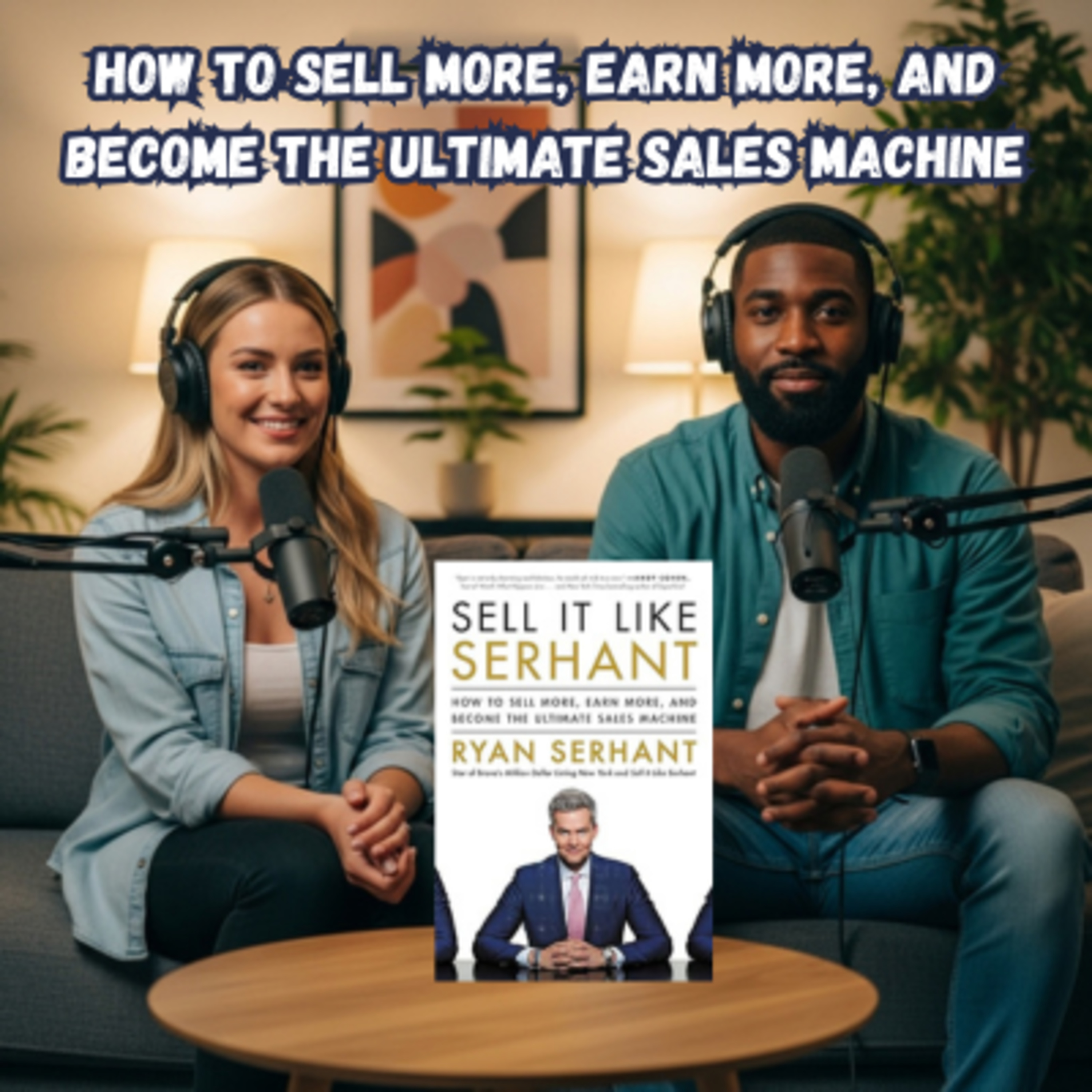
Sales isn’t a talent—it’s a superpower you can build. In Sell It Like Serhant, real estate mogul and TV personality Ryan Serhant shares the high-energy, highly practical strategies that took him from broke, jobless hand model to one of the world’s top realtors.
In this episode, we break down Serhant’s signature frameworks: the Seven Stages of Selling, how to find and sharpen your “hook,” how to negotiate like a boss, and how to manage your time like a revenue machine. Through bold stories and actionable lessons, you’ll learn how to build confidence, attract clients, juggle multiple deals, and close consistently—every single time.
Whether you sell real estate, ideas, products, or your own expertise, this episode gives you the mindset and systems to level up your results and dominate your market. Because selling isn’t just a job—it’s a lifestyle.
#SellItLikeSerhant #RyanSerhant #BookTunez #SalesMastery #NegotiationSkills #HighPerformanceSales #EntrepreneurMindset #RealEstateSales #CloseTheDeal #SalesStrategy #Motivation
Welcome to the Deep dive. Today we're we're cracking open some really interesting material. Yeah, what do we got? It's excerpts from Sell It Like Sirhant Too by Ryan Sirhant. Sirhant OK. And our mission, you know, for this deep dive, is pretty straightforward. Take the source, pull out the key insights, the really important stuff. And it's not just sales tactics, is it? I mean his own story is a great way in. Totally. Started out as this broke actor in New York City, really struggling, couldn't sell anything apparently.
And then he built this whole system step by step. Became this, you know, top real estate guy. It really shows, doesn't it, that these aren't just tricks for selling. They're kind of like life principles for building something. Anything really. Exactly from the ground. Up. It just nails that idea that you don't have to be like a born salesperson. Anyone can learn this stuff. Selling a house, selling an idea, even just selling yourself in an interview, you know? These are learnable skills. So think of this deep dive as your shortcut, getting to grips with Sir Hans approach, but also maybe some deeper drivers of success.
Sounds good. We've pulled out eight key lessons, plus some practical ways to actually use them. OK. Let's get into it. So diving straight in first lesson he calls them a game changing, which is quite a claim. Well, let's see what's #1. It's foundational. Persistence is your superpower. OK, Superpower. I like that framing. It's not just work hard, it makes it sound like something you can like activate. The core idea seems to be it's not about natural talent, not the smartest, not the smoothest talker necessarily.
It's the daily grind, showing up, doing the work and just refusing to quit, especially when it's tough. And he lived it right, that actor story. Completely failing, getting knocked down, but using every single failure as like data to learn to get better. It makes so much sense. It's not just hoping you win, it's building the strength to keep going after you lose. The source mentions an analogy like a student failing math tests. They don't just give up, they get help. They practice, practice, practice.
And eventually they get it, maybe even become great at it. Exactly. That stubborn effort changes the game. And the book gives you practical ways to build this superpower, like set small daily goals, tiny ones. Manageable ones. Yeah, just to build that feeling of progress. Focus on the next step, not the whole mountain. And this is key. Learn from rejection. Don't just hear no, ask why. Figure it out. Adapt. And celebrate the small wins, right? Keep the fuel tank topped up. Definitely, otherwise you just burn out.
That idea of learning from rejection? It flips failure on its head. It's just feedback. It really is. So think about it for you listening, where could you apply that superpower? Where could you lean into persistence a bit more? OK, so building on that grid, that persistence, the next lesson is about, well, creating opportunities. Say yes to opportunities. This one's big because it's often fear that holds people back. Totally fear of not being ready if you're a failing. Exactly. And Sir Han's point is that his own career really ignited when he started saying yes to things, even when he felt unprepared.
Right learning on the job. Learning on the fly, saying yes throws you in the deep end, forces you to learn, and you grow so much faster than just waiting until you feel ready. Which might be never. Could be never. You gain experience you just can't get sitting on the sidelines. It's like that analogy. The shy person who gets offered a part in the school play. Yeah, terrifying, probably. But if they say yes, maybe they find a hidden talent OR gain confidence or meet new people. The potential upside is huge.
It outweighs the initial fear usually. So the challenge here is to look at what you might be saying no to. What opportunities are you maybe avoiding because they feel uncomfortable? And the practical advice is just try it. Take a chance, even if you're nervous. Reframe the challenge. See it as a stepping stone, not a roadblock, and ask yourself actively what's the best thing that can happen if I say yes. Focusing on the positive potential that could give you the courage needed. Exactly. So what opportunities are maybe sitting there for you right now waiting for a yes?
OK. So you say yes, but then what? That leads right into the next one. Work for the deal, right? Saying yes is just the start. This is about the the elbow grease required afterward. No magical thinking here. Not at all. Opportunities don't just appear fully formed, you have to earn them through real effort. So what does that look like according to Sir Han? It means doing your homework, researching needs, knowing your stuff, showing up prepared and consistently going the extra mile. Showing value through what you do, not just what you say.
It reminds me of like a really good Baker, not just the standard stuff. How so? The one who actually listens, finds out what the event is, customizes the cake, adds those little touches, that extra care. Builds loyalty, makes people come back. Bill's reputation, yeah. It's the effort that distinguishes them. Exactly. So practically ask yourself, how can I serve this person better or this situation, this client? Show genuine interest, not fake interest, right? Active interest and be proactive. Don't wait to be asked.
Anticipate needs, offer solutions. So where could you put in that little bit of extra effort today? Now this next one feels absolutely critical for long term success, especially in anything involving people. Master the art of follow up. Oh yeah, this is huge. He has this thing called the three FS rule. Three FS, OK. Follow up, follow through and follow back. OK, break that down. Follow up is just staying in touch, not letting contacts go cold. Follow through is crucial. Actually doing what you promised you'd do.
That builds trust, right Integrity. Massively and follow back is reconnecting with people later on, maybe checking in, seeing how things are going. It's relationship maintenance basically. It sounds simple, but it's easy to let. Slide so easy. Think about, I don't know, your hairdresser or maybe a contractor if they send a quick text after your appointment. Hey, how's the cut or everything OK with the work? That little check in. Makes a difference. It shows they care beyond the transaction. Makes you remember them, recommend them.
Exactly. It's that consistent touch point. So the tips here are really practical because this does fall through the cracks. Use reminders, apps, calendars, whatever works. Schedule it in. If it's not scheduled, it probably won't happen. And always, always deliver on promises, big or small. That's non negotiable for trust, right? And don't forget your past contacts, old clients, colleagues. They're often your best source for future business or referrals. Stay connected. So where in your world, your work, your network could better follow up really make a difference?
OK, moving slightly into the the softer skills, but just as important. Lesson 5. Empathy sells. This is about emotional intelligence in action, isn't it? Yeah. I think so, recognizing what the other person is feeling. Especially when they're making big decisions, buying a house, starting a project, people get nervous, overwhelmed, uncertain. And just acknowledging that, saying, hey, I see this is a big step. Exactly. Acknowledging the feeling, offering reassurance, making them feel comfortable. That builds trust on a whole different level.
You're connecting with the person. Not just the deal. Right. The source gives this great example. A real estate agent helping someone relocate. Instead of just rattling off square footage, the agent listens to their worries about schools, about fitting into the neighborhood. And then give some information about those things, parks, community groups. Yeah, it shows they care about the person's life, their whole transition, not just closing the sale. That's empathy in action. So how do you practice this?
It's about paying attention. Bring. Close attention not just to words, but tone, body language, how they seem. And if you sense hesitation or worry, offer. Reassurance. Explain things clearly, be patient, treat them like well, like a friend you're genuinely trying to help. Listening not. Just for facts, but for feelings. How could you try that today? OK, so you're doing all this, being persistent, saying yes, following up, being empathetic. How do you manage it all? That brings us to lesson 6. Organize your time with FKDFK.
D What's that stand for? Finder Keeper Dewer. OK, Finder keeper Dewer. It's a framework. Exactly. A mental model for structuring your work time. It says most roles involve these three hats. OK, let's. Break them down, Finder Finder. Is looking for new business prospecting, networking, generating leads, finding opportunities. Got it. Keeper, Keeper. Is managing what you already have nurturing relationships, keeping clients happy? Managing ongoing projects, maintaining things OK. And doer doer. Is well, doing the work, the actual tasks, the writing, the coding, the building, the paperwork, getting stuff done right, like.
A A freelance graphic designer. Perfect. Example. They need time to find new clients Finder, time to communicate with current clients about revisions and timelines keeper, and then actual time to sit down and design doer. You can't just. Do one or two. You need all three or things. Fall apart. So the advice is to be intentional about it. Schedule time for each role. Block it out. In your calendar. Maybe Finder activities or Monday morning keeper check insurance, Tuesday afternoon doer tasks, fill the rest, whatever works and focus.
On one hat at a time. Don't try to find while you're doing what. Exactly. Avoid that constant context switching which just drains your energy and focus so. How could using FKD, Finder, Keeper, Doer help structure your day or your projects now? In today's world, just being competent often isn't enough, is it? There's so much noise, so. True. Which leads nicely into the next lesson. Lesson. 7 Be the one who stands out. Yes, be unique. You got to be memorable in a good way. Hopefully yes. Definitely in a good way.
It's about identifying what makes you or your service or your approach different, your unique. Selling proposition essentially, but maybe broader than that could be personality or specific expertise or just exceptional service, whatever. It is. Find it, own it, and emphasize it, right? That analogy mentioned earlier, the coffee shop with a personalized note. Yeah, that's it exactly. The coffee might be the same as next door, but that little unique touch makes you. Feel seen makes you remember them, makes you choose them so.
How do you figure out your unique? Start by looking at your strengths. What do you do really well? What do people compliment you on? What? Feels easy to you but maybe harder for others. Build. Around that and consistently try to deliver a little bit more than expected over deliver slightly build that. Personal brand, be consistent so people know what unique value they get from you you take. A moment. What makes you uniquely valuable? What's your thing? OK. Last one, and maybe the most crucial for actually getting things moving.
Lesson 8. Take action now. The antidote to procrastination? Exactly. Sir Han is really strong on this. Urgency is key. Waiting for the perfect moment, It's. Usually just fear disguised as planning, right? Hesitation kills momentum. It lets opportunity slip by. Action, on the other hand, even small action, creates. Energy creates momentum, moves the needle forward. It's that. Classic example, right? Thinking about starting A blog versus actually writing the first sentence? Totally. If you wait for the perfect theme, the perfect name, the perfect first 3 posts all outlined, you might.
Wait forever, but just. Write that first paragraph. Bam, you started progress. So the. Practical steps are but require discipline. Break big scary tasks down into the. Smallest possible first step? What's the absolute minimum you can do right now? Stop the endless overthinking. Just start. Focus on that one step and remember. That phrase done is better than perfect, especially the beginning. Get it out there, then iterate action. Today gets results sooner than perfect plans tomorrow. Absolutely.
So what's one small action, just one tiny thing you've been putting off that you could do like right now in the next 5 minutes, so. We've gone through these eight lessons from the Sarah Hant material persistence, saying yes, working for it, follow up, empathy. Organizing with FKD, standing out, taking action and what? Really strikes me is, yeah, they come from a sales context, but they're not just about sales, are they not at. All they feel like life lessons really about building resilience, connecting.
With people authentically managing. Yourself and your time effectively and just. Consistently moving towards whatever your goals are, big or small. Exactly. Doesn't matter if you're selling software, pitching a community project, trying to get a promotion, or just, you know, building a life you're proud of. Applying these ideas, maybe not all at once, but picking one or two to focus on can really help you stand out and, well, succeed. Make. Progress get unstuck, right? Which brings us to that final thought drawn from that last lesson.
Especially if progress truly beats procrastination, what is one thing you have been waiting to perfect instead of simply starting?
 Apple Podcasts
 Castbox
 Castro
 Goodpods
 Moon FM
 Overcast
 Pocket Casts
 Podbean
 Podcast Addict
 Podcast Republic
 Spotify