Help Them Grow or Watch Them Go
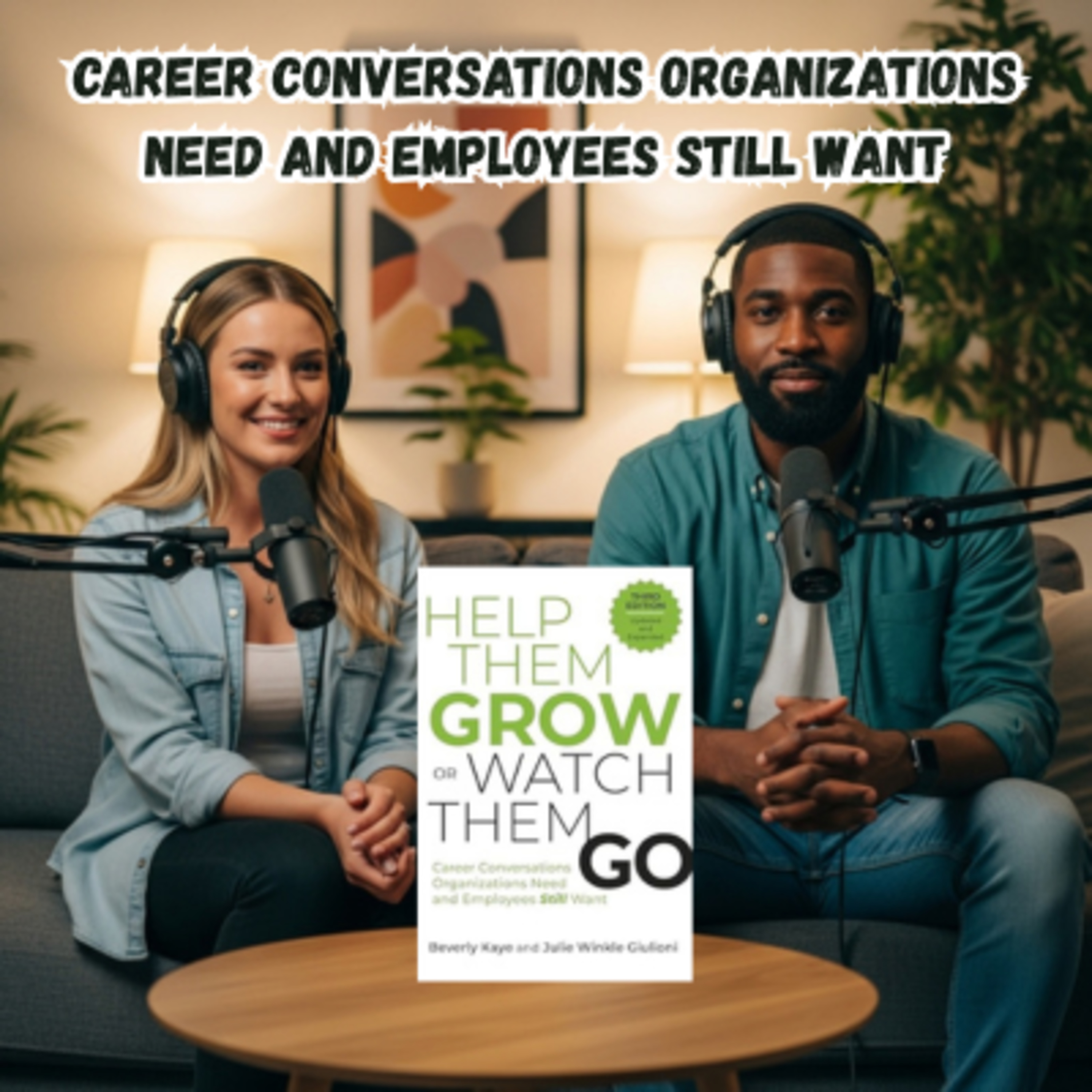
In a world where top talent has more options than ever, how do leaders keep their best people engaged and growing? In Help Them Grow or Watch Them Go, Beverly Kaye and Julie Winkle Giulioni reveal the simple but powerful truth: employees don’t leave companies—they leave managers who stop investing in their development.
This episode unpacks how short, meaningful career conversations can transform your team’s motivation and loyalty. You’ll learn how to weave growth discussions naturally into everyday work, help employees see possibilities beyond their current roles, and align personal goals with organizational needs—even in remote or hybrid settings.
Because when you help people grow, you help your business thrive. Ignore their development, and you’ll watch your best talent walk out the door.
If this episode sparked new ideas for how you lead, follow BookTunez for more practical and powerful insights every week. 🎧
Share this episode with a manager or HR leader who wants to keep great people inspired, not just employed.
Because when leaders grow others, everyone wins.
#HelpThemGrowOrWatchThemGo #BeverlyKaye #JulieWinkleGiulioni #BookTunez #LeadershipDevelopment #EmployeeEngagement #CareerGrowth #TalentRetention #PeopleManagement #HybridWork #HRLeadership
Hey everyone. Welcome back to the show. Today we're doing a deep dive on a book all about employee development and retention. It's called Help Them Grow or Watch them Go. And the authors are Beverly Kay and Julie Winkle Giuliani. Excellent. So this topic is something I'm guessing is pretty relevant to, like almost everyone listening. Because whether you're, you know, maybe thinking about managing A-Team someday or you're feeling a little stuck at work, or even if you just want to feel a bit more valued where you are right now, I think this deep dive is going to give us some really interesting stuff to think about.
I agree, and I think one of the things that's most striking about this book is just how well it captures the shift in what employees are looking for now. Oh, interesting. It's. Not just about climbing the ladder anymore, you know what I mean? People are craving growth challenges and they're willing to leave if they don't find it. Yeah. And it's funny you should say that because I was just thinking about how it feels when you realize you haven't really learned anything new at work in, like, months.
Oh, yeah. And you're just sort of going through the motion. It's not exactly inspiring, is it? No, it's not. And the book really drives that point home right away in chapter 1. OK, it's called Develop Me or I'm History. Oh, that's pretty blunt. It is, and that's the point the the authors are saying that employee development has really become an expectation now, not just this like bonus perk that companies offer. Right, so it's not just about, you know, pizza parties and free gym memberships anymore.
Exactly, companies that don't get this are going to have a hard time keeping their best people. And this is beyond just like a nice thing to do, right? Absolutely. There's a real business case for investing in employee development. There is. The book actually cites a ton of of research showing that companies with strong development programs have way better engagement, higher retention, and ultimately a stronger bottom line. So it's a smart investment, not just a cost. Exactly. OK, so we've established that development is key.
But what if there's like literally no room for promotion at your company? Or what if you don't even want to climb the ladder? What then? That's where I think the book gets really interesting. It challenges that whole traditional up or out mentality, OK. And it explores all these other growth opportunities that go beyond just getting promoted. I love that because honestly, I think a lot of us get stuck in that mindset, you know? Yeah. Like we need that new title to feel like we're actually progressing.
Right, but the book is saying you can think about lateral moves, taking on challenging projects, even just mastering a new skill in your current role. OK, And all of those things can be just as valuable, even if they don't come with a fancy new title. So it's more about expanding our skill set and taking on new challenges exactly whether or not there's a formal promotion attached to it. Exactly, and sometimes growth can even come from just refreshing your perspective within your current role. Wait, so you're telling me I can actually find growth without even changing jobs?
You can think about it. Have you ever felt stuck in a rut doing the same tasks day after day? Oh yeah, all the time. Well, the book is saying that even without a new title, you can revitalize your job by seeking out new responsibilities. OK, maybe experimenting with different approaches or finding ways to add a bit more variety and challenge to your daily work. So it's like even just these little tweaks to our approach can lead to a feeling of growth and a renewed sense of purpose. Exactly. It's about finding those hidden pockets of potential that are already there in our existing roles.
I like that. Now, what about all those, you know, career conversations we're always hearing about? Do those really have to be these big formal sit downs with our manager? Like I always picture a stuffy boardroom, you know? That's exactly what's so refreshing about this book. Yeah, the authors are big advocates for these regular, informal check insurance. Yeah. You know, think like grabbing coffee with your boss or a quick debrief after a project. Those moments where you could just connect on a more human level.
Yeah, I can definitely see how that would feel less intimidating than a scheduled performance review, right? But how do you actually make sure those casual chats are actually productive? That's where the next chapter comes in. It's all about looking back before you can look ahead. OK, the authors encourage us to really reflect on our past experiences, both the wins and the, you know, not so wins, right? Because by doing that, we can gain some really valuable insights that help us set more realistic and fulfilling goals.
So it's about recognizing patterns in our work history, right? Like, what kind of projects really got us excited? Where did we excel in ways that maybe even surprised us? And what challenges seem to just keep popping up over and over? Again, exactly. By understanding our strengths and our weaknesses and the things that we genuinely enjoy doing, we can start to steer our career in a direction that feels more aligned with who we are. I'm already starting to see how all these pieces fit together, but let's be honest, reflecting on past mistakes isn't exactly always fun.
How do we make sure those reflections are actually helpful and not just discouraging? I think the key is to approach it with a growth mindset, so you're not dwelling on the mistakes themselves, OK, But you're focusing on what you learn from them, OK? What could you have done differently, right? How have those experiences shaped your approach to work like that? Saying experience is what you get when you didn't get what you wanted? Exactly. So it's all about reframing those past challenges as learning opportunities.
Exactly. And remember, this isn't just a solo exercise, OK? Those informal career conversations we talked about, yeah, those are a great opportunity to share your reflections with your manager and get their perspective as well. Oh, so it's like having a thinking partner? Yeah, to help you connect the dots and see patterns you might not have noticed on your own. Exactly. OK, I like that. But what about feedback? Yeah, isn't that something most people kind of dread, especially when it's coming from our boss?
Well, the book tackles this head on. They basically reframe feedback as essential nourishment for growth. OK, that's an interesting way to think about it. It is. It all comes down to the quality of the feedback, right? Good feedback is specific. It's balanced and it's focused on improvement, not blame. So instead of just saying like you need to be more organized, a good manager would actually give specific examples and suggestions for improvement. Exactly. And it's not just about what's not working, it's about acknowledging what is going well and building on those strengths.
So finding that sweet spot between, you know, constructive criticism and positive reinforcement. Exactly. And remember, this goes both ways. Oh right. Are you giving your manager feedback? Are you actively seeking out opportunities to improve how you work together? That's a good question. Honestly, I think a lot of us get so caught up in, you know, receiving feedback, yeah, that we forget it's actually a two way St. Exactly, open communication is key. OK, so Speaking of the bigger picture, yeah, the next chapter reminds us that both the workplace and our careers are constantly evolving.
Always changing. And to navigate those shifts effectively, the authors say, it's super important to stay informed. Absolutely. So like, what trends are emerging in your company and your industry? What new skills are in demand? Yeah, because having that knowledge helps you make smarter choices about your career path. Exactly. It's like checking the weather forecast before you set sail. You need to know what conditions you're heading into. Right, so you can adjust your course accordingly. Exactly.
And it's not just about external changes, OK? It's about staying in tune with your own evolving interests and aspirations as well. Right. So what excited you a year ago might not light you up today. Absolutely. So it's almost like setting a recurring reminder to check in with yourself and with your manager about your role and your goals. Yeah. Are you still on the right track? Do any adjustments need to be made? Exactly. And again, those check insurance don't have to be these big formal meetings, right?
Sometimes it's just a quick conversation over coffee or a casual chat after a team meeting. The key is just to make it a regular habit. Got it. So building that open communication loop where both you and your manager feel comfortable sharing your thoughts and observations. Exactly. It's all about that loop, you know, keeping it open so both you and your manager feel comfortable. Sharing So how often are we talking about here? Like is there some magic number for these check insurance? Not really.
I don't think it has to be about, you know, some specific frequency. It's more like finding a rhythm that works for both of you. OK, maybe it's a quick chat every week, or a deeper conversation once a month, or even just touching base whenever something big happens, you know? Right. So making it a natural part of your routine, not just this like obligation you check off the list once a year. Exactly. And you know, those conversations are also a perfect time to bring up those lateral moves we were talking about earlier.
Oh yeah, good point, because sometimes a sideways step can actually be the best way to move forward. It can. I think a lot of people see lateral moves as a sign that they're not really progressing though, yeah, or even worse, that they're being sidelined. That's true, yeah. But it all comes down to how we define success. A lateral move might not come with a promotion or a raise, right? But it can give you these amazing experiences that you just wouldn't get otherwise. Like what? Give me some examples.
Well, think about it. You could move to a totally different department. You could get to work on a different type of project. Yeah, you can even develop a whole new skill set, OK? All of these things make you a more well-rounded employee in the long run. It's like cross training for your career. Exactly. So even if it doesn't feel like you're climbing upward right away, a lateral move could be a really strategic way to expand your horizons and open up new possibilities down the road. And it could even help you understand how the whole company works, absolutely, which would be super helpful as you move forward.
Yeah, it's like getting a behind the scenes tour of the whole operation. I like that. OK, So what if a lateral move isn't really an option right now? Well, there's still tons of ways to inject some growth into your current role. Like we were saying, it's about taking initiative, being creative, and maybe even pushing yourself a little bit outside your comfort zone. OK, so how do we actually do that? Where do we even start? One idea is to volunteer for projects that really stretch your skills or expose you to new areas of the business.
You never know what you might discover or who you might meet. Right. It's a great way to show your boss that you're eager to learn and take on new challenges. Exactly. It's basically saying hey, I'm ready for more. I like that, and sometimes it's as simple as just asking for more responsibility or more challenging assignments. It is. You'd be surprised how often those opportunities are already out there. Yeah, if you just speak up and ask, the worst that can happen is they say no, right? And even then, you've at least planted the sea.
Yeah. You've shown that you're thinking about growth and taking initiative. Exactly, and sometimes just changing your mindset about your current role can make a huge difference. Oh, OK, so instead of focusing on what you're lacking, it's about appreciating what's already there. Yeah, maybe there's a new skill you can apply to a familiar task. OK. Or a different approach you can try. It's about finding those little pockets of growth potential that might be hidden in plain sight. It's like giving your job a makeover, you know?
Oh, I like that you're working with the same basic materials, but you're finding creative ways to refresh the space. Yeah, finding those little sparks of excitement within the familiar. And let's be real, growth isn't always like this perfectly straight line, right? It can be messy and unexpected and take us down paths we never would have predicted. But that's the beauty of it, you know, it's a journey, not a destination. The important thing is to stay curious, stay open to new things, and just never stop learning.
And to be OK with taking a detour every now and then. Oh. Absolutely. Sometimes those detours lead to the most amazing discoveries. Totally. OK, so Speaking of discoveries, yeah, one thing that really resonated with me from the book was this whole emphasis on a company culture. Oh yeah. Because it's not enough for just individuals to be growth minded. The company itself needs to create an environment that supports an encourages development. Absolutely. It's like planting a seed in fertile ground.
Right. Even the most ambitious seed needs the right conditions to thrive. Exactly. And that starts with leadership. Managers have to set the tone and create that culture of continuous learning. So it's not just about offering training opportunities and stuff, it's about creating a space where people feel safe to experiment, to make mistakes, and to learn from them. Exactly. It's about shifting the focus from blame to improvement. Instead of punishing people for mistakes, we need to see them as valuable learning opportunities.
And create a culture where people feel comfortable asking questions, sharing ideas, and offering each other constructive feedback. Absolutely. Yeah. And it's also about celebrating successes, no matter how small, recognizing and appreciating people's efforts. Yeah, making people feel valued for what they contribute. Exactly. When you do that, you create this amazing cycle. Employees feel supported, so they're more engaged, more productive and more likely to stick around. And that, in turn, fuels the company's success.
It's a win win for everyone. OK. But let's be real not and every company has that kind of growth oriented culture. So what can we do as individuals to make things better, even if we're not in leadership positions? Well, for one thing, we can be supporting colleagues, encourage each other, share knowledge and resources, and celebrate each other's wins. It's like building that peer support system. Exactly. We can all learn from each other and help each other grow. And we can be proactive about seeking out growth opportunities and sharing those with others.
Absolutely. So if you see an interesting article or a conference or even an online course, share with your team. Spread that growth mindset. You know, create that ripple effect. Exactly. And remember, even little things can make a difference. Like what? Offering to help a colleague who's struggling with something, giving constructive feedback or just acknowledging someone's hard work. Just those small acts of kindness and support. Exactly. Yeah, it all contributes to a more positive and growth oriented environment.
OK. So we've talked about the importance of growth and the different forms it can take and the role of company culture. Yeah. What about those times when we feel stuck? You know, maybe we're not sure which direction to go in or we're just feeling uninspired. The authors talk a lot about the importance of self reflection in those moments, taking the time to really think about what you enjoy doing, what your strengths are, what kind of work makes you feel energized. So it's about getting to know yourself better.
Exactly what are your values? What are you passionate about? What are you really good at? And sometimes that means stepping back from the daily grind. Oh yeah. And creating some space for quiet reflection. Yeah. You know it's hard to hear that inner voice when you're constantly bombarded with external noise. So like going for a walk in nature maybe? Yeah. Journaling, meditating, taking some time away from screens. Exactly. Just create some moments of stillness where you can really reconnect with yourself.
Yeah, tune into your own inner wisdom. Exactly, and once you have a clearer sense of what you're looking for, you can start taking steps towards those goals. And sometimes that might mean trying something totally new, right? Yeah. Maybe taking a class, volunteering for a different project, or even considering a whole career change. Absolutely. It's about being open to possibilities you might not have even considered before. So being open to those new paths. Exactly. And remember, it's OK to not have all the answers right away.
There's no rush to figure everything out overnight. It's about embracing the journey. Exactly trusts the process and be open to those detours. Yeah, because sometimes those detours lead to the most fulfilling destinations. Absolutely. You never know what you might find when you venture off the beaten path. I love that. OK, so it sounds like adaptability is another key take away here. It is in today's world, being able to adapt to new situations and learn new skills is so important. So it's not just about having a plan, it's about being flexible and willing to adjust course when you need to.
Exactly. And that means having a growth mindset, embracing challenges as opportunities for learning, and being willing to step outside your comfort zone. So recognizing that change is going to happen no matter what and embracing it as a chance to grow and evolve. And it's also about, you know, being kind to ourselves along the way. Oh. Absolutely. Because growth can be tough. It can. And it's OK to, you know, mess up sometimes. Yeah, you're going to have setbacks. It's totally normal. The important thing is to learn from those experiences and keep moving forward.
Right. Don't let the fear of failure stop you from taking risks. Exactly. It's about progress, not perfection. Exactly. And remember, you don't have to do this alone. Yeah, you've got your support network, right? Right. Your friends, your family, your colleagues, your mentors, they can all offer encouragement, guidance, a fresh perspective. They're like your cheering squad. Exactly. They're there to remind you how awesome you are and to help you get back on track when you need it. And sometimes just talking things through can be so helpful.
It can. Just putting your challenges and your dreams into words can really help you clarify things. Yeah, and find solutions. Exactly. So for anyone out there who's feeling a little lost or uncertain about their career, I think the best advice I can give you based on this book is ask yourself this. What would make me excited to get out of bed in the morning 0. That's a good one. What kind of work would make you feel, you know, energized, engaged, and fulfilled? And then start exploring those possibilities, no matter how big or small they might seem.
I love that question because it really gets to the heart of, you know, what actually matters to us. It does. And it reminds us that work doesn't have to be a drag. No, it can be a source of joy and purpose and fulfillment. Absolutely. And remember, growth isn't a destination, it's a journey, right? So enjoy the process, be patient with yourself, and never stop learning and evolving. I love that it's about finding that sweet spot where our skills and our passions meet the needs of the world exactly, and constantly challenging ourselves to become the best versions of ourselves.
Yes. And you know, one final thought I want to leave you with is this OK? Even if you absolutely love your job right now, there's always room for growth. I think that's something a lot of people forget. They think growth only happens when you get a promotion or switch companies. But it's not true. There's so much potential for growth within our existing roles, right? If we just open our minds to it. Maybe it's taking on a new project, learning a new skill. Yeah, mentoring a colleague. It's about keeping things fresh.
Exactly. Challenging ourselves, Yeah. Never stopping learning. It's like adding a little spice to a familiar recipe. Oh I love. That you're not changing the core ingredients, but you're adding a new flavor that makes the whole thing even better. Exactly. It's about keeping things interesting and preventing ourselves from getting bored or complacent. So as we wrap up this deep dive into help them grow or watch them go, what's the one big take away you want our listeners to remember? I think it's this growth is essential for both individual and organizational success.
When people feel supported in their development, everybody wins, are more engaged, more productive, more likely to stay with the company. It's a win, win all around. It is, and it all starts with the understanding that employee growth isn't just a nice thing to do, it's absolutely crucial in today's world. A. Huge thank you to Beverly Kay and Julie Winkle Giuliani for sharing these incredible insights with us. Absolutely. And to all of you for joining us on this deep dive into help them grow or watch them go.
Thanks for listening. We hope you've learned some new things and that you'll alley them to your own career journeys. Remember, growth is a continuous process. Keep learning, keep exploring, and never stop striving to reach your full potential. And most importantly, have fun along the way.
 Apple Podcasts
 Castbox
 Castro
 Goodpods
 Moon FM
 Overcast
 Pocket Casts
 Podbean
 Podcast Addict
 Podcast Republic
 Spotify