Actualized Leadership: Meeting Your Shadow and Maximizing Your Potential
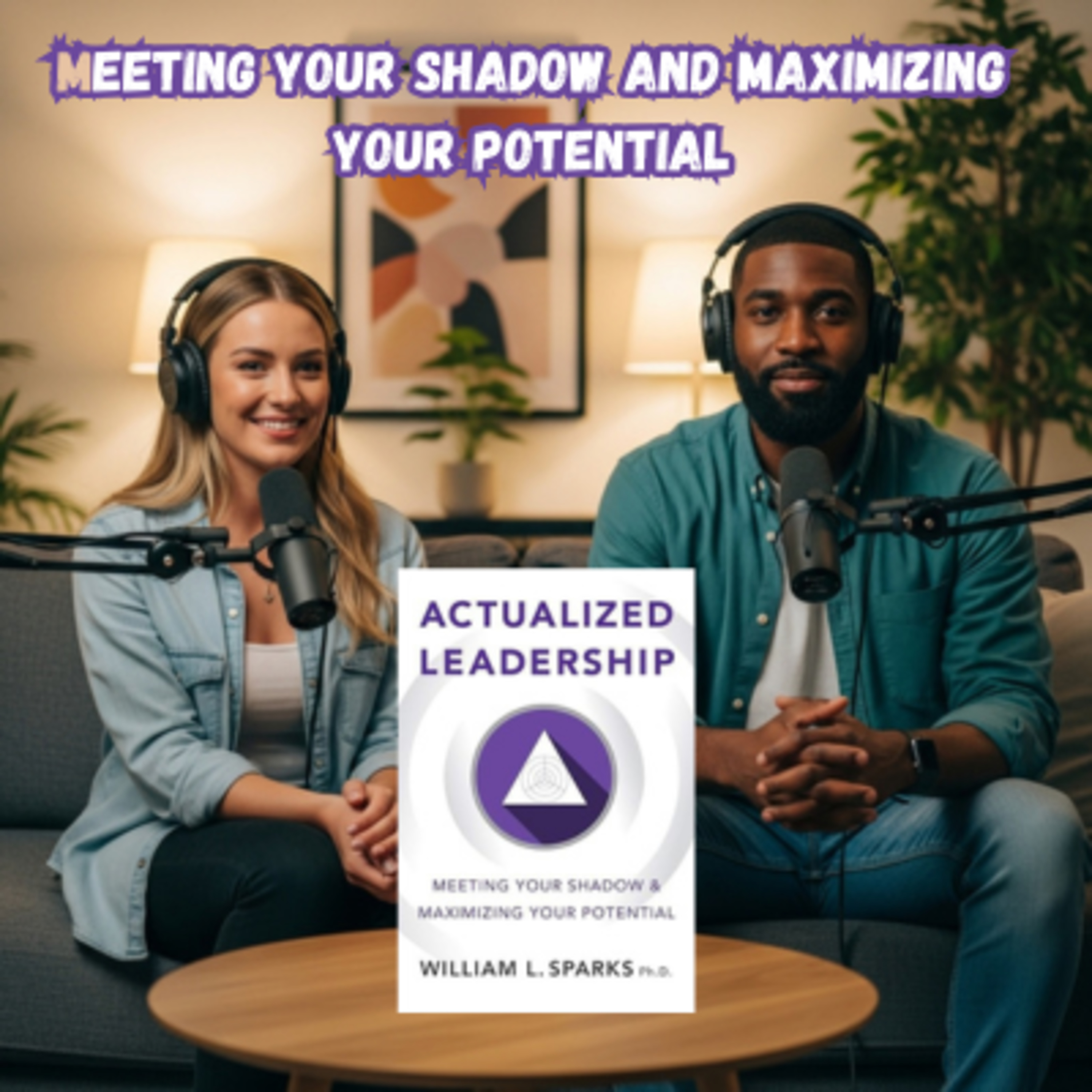
What separates good leaders from truly great ones? In Actualized Leadership, psychologist Dr. William L. Sparks blends the timeless wisdom of Maslow, Jung, McClelland, and Frankl to explore what it really means to lead from your highest self. Grounded in science and personal development theory, this book reveals how the journey to effective leadership begins with self-awareness—especially the parts of ourselves we’d rather ignore.
In this episode, we unpack the nine traits of actualized leaders and the importance of meeting your “shadow”—those hidden fears and behaviors that hold you back from your full potential. You’ll learn how to align your inner drive with purpose, balance ambition with authenticity, and lead in a way that uplifts both people and performance.
Because the greatest leaders aren’t just skilled—they’re self-aware.
#ActualizedLeadership #WilliamLSparks #BookTunez #LeadershipDevelopment #SelfAwareness #PersonalGrowth #Maslow #EmotionalIntelligence #AuthenticLeadership #MindsetShift #OrganizationalSuccessIf this episode challenged you to look inward, follow BookTunez for more powerful leadership and mindset insights every week. 🎧
Share this with a leader or colleague who’s ready to grow beyond ego and lead with purpose.
Because leadership isn’t just about what you do—it’s about who you become.
Ever feel like leadership's less about, you know, striding confidently ahead and more like trying to navigate a minefield but blindfolded? Yeah, me too. But what if those hidden tripwires, those things that we trip over, we're actually like, the key to becoming a better leader? That's what we're going to dive into today with William Sparks's book Actualized Leadership. We're going beyond like the typical pep talks and getting into like the nitty gritty psychology of what makes a truly effective leader.
And get this, it all starts with something called our shadow. That's right. It's often a part of ourselves that we tend to overlook, the one we kind of try to hide and bury. Yeah. But Sparks argues that our shadow, you know, that those weaknesses and blind spots are actually a wellspring of potential. So instead of running from our flaws, we should be like leaning into them. Yes, I'm sensing a real what doesn't kill you makes you stronger vibe here. Exactly, Sparks called those moments where we stumble our F in life.
F in life. And they're not failures to be ashamed of, but rather they're neon signs pointing directly at the areas where we can grow. OK, so let's say like I totally botched a presentation. How does that like F moment become a leadership opportunity? OK, we'll think of it this way. Instead of blaming like the tech issues or or the audience's lack of attention, you got to look inward. Maybe you realize you weren't as prepared as you could have been, or that your usual engaging style fell flat because you were nervous about this particular audience.
That's your shadow emerging. Perhaps a fear of public speaking or a tendency to over rely on charm instead of, you know, substance. Interesting. So by owning the F moment and digging into the Y, we uncover this like hidden area for growth. It's like every mistake is actually a custom made leadership lesson just for us. Yeah. That's the idea, and by addressing those weaknesses, you don't just become a better presenter, you become a more self aware and effective leader overall. This is making me rethink every time I blamed a bad Wi-Fi connection for like a flubbed meeting.
But let's be honest, we all like to think we're pretty self aware, right? I mean, who knows this better than ourselves? Well, that's where things get really interesting. Sparks actually debunks the myth of self-awareness. OK, he says that while we might have good intentions, our self perception is often skewed. Hold on, you're telling me I might not know myself as well as I think I do? I'm not sure I like where this is going. It's not that you don't know yourself at all, OK? It's that our view can be limited.
We can be blind to our blind spots, so to speak. Yeah, it's like trying to see the back of your own head without a mirror. OK, yeah. So if our self-assessment isn't always accurate, how do we get a clearer picture? This is where Sparks gets practical. OK, he says. We need to seek feedback and not just, you know, casual opinions. He emphasizes the importance of getting input from trusted sources, people who know us well both personally and professionally. So we're talking about having those sometimes uncomfortable conversations with like family, close friends, colleagues, asking them what do I need to work on?
What am I not seeing? Exactly. Think of it like this. You might think you're coming across as a decisive leader, but perhaps your team sees you as a bit domineering. That feedback, while potentially tough to hear, is invaluable. It's like getting a 360° view of yourself instead of just seeing your reflection in a funhouse mirror. That's a great analogy and that honest feedback, it helps us bridge the gap between how we see ourselves and how others perceive us, which is critical for growth as a leader.
And that brings us to Sparks framework for putting all this self-awareness into action. A framework. OK, I'm all about a good framework. Makes things nice and pretty well. This one's called the Actualized Leadership Framework. Yeah. And it goes beyond just focusing on, you know, what we do as leaders. Sparks argues that to be truly effective, we need to be aware of the thoughts and feelings that are driving our actions. So it's not just about the doing, it's about understanding the why behind the doing.
Almost like a mindfulness practice for leadership. It is very much about mindfulness. Yeah, let's say you need to give critical feedback to a team member instead of just jumping in the actualized leader. Using this framework, first take stock of the situation. OK, What specifically needs to be addressed? That's the thought element. So we're starting with a clear and objective analysis of the situation. What comes next? Then you check in with your own emotional state. Are you coming from a place of frustration or impatience?
Yeah. Or are you feeling calm and balanced? That's the feelings element. Right, because if I'm about to give feedback when I'm already annoyed, that's going to impact how my message is received. Absolutely. By being mindful of both your thoughts and feelings, you can then approach the action of delivering the feedback with more clarity and purpose. So. It's like a triangle, thoughts, feelings, actions, each point kind of influencing the others. And by being aware of all three we become more intentional and authentic in our leadership.
This is brilliant. I'm already starting to see how this could like shift my approach. That's the power of this framework. It provides a road map for navigating those challenging leadership moments with greater self-awareness and ultimately, greater effectiveness. But remember, leadership isn't a solo act. It's about understanding and working with the dynamics of a whole team. OK, so let's talk team dynamics, because even with the best intentions and a solid framework, leading A-Team can feel like like herding cats sometimes.
You're not wrong, and Sparks emphasizes that leadership is about more than just issuing directives. It's about understanding each team member's strengths, weaknesses and how they thrive. So it's like figuring out what makes each individual tick? Yeah. And then tailoring your leadership style accordingly. Exactly. Think of it like a garden. You wouldn't water a cactus the same way you water a rose. Oh I love that analogy. Yeah, so instead of using A1 size fits all approach right, we need to adapt to the unique needs of each team member.
Precisely, Sparks highlights how crucial it is for leaders to understand individual motivations, work styles, and even communication preferences. I'm getting like teacher trying to figure out different learning styles vibes here. That's a great way to think about it because just like students learn differently, team members thrive under different conditions. OK, so we've talked about embracing our shadow, the importance of honest feedback, understanding our team's unique needs. What's the like final piece of the puzzle here?
What's the secret sauce to becoming a truly actualized leader? It might surprise you, but Stark says it all comes down to how we think. It's not just about having the right ideas, yeah, but about actively shaping our thinking to become more effective leaders. OK, now you've got my attention. Tell me more about this actualized leader mindset. Actualized leaders are proactive in their thinking, OK? They don't just react to situations, they choose how they frame them. They view challenges not as roadblocks, but as opportunities for growth and innovation.
So it's about turning that, Oh, no moment. Into an aha moment, yes. Like, instead of getting bogged down by a set back, we see it as a chance to like, learn, and improve. Exactly. Imagine your team faces a major set back on a project. Instead of panicking or assigning blame, the actual life leader uses the situation to brainstorm solutions and turn the challenge into a catalyst for creative problem solving. It's like that Thomas Edison quote. I haven't failed, I've just found 10,000 ways that won't work.
That's a perfect example. It's about cultivating that mental flexibility that allows us to adapt, to learn, and to emerge from those tough situations stronger than before. And that's what really sets actualized leaders apart. Wow. We've covered a lot of ground already, from facing our shadows to reframing challenges. This is making me completely rethink how I approach leadership. I'm already itching to dig into some of Sparks's strategies for, like, putting these ideas into practice. Yeah. What do you say we continue this conversation in Part 2?
I'm in. There's so much more to unpack when it comes to becoming an actualized leader. Well, listeners, stay tuned for Part 2 of our deep dive into actualized Leadership, where we'll delve into some of the practical tools and techniques Sparks offers for cultivating self-awareness, building trust, and creating a truly thriving work environment. Welcome back to our deep dive into actualized leadership. When we left off, we were exploring how actualized leaders think, you know, their ability to reframe challenges and see setbacks as springboards for growth.
Yeah, it's such a powerful shift in perspective. It is, and honestly one I need to work on. But it's easy to talk about reframing. It's a lot harder to actually like, do it when you're in the thick of a leadership challenge. You're. Absolutely right. It takes practice, and Sparks offers some really concrete tools for cultivating that mental flexibility. One of the most interesting is what he calls shadow work. OK, shadow work. Yeah, we touched on this briefly in Part 1, but I'm still like a bit fuzzy on what it actually entails.
It sounds kind of intimidating, to be honest. Yeah, it's not about like conjuring spirits or anything like that. OK, good. It's about consciously engaging with those hidden parts of ourselves, the ones we tend to ignore or suppress. The fears, insecurities and limiting beliefs that we often shove down into the shadows. So it's less about being spooky and more about self discovery. Exactly. And by bringing those shadow aspects into the light of awareness, we can start to understand how they might be impacting our leadership.
This sounds like it could get like pretty deep. How do we actually do shadow work? Where do we even begin? There are several approaches, but one of the simplest and most effective is journaling. Just taking a few minutes each day to write down your thoughts and feelings, especially after a challenging situation, can help you identify patterns in your thinking and behavior. How interesting. So I can see how that would be helpful. It's like getting all those thoughts and emotions out of your head and onto paper where you can like examine them more objectively.
Precisely. And as you start to notice recurring themes, maybe you're overly critical of yourself, or you tend to avoid conflict, you can begin to explore where those patterns might be stemming from. OK, so journaling helps us bring those shadow aspects to the surface. What other tools does Sparks recommend? Another powerful practice is mindfulness meditation. By cultivating mindfulness, we developed the ability to observe our thoughts and emotions without judgement. This allows us to create a little space between ourselves and those negative thought patterns.
They can sometimes hijack our leadership. So it's not about suppressing those negative thoughts or pretending they don't exist. It's about simply noticing them and choosing how we respond. Exactly. And that ability to choose our response rather than just reacting impulsively is crucial for becoming a more effective leader, because when we're in control of our inner state, we're much better equipped to handle external challenges with grace and resilience. It's like that saying you can't control the waves, but you can learn to surf.
We're not trying to eliminate those difficult emotions, but rather to ride them out skillfully. That's a great way to put it, and that's what these shadow work practices help us to do. They equip us with the inner strength and resilience to navigate the inevitable storms of leadership. This is such a refreshing perspective on personal growth. It's not about striving for some unattainable ideal of perfection, but about embracing our wholeness, shadows and all. And that self acceptance is essential for authentic leadership because when we can be honest with ourselves about our strengths and weaknesses, we can lead with more integrity and vulnerability.
And this is making me think about that famous Teddy Roosevelt quote. The man in the arena. Yes. It's not about avoiding getting dusty or bloody, do you know? It's about having the courage to show up and engage in the messy, challenging work of leadership. Absolutely. And Sparks reminds us that the journey of actualized leadership is about embracing the process. Yeah, the stumbles and triumphs alike, but that doesn't mean we can't learn from others who have walked this path before us. Right. That's a perfect segue into something I've been curious about, the whole concept of leadership styles.
Is there one right way to lead or is it more about finding a style that like fits our personality and the needs of our team? Sparks is very clear on this. Yeah, there's no one-size-fits-all approach. The most effective leaders are those who can adapt their style to the situation, the team, and the individual needs of their team members. It's about having a toolbox of different leadership styles. Yeah, and knowing when to use which tool for the job at hand. I like that analogy. The leader as like a master crafts person, carefully selecting the right tool for each unique challenge.
But with all the different leadership styles out there, it can feel overwhelming. Where do we even begin to understand them all? Well, Sparks outlined several distinct styles, each of the its own strengths and weaknesses. For example, there's the the visionary leader, someone who inspires and motivates with their grand vision of the future. Think of Steve Jobs with his unwavering belief in the transformative power of technology. Yes, visionary leaders paint the big picture. Yes. And ignite passion in their teams.
They're the ones who say we're going to change the world. Yeah. And you actually believe them? Exactly. Then there's the servant leader, who prioritizes the needs of their team members, empowering them to grow and succeed. They lead by example, offering support and guidance rather than just barking orders. I've definitely worked with some amazing servant leaders. Yeah, they create a culture of collaboration and trust, where everyone feels valued and empowered. Absolutely. Then there's the coaching leader, who focuses on developing the skills and potential of their team members, providing regular feedback, and creating opportunities for growth.
They see the best in people and help them unlock their hidden talents. Oh, I love that coaching leaders are like the mentors who guide us on our professional journeys, helping us overcome obstacles and achieve our goals. Absolutely, and these are just a few examples. There's also the Democratic leader who seeks consensus and input from the team, the pace setting leader who sets high standards and leads by example, and many others. So it's not about trying to fit ourselves into one specific leadership box.
It's about understanding the nuances of different styles and figuring out which ones resonate most with us. Exactly. And then the real skill is being able to adapt and flex between styles as needed. Because sometimes you need to inspire with a grand vision, other times you need to roll up your sleeves and work alongside your team. And sometimes you need to step back and let them take the lead. It sounds like becoming an actualized leader is a lot like becoming a jazz musician. You need to master the fundamentals, but then you have the freedom to improvise and create something truly unique and beautiful.
That's a fantastic analogy, and that's the beauty of Sparks approach. She gives us a framework and a set of tools, right? But ultimately, it's up to each of us to craft our own unique leadership style, one that aligns with our values, strengths, and the needs of our team. This has been such an illuminating conversation. I feel like I'm starting to grasp the like, depth and complexity of what it truly means to be an actualized leader. Me too. And we've only just scratched the surface. There's still so much more to explore when it comes to developing emotional intelligence, building trust, and fostering a culture of excellence.
Will listeners buckle up? Because in part three of our deep dive, we're going to tackle those juicy topics and more. We'll delve into Sparks's insights on how to cultivate deeper connections, navigate conflict with grace, and create a work environment where everyone can thrive. Welcome back to our deep dive into William Sparks's actualized leadership. I don't know about you, but I'm feeling energized after exploring those different leadership styles. It's like realizing there's not just one right way to lead, but a whole spectrum of possibilities.
Definitely liberating. Yeah, but even with like, the best intentions in a flexible leadership style, things don't always run smoothly, right? Conflict is inevitable, especially when you're working with a diverse group of people. How does Sparks address that the tricky topic of like navigating conflict? He dedicates a whole chapter to it. And his approach is rooted in that all important concept we've been discussing, you know, emotional intelligence. EQ We touched on this briefly in Part 2, but it's clearly a cornerstone of Sparks philosophy.
Could you remind us what emotional intelligence actually means in the context of leadership? Sure. It's about being aware of and managing our own emotions, as well as being attuned to the emotions of others. It's about empathy, self regulation, and the ability to build strong, healthy relationships. So it's not just about being nice or avoiding conflict altogether, it's about understanding those emotional dynamics at play and using that understanding to navigate like those challenging situations effectively.
Exactly. Sparks argues that emotionally intelligent leaders are better equipped to handle conflict constructively. They can de escalate tense situations, facilitate open communication and find mutually beneficial solutions. It's like having a superpower, the ability to like see beyond the surface level of disagreement and get to the heart of what's really going on. That's a great way to put it, and Sparks provides some practical tips for developing emotional intelligence. What are the most important self reflection?
Taking the time to understand our own emotional triggers and patterns is crucial. So we need to do our own inner work before we can effectively manage conflict with others. It's like that oxygen mask analogy, right? You have to put on your own mask first before you can help anyone else. Exactly. And another key practice is active listening. This means truly hearing and understanding what others are saying, both verbally and non verbally. It's about paying attention to their tone of voice, their body language, and the emotions underlying their words.
Active listening sounds simple, but I think it's one of the most challenging skills to master. It is. It's so easy to get caught up in our own thoughts and assumptions instead of truly being present with the other person. It takes practice for sure, but when we can listen with empathy and understanding, it creates a space for genuine connection and opens the door for resolving conflict constructively. This is making me think about the importance of trust and leadership. You can't have a high performing team without that foundation of trust.
You're absolutely right, and Sparks dedicates a significant portion of his book to exploring how leaders can build and cultivate trust. So what are some of the key ingredients he highlights? He breaks it down into 4 core elements, Integrity, competence, consistency in communication. OK, let's unpack those a bit. Integrity seems pretty straightforward. It's about doing what you say you're going to do, being honest in your dealings with others, right? But what about competence? Competence is about having the skills and knowledge to do your job effectively.
It's about demonstrating expertise and inspiring confidence in your team. OK, that makes sense. And consistency. Consistency is about being reliable and predictable in your behavior. It's about showing up consistently with the same level of commitment and engagement so your team knows what to expect from you. So it's not about being perfect, but about being dependable and following through on your promises. And what about communication? Communication is crucial for building trust. It's about being open and transparent in your communication, sharing information freely, and keeping people in the loop.
So it's not just about what you communicate, but also how you communicate it. It's about creating that culture of like open dialogue and feedback where everyone feels comfortable sharing their thoughts and perspectives. Exactly. And when all four of those elements, integrity, competence, consistency and communication, are present, it creates a powerful foundation of trust that allows teams to thrive. This has been such an insightful exploration of Sparks's actualized leadership. It's clear that he's not just offering like a set of leadership hacks or quick fixes, but a profound philosophy that invites us to become more self aware, empathetic and intentional and how we lead.
I completely agree, and he reminds us that this journey of becoming a more actualized leader is an ongoing process, one that requires continuous learning, growth, and a willingness to embrace our own humanity, shadows and all. Well, listeners, we've reached the end of our deep dive into actualized leadership, but I hope this is just the beginning of your own exploration. I encourage you to pick up Sparks book and delve into his insightful framework and practical strategies for yourself. Remember, true leadership isn't about wielding power or chasing titles.
It's about cultivating our honor, wisdom, connecting with others authentically, and creating a positive impact in the world. And remember, the journey starts with that first step toward greater self-awareness. What will you do today to embrace your shadow, cultivate your emotional intelligence, and build trust with those around you? That's a powerful question to ponder. Thanks for joining us on this deep dive. Until next time, keep leading with heart, clarity and purpose.
 Apple Podcasts
 Castbox
 Castro
 Goodpods
 Moon FM
 Overcast
 Pocket Casts
 Podbean
 Podcast Addict
 Podcast Republic
 Spotify