Blind Spots: Why We Fail to Do What's Right and What to Do about It
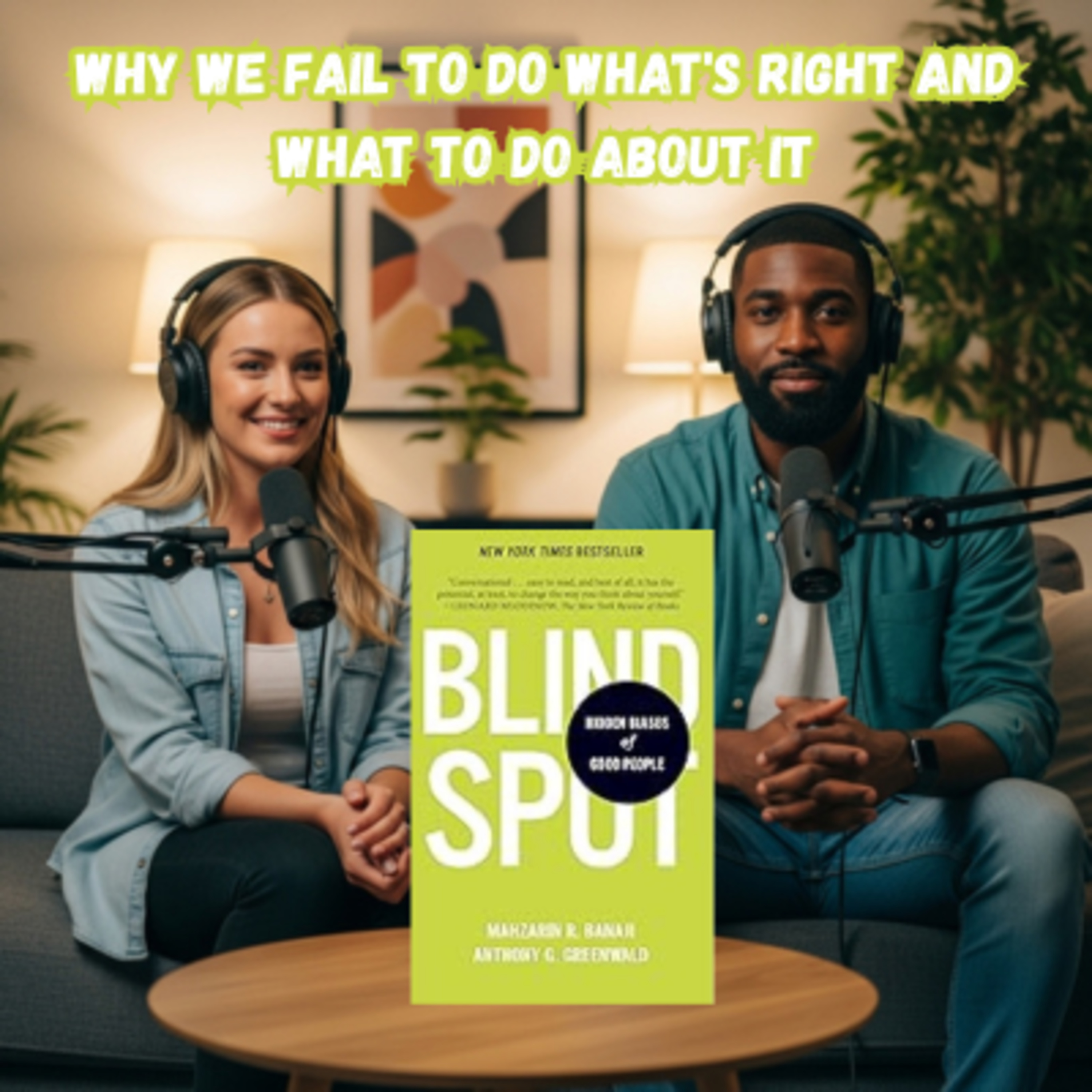
Why do good people unintentionally make bad decisions? In Blind Spots, leading business ethicists Max H. Bazerman and Ann E. Tenbrunsel uncover the hidden psychological forces that cause ordinary people to cross ethical lines without even realizing it.
In this episode, we explore the gap between our “should self” (the person we aspire to be) and our “want self” (the person who makes decisions in the moment). Through real-world tragedies—from Enron to the Ford Pinto to the Challenger disaster—we learn how ethical fading, shifting standards, and pressure-filled environments distort our judgment.
Most importantly, this episode offers practical strategies to strengthen your ethical awareness, resist blind spots, and create cultures where doing the right thing becomes the default, not the exception.
Because ethics isn’t about what you intend to do—it’s about what you actually choose to do.
#BlindSpots #MaxBazerman #AnnTenbrunsel #BookTunez #EthicalLeadership #BehavioralEthics #DecisionMaking #CorporateIntegrity #HumanPsychology #EthicalAwareness #MoralJudgment
Hey everyone, and welcome to this deep dive. We're going to be talking about something that I know you're all interested in how those hidden biases can actually mess with how we make ethical decisions. Yeah, it's super interesting, right? Something we all deal with. Yeah, for sure. Like, we all want to think they're good people, you know? But a lot of times our actions don't exactly line up with what we say we believe. Totally. We're using this awesome YouTube video today that breaks down this book, Blind Spots by Max H Bazerman and Annie 10 Brunsel.
Perfect. Yeah. So Are you ready to get into it? Absolutely. Let's dive in. OK, awesome. So like one of the big ideas in blind spots is this gap between what we intend to do and what we actually end up doing. It's like you tell yourself you're going to stick to your diet, right? And then bam, there's chocolate cake. Like, right there in your face. Oh yeah. I know that feeling. Yeah, and suddenly all those good intentions, just like, poof, they're gone. Exactly. And what blind spots it does is it goes deeper.
It explains why this happens. OK, so it's not just a willpower thing, not. Entirely no. It has to do with like, hidden biases we don't even realize are there, and external pressures, right? The stuff around us that pushes us in One Direction or another, and sometimes even just our environment itself can create these blind spots that lead us away from doing the right thing, even when we know better. OK, so let's like breakdown this whole gap thing a bit more. The video uses this example of finding a small accounting error at work.
Oh yeah, I remember that one. You know it's wrong, but to actually fix it, Such a pain. So easy to just be like La La la. I don't see anything. And that's precisely where the book's insights come in. OK, the authors, they're not just saying no right from wrong. It's more than. That it's about getting the psychology behind these decisions, like, why do we do things that we know deep down are wrong? For you listening, that means becoming aware of these blind spots is so important. Recognizing your own tendencies to slip up.
That's that's the first step to closing that gap between what you want to do and what you actually end up doing. OK, that makes sense. It makes me think about all those ethics training courses we've all had to sit through. Like, are those really enough to make us act ethically? You know what I mean? The ones that are just like rules and regulations galore. Totally. And that's a key take away from blind spots, Just knowing the rules, it doesn't magically make you an ethical person, especially when you're out in the real world and things get messy and complicated.
The authors really hammer home this point. Understand the psychology driving your choices. Don't just memorize some rule book. So it's not enough to know what's right and wrong. It's like you need to be ready, you know, emotionally and mentally for those tricky situations because they pop up when you least expect. It exactly. There's this concept in blind spots called bounded ethicality. Basically it says our ability to make good ethical choices. It's limited, limited by our own biases and that sneaky tendency to look out for ourselves first.
We're not always as rational as we think we are, and we might do things that are not ethical even though we know better. Oh, so even when we think we should do the right thing, there are these like, hidden forces pulling us in another direction. You got it. It's like we're driving but the steering wheel is kind of wonky. The video use that example of a team like ignoring all the rules to hit their targets. They know they shouldn't, but the pressure is on. Oh, I can see that happening for sure. And if we connect that to the big picture, it shows just how much our surroundings and the people around us shape how we act ethically.
Like peer pressure, Kind of. Exactly. There's this human need to fit in to go with the flow, and the research Blind Spots lays out is fascinating how strong that urge to conform is, even when we know the group's doing something shady. So every time we go along with something we know is wrong, even if it seems small, it's like we're chipping away at our own moral compass a little bit. 100%, yeah. And that's where it can get dangerous. You know, it becomes easier to justify those little compromises and then boom, down the line, we're making much bigger ethical blunders.
We get desensitized to doing wrong. That's a little unsettling to think about. You know, like, we all like to see ourselves as the good guy, but it seems like we're all capable of slipping up ethically sometimes. And that's where self deception comes in. We've got this knack for seeing ourselves in a positive light. Blind Spots digs into how that leads us to overlook our own ethical slip UPS, yet we're super quick to judge others for the same stuff. Oh, I've totally been there. Like I see someone taking off slides home and I'm like, what the heck, how could they?
But then I'll grab a few extra pens thinking, well, I deserve it. I work hard. Classic example? Yeah, Bazerman and 10 Brunsel call it ethical fading, that gradual lowering of our ethical standards, often without even realizing it. Justifying small unethical actions makes it way easier to justify bigger ones later on. It's like we're on this slippery slope and we don't even see it. Recisely makes. You think about your own life, you know, have I justified something that wasn't totally ethical? It's a good question for everyone listening to consider.
Oh absolutely. Blind spots really emphasizes self reflection. Like really looking at yourself. Being honest about those times when we haven't quite lived up to our own standards. It's not about beating ourselves up though, it's about being honest so we can do better. Right, right. Yeah. And sometimes it's not even our actions, it's what we see others doing, like seeing someone littering or a Co worker breaking the rules. Do you speak up or do you just like, look the other way? This is a big one.
Our blind spots really affect how we act here. It's way easier to just stay quiet, avoid the conflict, right? Yeah, but Blind Spots points out even if you don't agree with what's happening, staying silent can feel like you're OK with it. That you're. Going along with. It exactly makes you complicit. I know I've been in those situations where I wanted to say something but just couldn't. Looking back, I probably should have. It's a natural reaction, but remember saying nothing has consequences, too.
Blindspalls asks us to think about those times when we've witnessed unethical behavior and consider what we could have done differently. Like, should we have spoken up? Could we have addressed it without, like, blowing everything up? Exactly. So what can we do when we see something wrong, especially if it feels like it's none of our business? Key thing is you're not powerless. You have a voice. You have choices. OK, good point. You can choose to support companies that match your values. Speak up when something feels off, even if it's risky, and lead by example.
Be the ethical person you want to see in others. Taking action sounds crucial, but man, it sounds hard too. It can be, no doubt, but that's where understanding these blind spots helps. So if you can spot the things that make you stay quiet or look away, you can figure out ways to overcome them. Oh, I see. So it's recognizing those blind spots both in ourselves and in the like systems we're a part of. You got it. But what about those really big ethical issues? What if it's the whole organization that's doing something wrong?
Yeah, they can feel really overwhelming, right? We tend to trust organizations to do the right thing. You know, like if they have a code of ethics, they must be ethical. Right like that, saying all that glitters is not gold. A company can look good from the outside, but who knows what's happening behind closed doors? Exactly. And that gap between a company's stated values and their actual practices, that's a big focus in blind spots. It's not enough to just talk about ethics. They get a walk of the walk, you know.
Yeah, actions speak louder than words. Exactly. Create a culture where doing the right thing is rewarded and doing wrong is addressed. That makes sense, but what can one person do to change a whole organization? Feels like trying to plug a leak in a dam with a piece of tape. It's true, changing a big organization can be daunting, but even little actions can have a ripple effect. So it's not about feeling like you have to change the whole system yourself, right? It's more about focusing on what you can control, like how you act and who you influence.
Exactly, and sometimes those small actions can turn into big changes. How so? You might inspire somebody else to act, or you might bring attention to a problem that needs fixing. Don't underestimate your power to make a difference. OK, so we need to be aware of our biases, speak up when something's wrong, and lead by example even when the problems seem huge. But are there like any tools or specific strategies we can use to handle these ethical dilemmas? Something a little more, I don't know, concrete.
There are, and Blind Spots actually offers some great advice here. The authors use this analogy of a mirror, a compass in a map to describe these tools. Oh, I love a good analogy. Let's break those down. OK, so the mirror stands for self reflection. Oh, interesting. It's about taking a good hard look at yourself and being honest about your motives. Are you living according to your values? Are your biases clouding your judgment? So it's like looking in the mirror and asking am I being the person I want to be?
Do my actions match my values? Exactly. And then there's the compass, which represents seeking guidance. Okay, when you're facing a tough decision, it helps to talk to someone you trust. They can offer a different perspective or help you see things more clearly. Yeah, like a mentor, a friend, or maybe even a therapist. Right, Someone who can help you stay true to your own ethical compass. I like that and it reminds us we don't have to figure everything out alone. Exactly. OK, what about the map?
The map represents thinking about the consequences of your actions, like how will your choices affect you and others both now and in the future. So it's like planning a trip, right? You got to know where you're going and what you might run into along the way. Exactly. And Blind Spots reminds us that the most ethical choice isn't always the easiest or the most convenient. Sometimes doing the right thing means taking the harder path. This is all making so much sense. Good. But what about organizations?
How can they actually encourage ethical behavior, especially with all this stuff about blind spots and systemic issues we've been talking about? Organizations have a huge role to play. They need to build a culture that genuinely values ethical behavior. OK? And they got to give employees the support and tools they need to actually make good choices. So it's not enough to just have that code of ethics hanging on the wall. Nope, not at all. It's about actually living those values I use everyday. Right walks the walk.
Blind Spots really emphasizes the importance of going beyond just surface level stuff. Organizations need to provide training on ethical decision making, create ways for people to report concerns safely, and protect employees who do speak up. It sounds like a lot needs to happen to really address this issue of ethical blind spots, but I'm feeling more optimistic after talking about all this. Me too. It's easy to get discouraged by all the bad stuff happening, but remember, you're not powerless. We can all make a difference, even in small ways.
It's good to remember that change starts with each of us. By being more aware of our own blind spots, we can make better, more thoughtful choices. And those individual choices, when a lot of people make them, they can create real change in companies and even in society as a whole. Well, this has been a deep dive and I'm sure you, our listener, have a lot to think about. But before we wrap up this first part, I want to leave you with a question to consider. What's one small step you can take today to be more aware of your own blind spots?
It's great to be back and keep digging into this with you, yeah. For sure. We've been talking a lot about those ethical blind spots at work, right? But like, how does this all play out in our personal lives? Yeah. You know, with our friends and family. Oh, that's a good point. It's not like those blind spots just disappear when we clock out. They can affect every decision we make. Really. It makes you wonder, like, do we always treat our loved ones with the same respect and fairness that we, you know, expect from them?
It's not something we always want to think about, but blind spots really pushes us to look at our behavior, even in those close relationships. Yeah, it's easy to slip into those patterns. Yeah, you know, let things slide that we wouldn't tolerate from someone we weren't so close to. That's interesting. So maybe we hold strangers to a higher standard than we hold ourselves or our loved ones. Exactly. And that's where self-awareness comes in. Blind spots is all about asking those tough questions. Am I really living up to my own ethical standards, even with the people I'm closest to?
Because it's easy to, you know, cut corners with the people we love. Yeah, I get that. It's like ethics isn't just about those big dramatic choices. It's also about all the little decisions we make every single day with everyone. You got it. And what about our communities? Like, how do these ideas connect to, you know, the big picture, to all the issues we face as a society? You're right, there are so many huge problems out there. Poverty, inequality, climate change. It's easy to feel like what can one person even do?
Totally get that. But here's what's cool about what blind Spots helps us understand Those massive problems are actually made-up of millions and millions of individual choices. Every time we buy something, vote, or speak up about something we care about, we're making an ethical decision. So it's like recognizing that even our smallest actions can have a real impact, right? It's about taking responsibility for our choices and knowing that they, you know, create ripples. Exactly. And that's super empowering, don't you think?
I think we all have the power to contribute to positive change. We don't have to wait around for someone else to fix everything. We can start by looking at our own behavior and, you know, making changes where we. I love that it's about owning our ethical choices and realizing we can actually be a force for good in the world, even when things seem really tough. Yeah, and being willing to, you know, challenge things, like if you see something unjust or unfair, speak up. Stand up for what you believe in, even when it's hard.
Which it often is. Oh, absolutely. But Blind Spots is all about finding that courage to do the right thing, even when it's not the easy thing. Yeah, that takes guts for sure. Especially when you know you might face pushback. Going against the grain can be scary, it's true. Yeah, but real change, it really happens when everyone's just comfortable, you know, if you really want to live ethical lives, we got to be willing to step outside our comfort zones. Yeah, I think support is really important too, right?
Like we can't do this alone. You got it. We can learn from each other, share resources, and keep each other accountable. And that's where communities are so powerful. When we support each other's efforts to be more ethical, we can make a much bigger impact together. This is making me see ethical dilemmas everywhere I look. It's like I'm suddenly aware of all these choices I'm making every day. It's kind of crazy. That's a great sign. Means you're starting to see those blind spots we all have, and now that you're more aware of them, you'll be better equipped to handle those tricky situations that come up.
That's what we're going for, right? To be more aware, intentional and ethical in everything we do. That's the goal, and I think the more we talk about this stuff, the more we share our experiences and what we're learning, the better we'll all get at making those tough choices. Totally. It's like a constant journey of learning and growing and we're all in it together. Well said. And Speaking of journeys, we've covered a lot in Part 2 here. Before we jump into part three, I want to leave you with this thought.
We've been talking about personal responsibility and our choices and our relationships and communities, but what about all those systems and institutions that, you know, kind of shape our lives? How did they contribute to our blind spots and make it easier or harder to do the right thing? That's something to think about as we head into the final part of this deep dive. That's a really interesting question to think about as we, you know, wrap up this whole deep dive. It's easy to get focused on our own choices, right?
But we're also part of these bigger systems, right? Like institutions. And those things can influence us in ways we don't even realize. Totally. And blind spots doesn't just look at individual responsibility. OK, so it goes bigger than that. Yeah, it examines how systems themselves can either help or hurt ethical behavior. OK, so we're talking like corporate culture, government policies, even just like social norms. All of that, yeah. These are powerful forces, right? They can make it easier or harder to do the right thing even when we have the best intentions.
So you're saying like, if you work for a company that's all about profits and they they don't care about anything else, right? It's going to be really hard to speak up if you see something shady going on. Exactly. The system itself is basically saying don't rock the boat. It's like the system creates its own blind spots, making it tough to even see the ethical issues, let alone fix them. Perfect way to put it. And it's not just companies. Think about government policies. If our leaders are making decisions that are harmful or unfair, it's harder for us to, you know, live up to our own values as citizens.
Right. So these systems can put us in really tough situations, right? Where doing the right thing could mean going against the grain, maybe challenging authority, or even putting yourself at risk. Exactly, and that's why blind spots encourages us to think bigger than just our individual actions. It's about how can we change these systems to be better? But that can feel so overwhelming, Like how can one person change these huge complex systems? It's a good question, but remember, Blind Spots reminds us that systems are made by people.
Oh, right, And if people made them, people can change them. It might take time, it might be tough, but it can be done. So it's not about doing it all yourself. It's more like collective action, right? Working together to push for changes, holding our leaders accountable, and demanding more from the institutions that shape our lives. You got it. It's about recognizing that we have power collectively to make the world more just and ethical. And it starts with, like we've been saying, awareness, seeing those ethical blind spots both in ourselves and in the systems we're a part of.
Yeah. But it can't end there. Blind Spots is a call to action to use our voices, our votes, our power, you know, together to make a real difference. Wow, this has been quite a journey exploring this whole idea of ethical blind spots. We've seen how they affect us personally and our relationships at work and even in the bigger systems we live in. It's been great diving deep into this topic with you and for everyone listening. I hope this deep dive has given you some new insights and maybe sparked some ideas about how you can navigate these ethical challenges we all face.
Yeah, I've learned a lot. We talked about the psychology behind why we sometimes do things that go against our values. You know, we learned about the importance of looking inward, of asking for help, and how we can all work together to make the world more ethical place. And remember, being ethical, it's not like you reach the finish line and you're done. It's a constant process. Yeah, it's about awareness, being intentional and always trying to do what's right, even when it's really hard. Well, on that note, we want to thank you for joining us for this deep dive into the world of ethical blind spots.
It's fascinating stuff. We hope you'll keep exploring these ideas, challenge your own assumptions, and join us in making the world a little better, one ethical choice at a time.
 Apple Podcasts
 Castbox
 Castro
 Goodpods
 Moon FM
 Overcast
 Pocket Casts
 Podbean
 Podcast Addict
 Podcast Republic
 Spotify